Explore our industry-certified range of heavy-capacity transport vehicles, collaborative robotic systems, and high-performance stackers configured for immediate warehouse optimization.
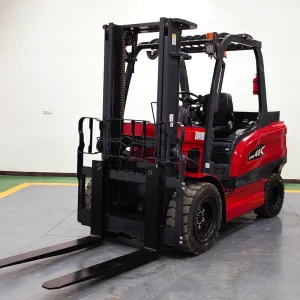
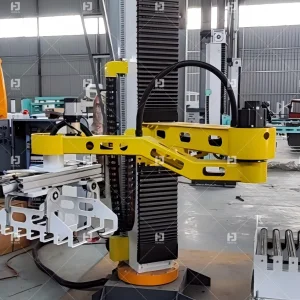
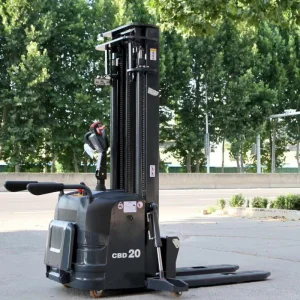
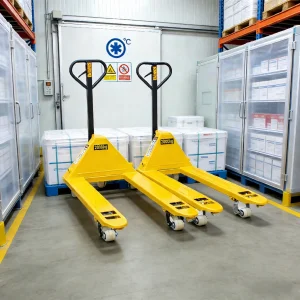
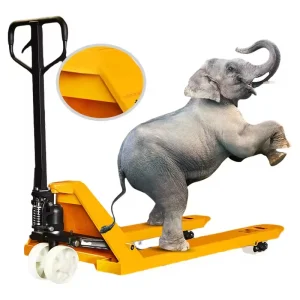
In the era of hyper-velocity commerce, logistics operations are challenged by an unprecedented influx of SKUs, labor constraints, and strict demands for rapid order fulfillment. Global industries are moving away from manual transport methods in favor of fully integrated Pallet Handling Systems. Modern warehouses function as dynamic ecosystems where efficiency is measured not just in speed, but in total spatial optimization, structural durability, and system uptime.
As primary suppliers and exporters, we recognize that a pallet handling system is the structural backbone of raw material intake, intra-facility transport, and outbound shipping. Industrial facilities in North America, Europe, Asia, and Latin America are facing severe labor shortages alongside rising health and safety regulatory costs. Implementing automated or ergonomically optimized manual machinery helps plants mitigate operational bottlenecks, dramatically lower damage rates of fragile goods, and secure 24/7 productivity pipelines.
From basic manual floor transport using high-capacity stainless steel hydraulic jacks to advanced laser-guided Autonomous Guided Vehicles (AGVs), the spectrum of solutions must scale with the maturity of your operation. Multi-axis robotic palletizers work in tandem with heavy-payload AMR shuttles, forming an automated system that handles variable product weight distributions with minimal human intervention.
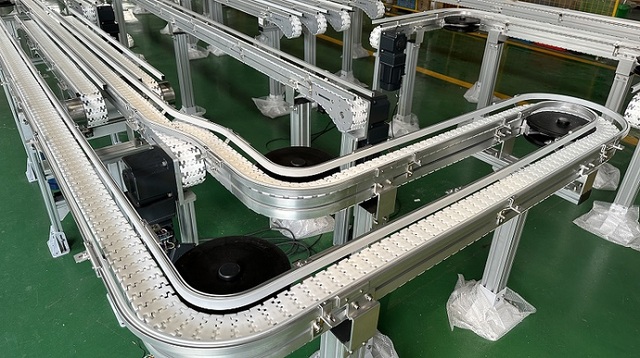
Shenzhen JK Logistics Co., Ltd. is a professional Warehouse Conveyor Systems Manufacturer specializing in material handling, sorting systems, and logistics automation solutions for modern warehouses, distribution centers, and industrial facilities. Based in Shenzhen, China, the company focuses on the development and production of intelligent automation equipment designed to improve operational efficiency, optimize material flow, and support the growing demands of global supply chains.
With extensive experience in warehouse and logistics automation, JK Logistics provides integrated solutions covering material handling systems, warehouse conveying equipment, automated sorting technologies, order fulfillment automation, pallet handling solutions, distribution center infrastructure, and smart logistics integration. These solutions are widely used in e-commerce fulfillment centers, retail distribution networks, third-party logistics operations, manufacturing facilities, and parcel processing hubs.
The company is committed to delivering reliable, scalable, and customized automation solutions that address the challenges of modern warehousing. Its engineering team collaborates closely with customers to analyze operational requirements, warehouse layouts, throughput objectives, and future expansion plans. By combining automation technology with practical logistics expertise, JK Logistics develops systems that improve productivity, reduce manual handling, enhance accuracy, and streamline warehouse operations.
Equipped with advanced manufacturing capabilities and comprehensive quality management processes, the company maintains strict standards throughout design, production, testing, and installation. Continuous investment in research and development enables JK Logistics to incorporate intelligent control technologies, data-driven automation, and flexible system integration into its solutions.
Serving customers across Asia, Europe, North America, South America, the Middle East, and other international markets, Shenzhen JK Logistics Co., Ltd. is dedicated to providing efficient warehouse conveyor systems and logistics automation solutions that help businesses improve operational performance, increase supply chain efficiency, and adapt to the evolving requirements of modern distribution and fulfillment environments.
Achieving warehouse efficiency requires aligning equipment specifications with task loads. Below is a breakdown of our key product classifications, engineered to address distinct operational demands.
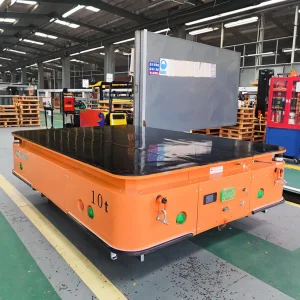
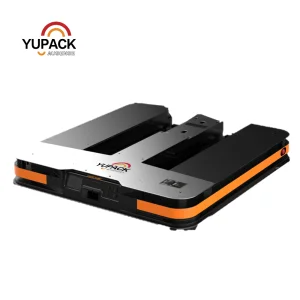
Equipped with advanced LiDAR and SLAM (Simultaneous Localization and Mapping) navigation, our autonomous units transport payloads ranging from 1,000 kg up to 20 tons. These self-navigating units integrate directly with Warehouse Management Systems (WMS) to automate horizontal routing and high-density racking movements without dedicated magnetic tape installations.
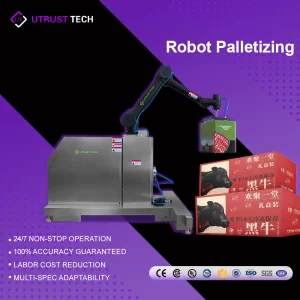
Utilizing multi-axis articulated robot arms and dual-station structures, our palletizing setups ensure continuous operation on processing lines. These systems handle complex layer configurations for chemicals, food, and heavy industrial products, adjusting dynamically to changing production rhythms.
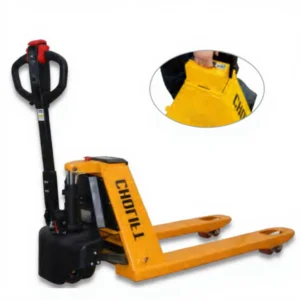
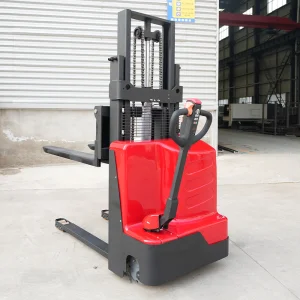
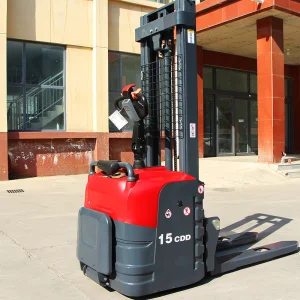
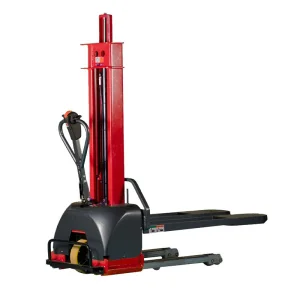
From manual hydraulic hand jacks to fully electric walkie stackers with lithium-ion power packs, we prioritize ergonomic design. These units reduce operator strain in narrow-aisle storage while delivering durable lifters capable of handling up to 5,000 kg.
Operating in international markets requires complying with strict local safety regulations and quality certification systems. Every mechanical loader, robotic conveyor, and manual stacker we export complies with relevant regional directives, including the **European Union CE Mark**, **ANSI/ITSDF standards for industrial trucks**, and **OSHA-compliant operator protective features**.
Our systems feature safety sensors, emergency shut-offs, and light curtains. In collaborative cobot areas, force-feedback sensors detect obstacles instantly, halting movement to protect human workers and prevent product damage.
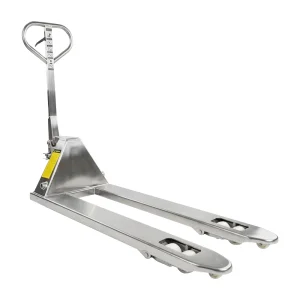
For chemical processing, pharmaceuticals, and food manufacturing, we provide specialized equipment, including explosion-proof configurations and 304/316-grade stainless steel manual and electric lifts that resist corrosion from washdown procedures.
Through partners and service engineers across North America, Europe, and Asia, JK Logistics provides installation supervision, system testing, component integration, and training programs to ensure smooth facility transitions.
As smart factories transition toward Industry 4.0, pallet handling systems are evolving from simple mechanical transport into intelligent, data-driven automation networks. Below is our R&D roadmap for implementing advanced warehousing solutions over the coming years.
Integrating WCS (Warehouse Control System) software to coordinate AGVs, AMRs, and robotic palletizers in real time. Systems communicate directly with processing zones to adjust transit paths, preventing traffic bottlenecks.
Phasing out traditional lead-acid batteries across all manual-electric models. High-capacity lithium-ion power packs offer rapid charging cycles, zero maintenance requirements, and lower energy usage per shift.
Equipping hydraulic actuators, multi-axis cobots, and automated conveyors with vibration and temperature sensors. Predictive algorithms analyze data to alert maintenance teams before hardware issues lead to downtime.
Explore our specialized industrial handling solutions, including narrow-aisle electric stackers, heavy-capacity AGVs, and chemical-grade stainless steel forklifts.
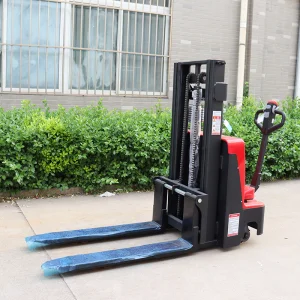
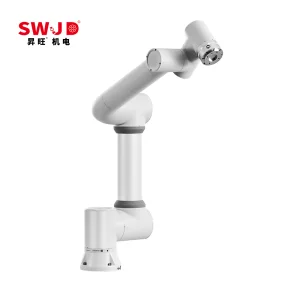
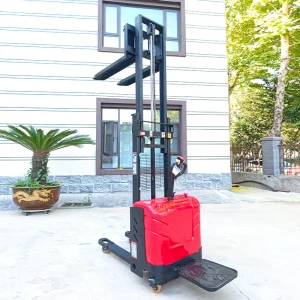
To assist procurement and logistics engineering teams in making informed decisions, our technical specialists answer key industry questions below:
Lithium-ion batteries offer significant advantages, including fast opportunity charging (which allows operators to recharge during breaks without losing performance), zero maintenance (eliminating the need for battery watering or dedicated charging rooms), and a longer cycle life (often lasting 3 to 4 times longer than lead-acid batteries). This transition helps reduce total cost of ownership (TCO) and minimizes equipment downtime.
Industrial facilities handling acids, saline solutions, or cleanroom operations use 304/316-grade stainless steel to prevent rust and corrosion. Unlike powder-coated steel, stainless steel survives harsh washdown procedures with corrosive sanitizers, maintaining structural integrity and meeting strict sanitary requirements for food and pharmaceutical applications.
SLAM (Simultaneous Localization and Mapping) navigation uses LiDAR and vision sensors to map your warehouse layout dynamically, allowing AGVs to navigate without magnetic tape or floor anchors. This makes it easy to modify routes using software. Wire-guided systems, conversely, require cutting tracks into the floor, which limits long-term layout flexibility.
Key factors to consider include your line output rate (typically measured in bags, boxes, or drums per minute), package weight variations, the types of pallets used, and the layout of your facility. A dual-station design allows for continuous stacking: while one station is being unloaded, the other continues palletizing, ensuring steady material flow on high-volume production lines.
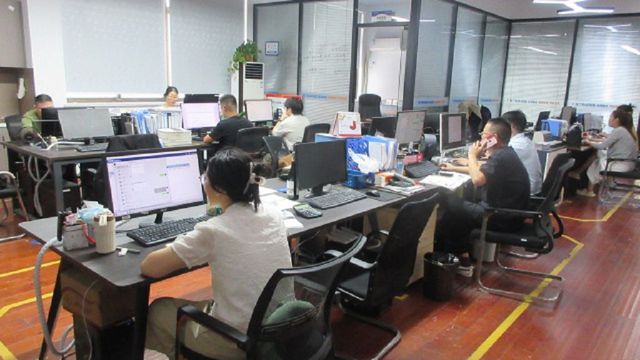
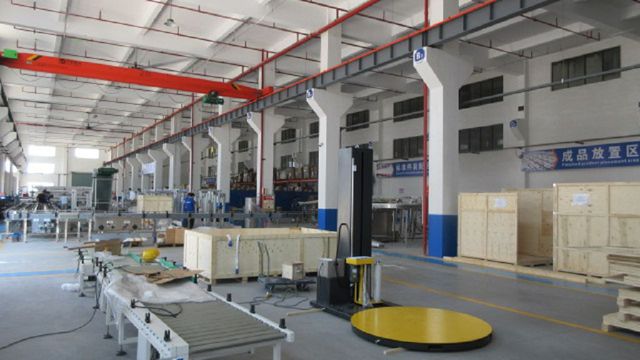
Shenzhen JK Logistics Co., Ltd. operates state-of-the-art production facilities, employing automated testing equipment, precision welding systems, and rigorous quality control protocols to ensure every pallet system meets strict international standards.

 JK Logistics