Explore our premium engineered machinery designed to minimize warehouse footprints while scaling material throughput and logistical agility.
In the current volatile global supply chain landscape, standard physical footprints are no longer adequate. Organizations require adaptive, scalable, and software-integrated structural solutions. As a premier provider of automated storage, Shenzhen JK Logistics Co., Ltd. stands as a globally verified professional Warehouse Conveyor Systems Manufacturer. Specialized in material handling, automated sorting mechanisms, and state-of-the-art logistics automation systems, we deliver turn-key configurations optimized for the fast-evolving demands of distribution centers, retail fulfillment hubs, and heavy-duty manufacturing environments.
SEO Value Insights: While traditional warehouse systems rely on manual operations, automated integration provides significant information gains by reducing tracking discrepancies to less than 0.01%, boosting retrieval speed by up to 400%, and minimizing physical real estate overhead by utilizing vertical space up to 40 meters high.
Strategically headquartered in Shenzhen, the silicon valley of hardware and global electronics, we deploy advanced engineering methodologies to build highly custom material handling setups. Our team partners directly with international businesses to formulate spatial and thermodynamic models of their environments, helping transform existing distribution bottlenecks into dynamic throughput runways.
Modern Automated Storage and Retrieval Systems (AS/RS) are complex ecosystems requiring high structural tolerances, sophisticated PLC control paths, and real-time execution layers. To clarify our technical trajectory, we present our core architectural roadmap below:
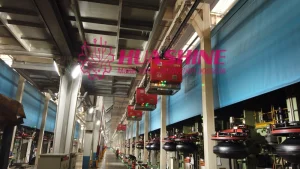
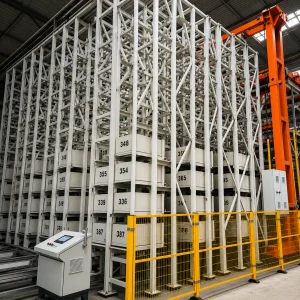
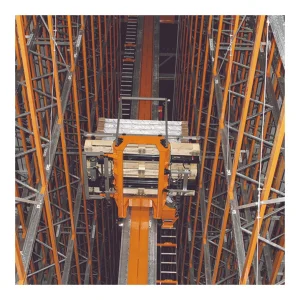
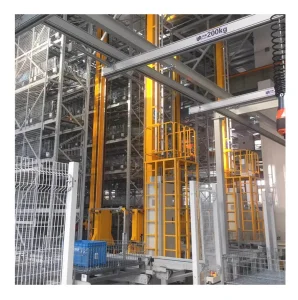
Deploying heavy-duty steel alloy racking structures treated with corrosion-resistant finishes. Systems include high-speed stacker cranes, 2-way and 4-way radio shuttles, Ring-Type Shuttle Systems (RGV), AGVs, and Overhead Electrified Monorail Systems (EMS).
The Warehouse Control System (WCS) acts as the nervous system, translating WMS operational targets into physical device PLC paths, optimizing vehicle scheduling, and resolving route conflicts dynamically.
Seamless API/SDK integration pipelines that connect physical storage machinery with systems like SAP, Oracle, Microsoft Dynamics, and proprietary enterprise software networks for instantaneous data synchronization.
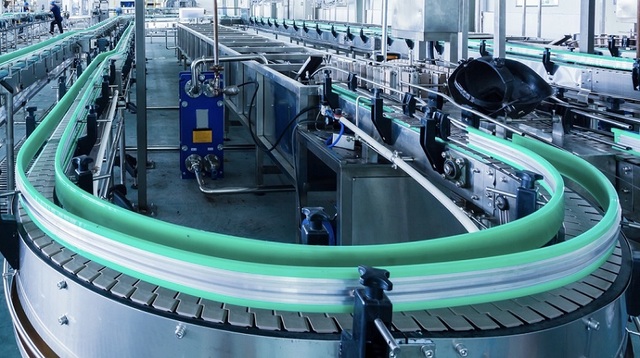
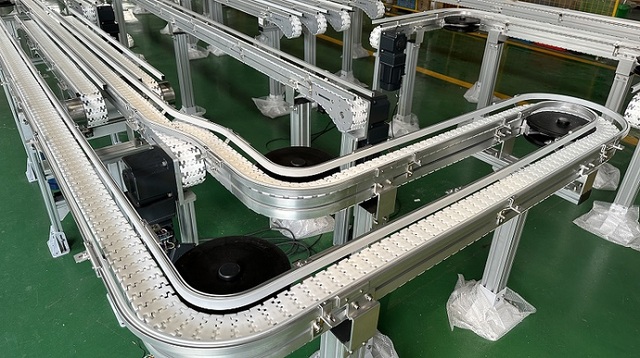
True logistics efficiency occurs when distinct automation modes function as a single unit. For instance, in our AS/RS Ring-type Shuttle System RGV + AGV + EMS package, the process begins when the Warehouse Management System issues a stock extraction request. High-velocity stacker cranes retrieve palletized cargo, placing it on ring-type shuttle tracks where autonomous RGVs convey items at speeds up to 200 m/min. For cross-docking or processing areas, automated guided vehicles (AGVs) navigate using laser-guided routing to transport materials to localized production stations without human intervention. Electrified Monorail Systems (EMS) handle high-elevation overhead transports, minimizing traffic conflicts on the warehouse floor.
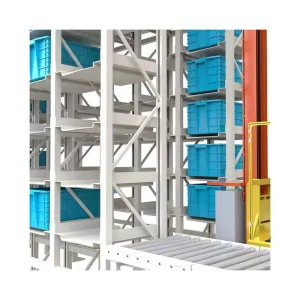
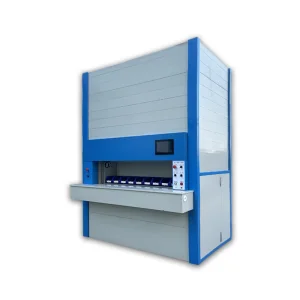
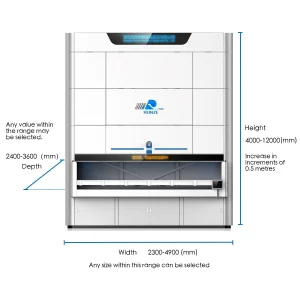
For small-parts picking, electronics components, and high-value tools, traditional racking is inefficient. Our Vertical Lift Modules (VLM) operate under the "Goods-to-Person" methodology. Incorporating intelligent vertical carousels and internal elevators, these cabinets measure vertical space availability dynamically and optimize tray placement. This eliminates wasted spatial headroom, reducing the storage footprint by up to 85% while dramatically enhancing picking speed and safety.
The transition from manual material handling to integrated AS/RS is driven by macroeconomic shifts across major industrial zones. In North America and Europe, rising labor costs and warehouse space constraints force companies to maximize vertical density. The growth of 24-hour e-commerce has made fast fulfillment a necessity rather than an advantage.
In developing logistics centers across South America and the Middle East, businesses are upgrading to smart warehouse management systems to support growing international trade. These systems rely on robust steel structures with corrosion-resistant finishes, IoT-enabled remote monitoring, and automated industrial storage cabinets capable of operating in extreme conditions.
Additionally, the growth of commercial and industrial renewable projects has created a demand for specialized storage solutions. This includes automated cabinets designed to safely house energy storage batteries and handle cleanroom components for advanced electronics manufacturing.
Shenzhen JK Logistics Co., Ltd. customizes automation solutions to meet the specific requirements of various target industries. Below are common configurations deployed across global sites:
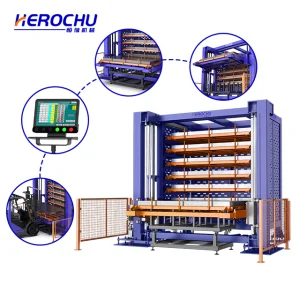
Laser cutting processes require a steady, automated supply of heavy sheet metal. Our Fully Automatic Sheet Metal Storage System ASRS offers heavy-duty vertical racking capable of storing multi-ton steel plates. Integrated stacker gantries automatically feed raw steel plates to laser cutters and retrieve finished sheets, improving safety and floor space utilization.
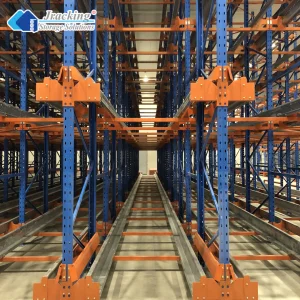
Operating in sub-zero environments requires specialized components that resist low-temperature embrittlement. Our radio shuttle racks utilize cold-resistant lubricants, special seals, and high-IP-rated electrical components, ensuring reliable operation down to -28°C.
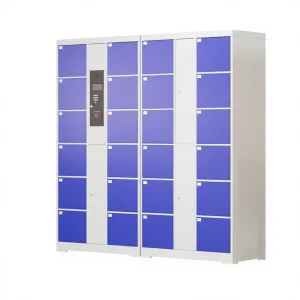
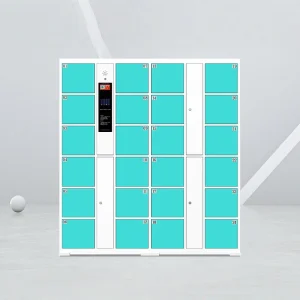
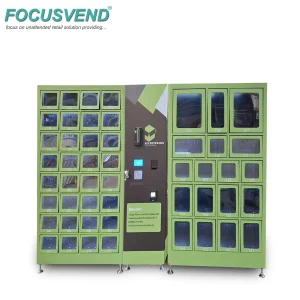
Modern smart cabinets require robust physical construction paired with flexible software interfaces. Our 24-Door Steel Electronic Automatic Storage Lockers feature modular control boards with API and SDK integration. This allows gyms, schools, and express delivery services to integrate our locker hardware directly with their custom member databases and mobile apps.
Modern logistics operations must balance high performance with energy efficiency and sustainability. Shenzhen JK Logistics Co., Ltd. incorporates eco-friendly technologies throughout its hardware and software platforms:
Our heavy-duty stacker cranes and RGV systems are equipped with energy recovery drives. When deceleration or vertical braking occurs, the kinetic energy is converted back into electrical power and returned to the facility grid, reducing overall energy consumption by up to 25%.
By placing IoT vibration, thermal, and current sensors on motor drives, shuttle gears, and lifting cables, our systems monitor machine health in real time. The software flags wear patterns before component failure occurs, allowing maintenance teams to address issues proactively. This reduces unplanned downtime and extends the service life of capital investments.
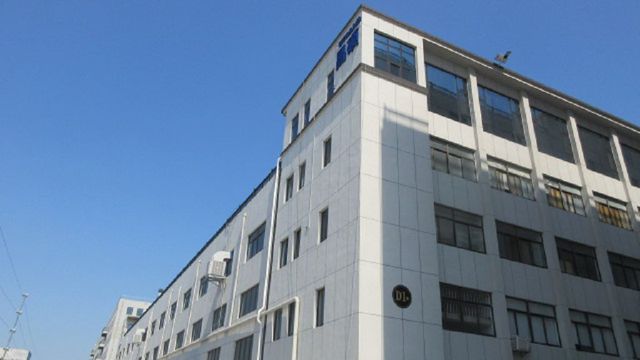
Purchasing automated logistics equipment from Shenzhen, China, provides distinct structural and economic advantages. As a primary logistics hub, our location allows us to leverage a dense network of raw material suppliers and high-precision electronics manufacturers. This enables fast customized engineering and competitive production lead times.
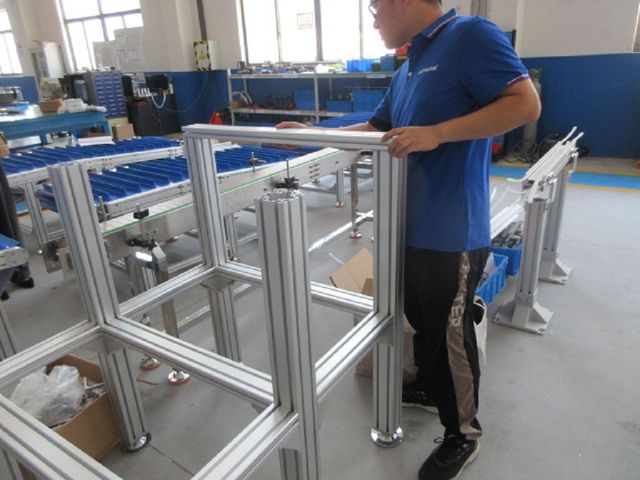
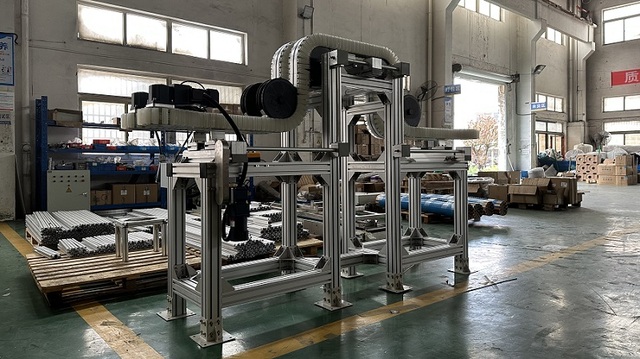
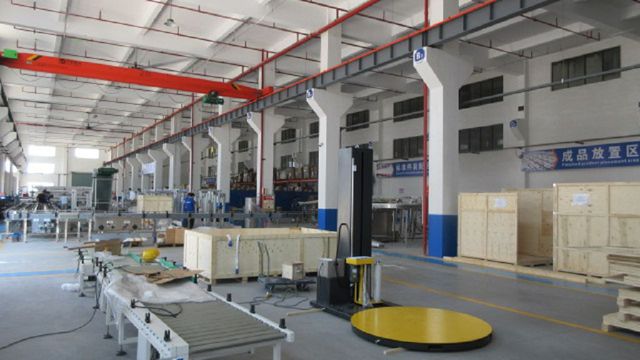
Our production facilities maintain strict quality control standards. Structural steel columns, support beams, and rail systems are manufactured using state-of-the-art welding, precision cutting, and automated coating processes. This ensures straightness and alignment tolerances within millimeters over 30-meter elevations—a critical factor for preventing shuttle wear and system downtime.
Safety and reliability are top priorities for high-density warehouse systems. Our engineering and design teams follow recognized international quality and safety protocols:
Get answers to common technical, design, and integration questions about our automated storage systems.
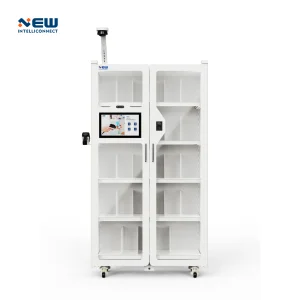
Explore our range of automated storage cabinets, vertical lift modules, and energy storage enclosures.

 JK Logistics