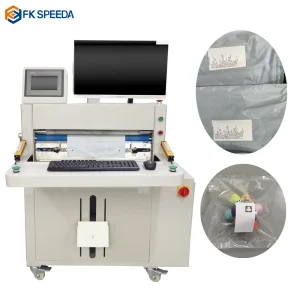
Order Fulfillment Automation Supplier & Exporter

Empowering global enterprises with high-throughput material handling, intelligent sorting systems, and next-generation smart warehousing solutions.

99.98%
Sorting Accuracy Rate
45,000/hr
Max Sorting Capacity
50+ Yr
Warehouse Infrastructure Lifespan
60%
Manual Labor Reduction

1. The Evolution of Global Supply Chain Automation & Order Fulfillment

In the modern retail, industrial, and digital landscape, order fulfillment automation is no longer a luxury—it is a baseline necessity. Driven by the exponential growth of multi-channel e-commerce, localized micro-fulfillment networks, and complex logistics chains, businesses are facing an unprecedented challenge: how to move more units per hour with fewer errors, less floor space, and declining labor availability. As a leading Order Fulfillment Automation Supplier & Exporter, Shenzhen JK Logistics Co., Ltd. is positioned at the intersection of hardware reliability and smart digital workflows.

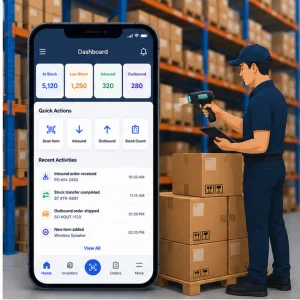
Today's modern distribution facility requires a holistic integration of hardware components (such as narrow-belt sorters, automated conveyor lines, and industrial palletizing robots) with intelligent software stacks (Warehouse Management Systems (WMS), Warehouse Control Systems (WCS), and Warehouse Execution Systems (WES)). By transitioning from traditional paper-based or semi-automated picking systems to full-scale automation, warehouses can handle volatile order volumes, seasonal peaks, and high-frequency parcel distribution seamlessly.

"The integration of intelligent control architectures like Programmable Logic Controllers (PLCs), high-speed sorting modules, and robust physical layouts forms the foundation of modern high-performance fulfillment networks."

Our solutions optimize the entire material lifecycle within a facility—from inbound reception and palletizing to automated sorting, vertical storage, dynamic picking, and final bagging/shipping. This whitepaper details the architectural layers of modern fulfillment systems, highlights the competitive manufacturing advantages of Chinese engineering, and provides actionable insights for global procurement teams seeking scalable supply chain upgrades.
2. Architectural Tech Modules in Smart Fulfillment

A deep dive into the technologies that drive high-throughput logistics, material handling, and smart sorting systems.

Dynamic Cross-Belt & Narrow Belt Sorting

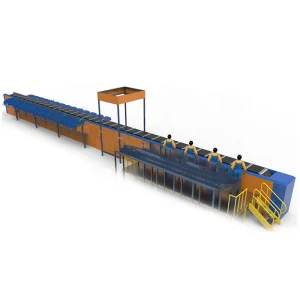
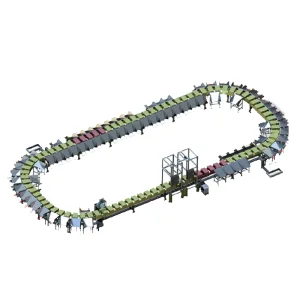
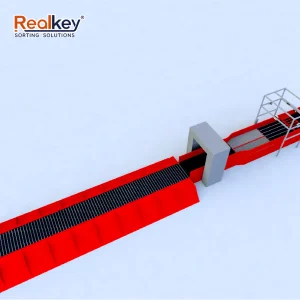
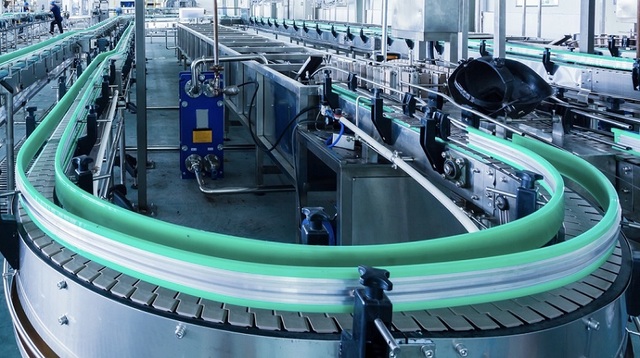
Utilizing high-speed motors and precision sensors, our sorting solutions (e.g., Narrow Belt Sorters and Truelisort systems) offer dynamic divert capability, high density layouts, and minimum product vibration for fragile items.

Vertical Sort Modules & 3D Put Walls

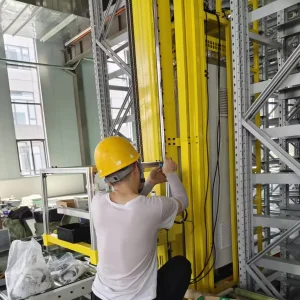
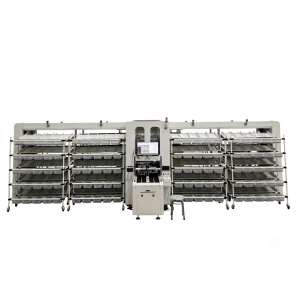
Maximized vertical space utility is achieved through high-speed Automatic Box Picking Modules (VBM) and 3D AGV-integrated Put Walls, optimizing layout footprints and lowering warehouse real estate costs.

Robotics & PLC Automation

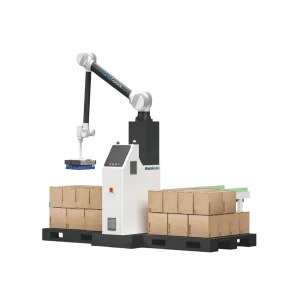
From robotic palletizers operating at high cycle rates to automated bagging machines and sorting lines driven by advanced PLC architectures, we design systems with high durability and minimum maintenance downtime.

3. The Competitive Edge of Chinese Factory Engineering: Shenzhen JK Logistics

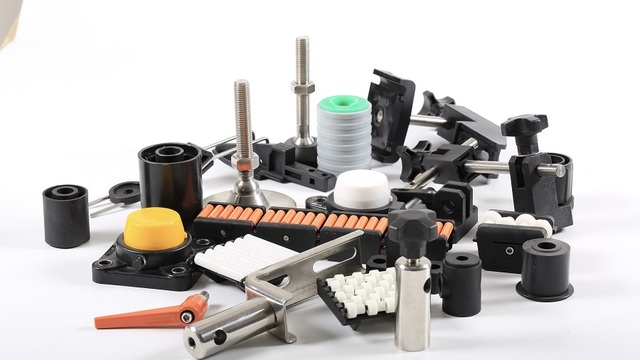
Shenzhen, often dubbed the hardware capital of the world, serves as the premier innovation and manufacturing cluster for logistics automation globally. Establishing manufacturing bases in Shenzhen allows companies like Shenzhen JK Logistics Co., Ltd. to leverage a highly complete component supply chain. From precision motors, rollers, and sensors to specialized structural metals and integrated circuit controls, every element of an automated conveyor or sorting system is sourced, assembled, and optimized in-house.

This localized supply chain provides unique advantages to global importers:

  • Agile Customization and Design R&D: Our specialized engineering teams customize layouts to match existing warehouse columns, floor space constraints, and high-throughput targets.
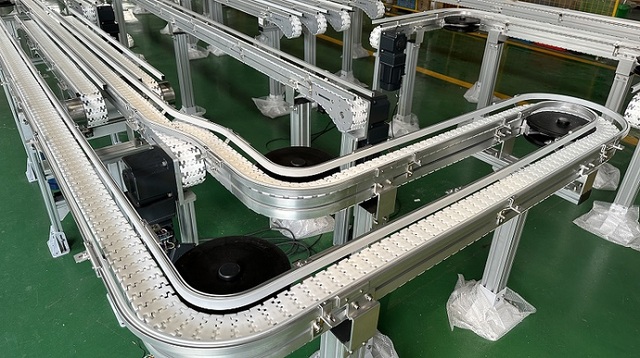
  • Strict Quality Controls & Testing Protocols: Every parcel handling machine, automated belt conveyor, and robotic unit undergoes load simulation, run-in tests, and software debugging prior to crating and export.
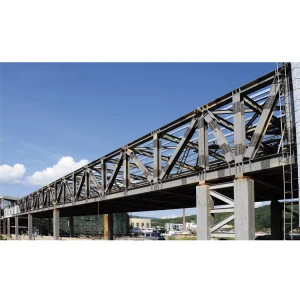
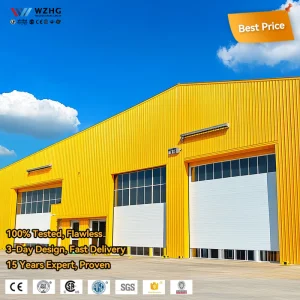
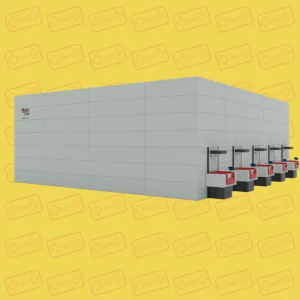
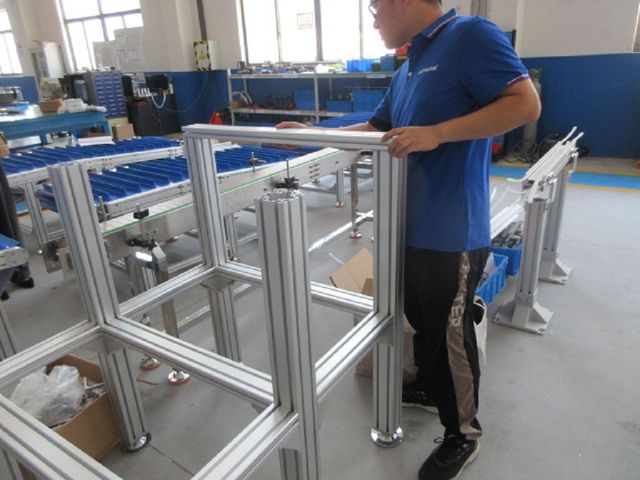
  • Integrated Structural and System Design: Our solutions cover not only the conveyor units but also the structural framework—including prefab steel warehouse structures with high wind load tolerances (up to 200 km/h) designed to support integrated high-speed sortation platforms.

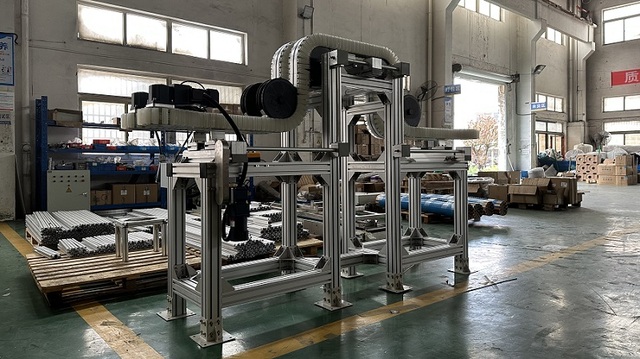
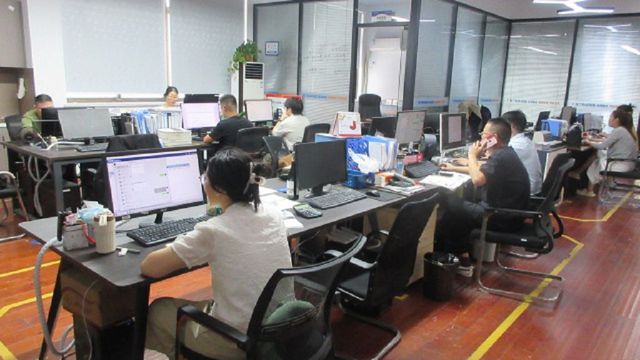
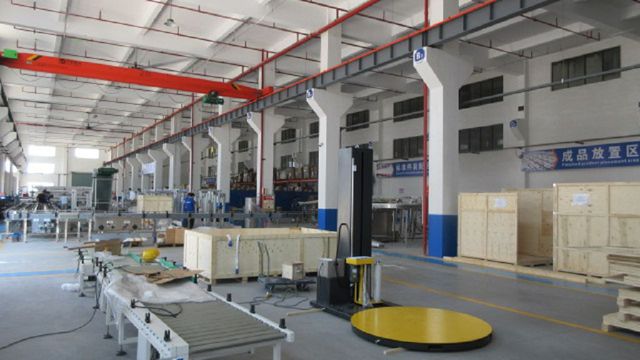
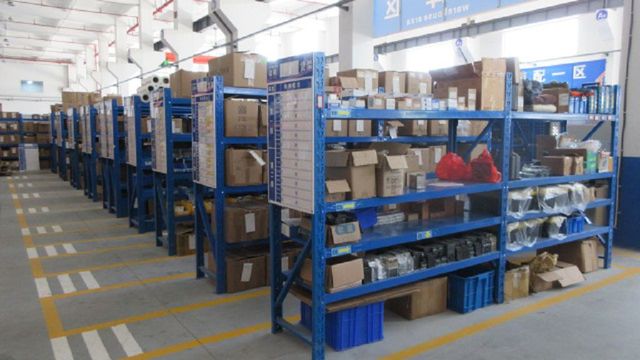
Our Factory Facilities & Engineering Capabilities

By blending robust structural manufacturing with highly intelligent control software, Shenzhen JK Logistics Co., Ltd. does not simply export machines; we deploy turnkey industrial productivity. Our systems are operational in key markets across North America, South America, Europe, Asia, and the Middle East.

4. Macro Solutions: Adapting Automation to Diverse Global Markets

A single approach to automation does not fit every business case. Global industries demand specialized configurations based on their throughput profile, average SKU dimension, parcel fragility, and software ecosystems. Below are three primary macro industrial solutions engineered to solve specific regional and vertical pain points:

Industry Vertical Core Challenge Solved Recommended Automated Hardware Software & Control Strategy
High-Volume E-Commerce & Dropshipping Extreme daily order volatility, zero inventory pipelines, complex multi-SKU picking, speed of dispatch. High-speed dynamic cross-belt sorters, automated baggers, AGV-driven 3D put walls. Real-time integration with Shopify, WooCommerce, ERP (SAP, Oracle) via advanced API middleware.
Cold Chain & Pharmaceuticals Temperature-controlled environments, strict FIFO rotation, fragile packing requirements. Corrosion-resistant steel conveyors, automated tray sorters, robust pick-and-pack modules. Environmental sensor monitoring integration with WCS, traceability logs.
Heavy Manufacturing & Cross-Dock Distribution High-weight pallet manipulation, safe high-speed transport, container packing & palletizing. Robotic palletizers, heavy-duty roller conveyors, chain transfers, automated workshop cranes. High-density PLC control (Siemens/Mitsubishi) with integrated safety guard networks.

Macro Scenario Focus: E-Commerce Cross-Docking & Drop-Shipping

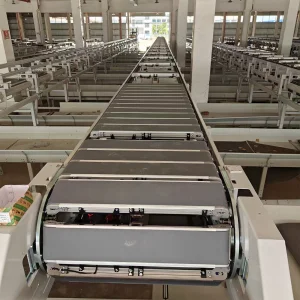
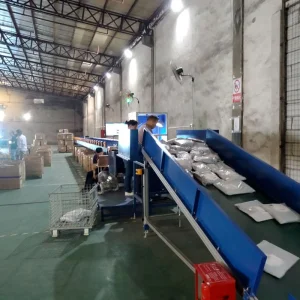
In high-speed logistics networks, order cycle times are measured in minutes. When an order is generated via a platform like Shopify or a dropshipping agent network, the automated system must identify the location of the inventory, dispatch picking instructions, direct the item through weighing and data recording (such as our Data Weighing System Automated Belt Conveyor), execute sortation to the correct courier bin, and pack the item. Our automated bagger systems and VAP parcel handling setups reduce manual verification steps, ensuring that items exit the warehouse door on the same day the transaction is processed.

5. Global Procurement Guide: Key Considerations for Importers & Integration Engineers

Purchasing warehouse automation equipment from international suppliers requires comprehensive planning. Global procurement teams must balance initial capital expenditure (CAPEX) with long-term operational efficiency (OPEX), focusing on five critical verification vectors:

  1. Electrical and Mechanical Compliance: Different jurisdictions require specific local certifications. All imported equipment should carry CE, UL, or FCC markings, ensuring that internal control components, motors, and wiring conform to industrial safety standards in the target country.
  2. Interoperability and Software Protocols: Modern warehouses operate under multi-vendor environments. Ensure that the WCS/WES integrated into your new automated sorter communicates using standardized industrial protocols like Modbus, OPC UA, or REST APIs. This allows your legacy ERP to query real-time data seamlessly.
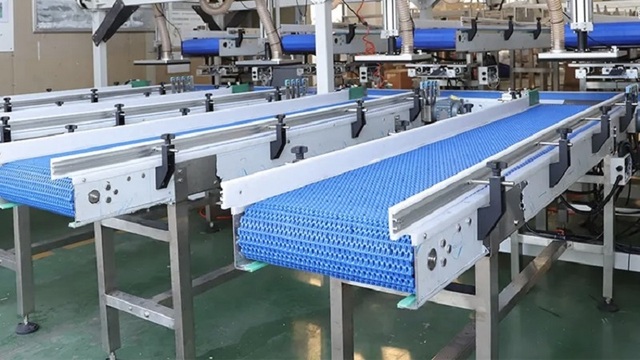
  3. Modular Scalability: Your business will grow. Choosing a system designed with modular frame designs—such as our narrow belt cross sorting configurations—means you can extend conveyor lines, add divert chutes, or introduce additional AGVs without scrapping existing infrastructure.
  4. Post-Sales Technical Support: The biggest risk of overseas procurement is downtime. Work with exporters that offer remote cloud diagnostic support, hot-swappable components, and localized spare part hubs to secure continuous performance.

At Shenzhen JK Logistics Co., Ltd., our engineering process begins with layout collaboration. We work directly with client-side logistics managers, importing CAD models of their buildings to simulate flow layouts, conveyor throughput, and safety clearances before structural components are manufactured.

6. Answers to Crucial Logistics Engineering Questions (FAQ)

Read detailed technological answers prepared by our senior systems integration team regarding order fulfillment automation.

Q1: What is the main structural advantage of a narrow belt sorter compared to a traditional cross-belt sorter?
A narrow belt sorter uses parallel narrow belts to carry products, diverting them dynamically using popping wheels or shifting mechanisms. This design allows for a much smaller physical footprint, lower energy consumption, and simplified mechanical maintenance. Traditional cross-belt sorters offer higher speed capability but require more space, a larger mechanical structure, and a higher initial investment.
Q2: How does the software integration work between the automated conveyor and our warehouse ERP?
Our systems utilize an intermediate Warehouse Control System (WCS) layer. The WCS communicates directly with the PLC level via industrial protocols (such as Modbus TCP or PROFINET) to command hardware movements. Simultaneously, it connects upward to your enterprise resource planning (ERP) or Warehouse Management System (WMS) using RESTful APIs, JSON database queries, or WebSockets to report real-time packet tracking, scanning data, and processing rates.
Q3: Can your automated sorting and storage systems handle cold chain operations?
Yes. We engineer customized warehouse solutions rated for cold storage environments (down to -25°C). This involves using low-temperature rated lubricants, specialized sensors with condensation prevention, anti-freeze cables, and corrosion-resistant hot-dip galvanized or stainless steel structures to prevent rust and failure in high-humidity cooling chambers.
Q4: What is the average lifespan and operational wind load rating of your prefab steel structure warehouses?
Our prefab steel warehouses designed for housing large automation equipment are built with high-tensile structural steel profiles. They feature a design lifespan of 50+ years and are engineered to withstand extreme environmental wind loads of up to 200 km/h, securing your automated logistics investments in typhoon-prone and coastal zones.
Q5: What is the role of a Vertical Box Picking Module (VBM) in small parcel processing?
The Vertical Box Picking Module (VBM) is designed for dense storage and automated retrieval of totes, bins, and small cardboard boxes. It functions as a compact automated storage and retrieval system (AS/RS) that vertically moves items to picking stations, drastically reducing the travel time of warehouse staff and optimizing vertical storage volume in compact distribution centers.

About Shenzhen JK Logistics Co., Ltd.

Shenzhen JK Logistics Co., Ltd. is a professional Warehouse Conveyor Systems Manufacturer specializing in material handling, sorting systems, and logistics automation solutions for modern warehouses, distribution centers, and industrial facilities. Based in Shenzhen, China, the company focuses on the development and production of intelligent automation equipment designed to improve operational efficiency, optimize material flow, and support the growing demands of global supply chains.

With extensive experience in warehouse and logistics automation, JK Logistics provides integrated solutions covering material handling systems, warehouse conveying equipment, automated sorting technologies, order fulfillment automation, pallet handling solutions, distribution center infrastructure, and smart logistics integration. These solutions are widely used in e-commerce fulfillment centers, retail distribution networks, third-party logistics operations, manufacturing facilities, and parcel processing hubs.

The company is committed to delivering reliable, scalable, and customized automation solutions that address the challenges of modern warehousing. Its engineering team collaborates closely with customers to analyze operational requirements, warehouse layouts, throughput objectives, and future expansion plans. By combining automation technology with practical logistics expertise, JK Logistics develops systems that improve productivity, reduce manual handling, enhance accuracy, and streamline warehouse operations.

Equipped with advanced manufacturing capabilities and comprehensive quality management processes, the company maintains strict standards throughout design, production, testing, and installation. Continuous investment in research and development enables JK Logistics to incorporate intelligent control technologies, data-driven automation, and flexible system integration into its solutions.

Serving customers across Asia, Europe, North America, South America, the Middle East, and other international markets, Shenzhen JK Logistics Co., Ltd. is dedicated to providing efficient warehouse conveyor systems and logistics automation solutions that help businesses improve operational performance, increase supply chain efficiency, and adapt to the evolving requirements of modern distribution and fulfillment environments.

All Order Fulfillment Automation Products