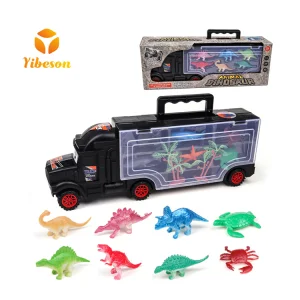
Analyzing how structural cardboard packaging, automated material handling, and smart vehicle integration combine to optimize downstream supply chains.
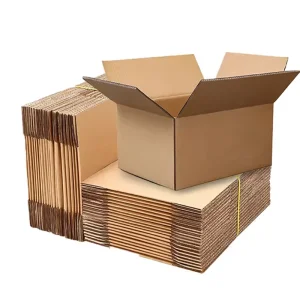
High-grade corrugated fiberboard cartons act as the foundational cargo carrier. From Edge Crush Test (ECT) ratings to structural design (RSC, DST, Folder type), specialized package engineering ensures safety during high-acceleration sorting and high-density pallet stack setups.
Modern distribution warehouses rely on automation. The bottom surface roughness and coefficient of friction of carton transport packaging directly dictate sorting machine efficiency, preventing slippage on inclined belt segments and roller paths.
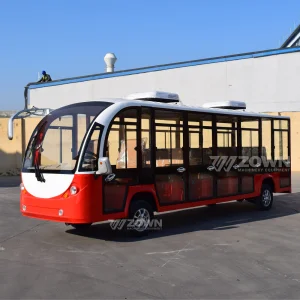
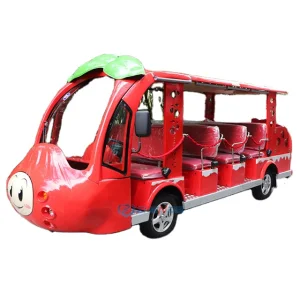
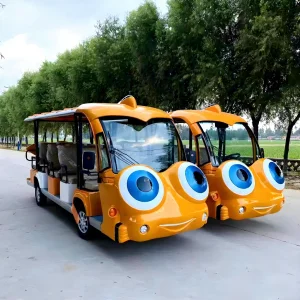
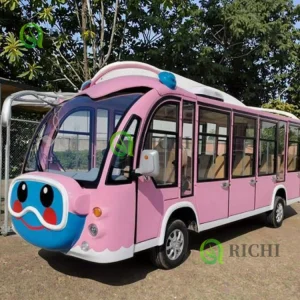
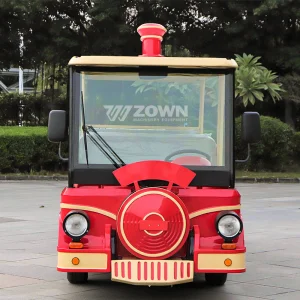
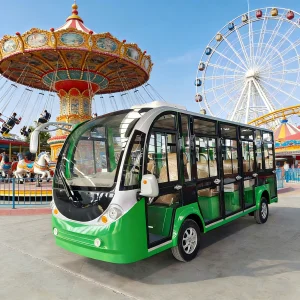
At the micro-level of resorts, large campuses, zoos, or major manufacturing plants, "transportation" extends to custom utility shuttles, site-specific cartoon shuttle buses, and specialized mini boarding carriers ensuring fast transfer of guests and gear alike.
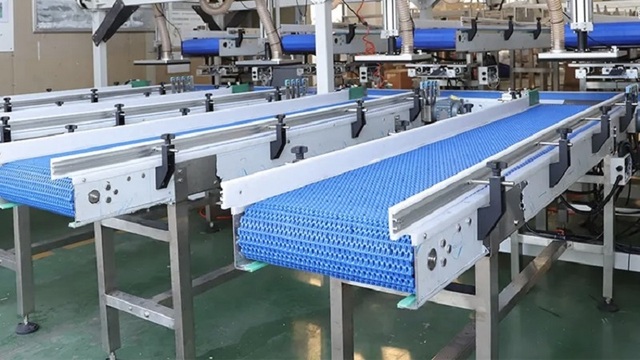
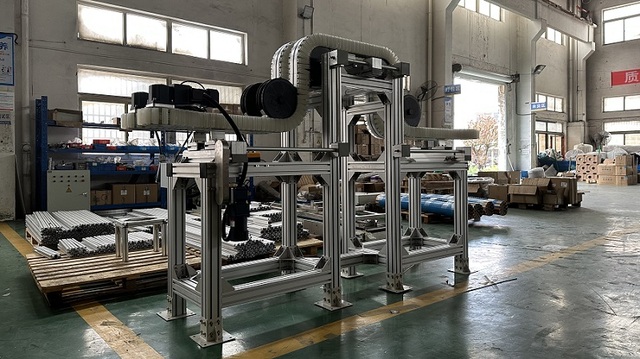
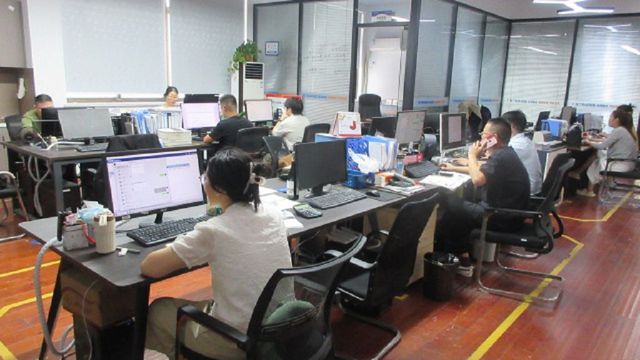
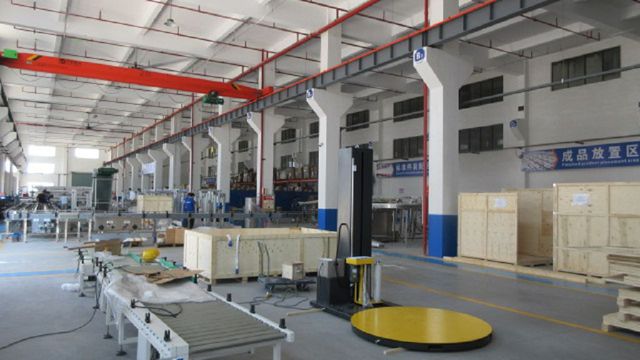
Shenzhen JK Logistics Co., Ltd. is a professional Warehouse Conveyor Systems Manufacturer specializing in material handling, sorting systems, and logistics automation solutions for modern warehouses, distribution centers, and industrial facilities. Based in Shenzhen, China, the company focuses on the development and production of intelligent automation equipment designed to improve operational efficiency, optimize material flow, and support the growing demands of global supply chains.
With extensive experience in warehouse and logistics automation, JK Logistics provides integrated solutions covering material handling systems, warehouse conveying equipment, automated sorting technologies, order fulfillment automation, pallet handling solutions, distribution center infrastructure, and smart logistics integration. These solutions are widely used in e-commerce fulfillment centers, retail distribution networks, third-party logistics operations, manufacturing facilities, and parcel processing hubs.
"The convergence of industrial robotics, real-time sensing, and rugged structural cartons forms the backbone of modern smart distribution. At JK Logistics, we engineer the physical conveyor pipelines that make global trade seamless."
The company is committed to delivering reliable, scalable, and customized automation solutions that address the challenges of modern warehousing. Its engineering team collaborates closely with customers to analyze operational requirements, warehouse layouts, throughput objectives, and future expansion plans. By combining automation technology with practical logistics expertise, JK Logistics develops systems that improve productivity, reduce manual handling, enhance accuracy, and streamline warehouse operations.
Equipped with advanced manufacturing capabilities and comprehensive quality management processes, the company maintains strict standards throughout design, production, testing, and installation. Continuous investment in research and development enables JK Logistics to incorporate intelligent control technologies, data-driven automation, and flexible system integration into its solutions.
Serving customers across Asia, Europe, North America, South America, the Middle East, and other international markets, Shenzhen JK Logistics Co., Ltd. is dedicated to providing efficient warehouse conveyor systems and logistics automation solutions that help businesses improve operational performance, increase supply chain efficiency, and adapt to the evolving requirements of modern distribution and fulfillment environments.
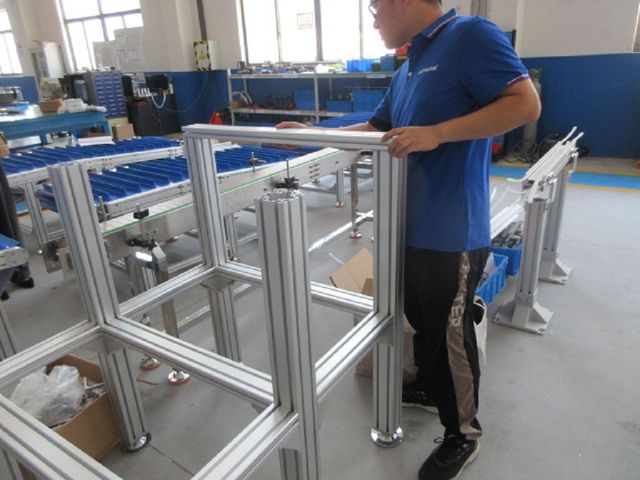
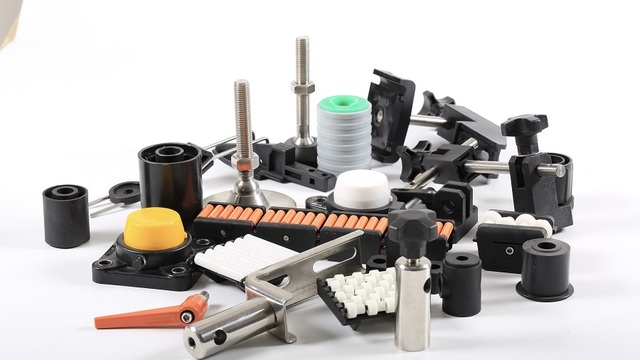
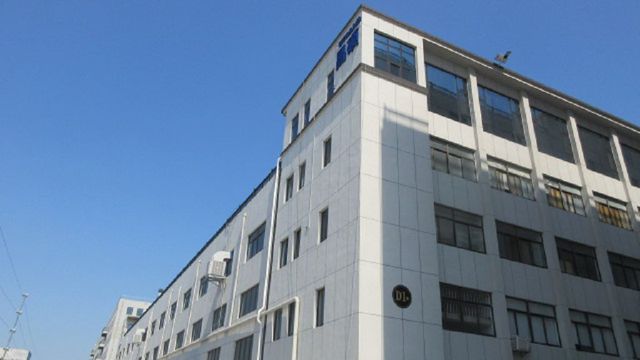
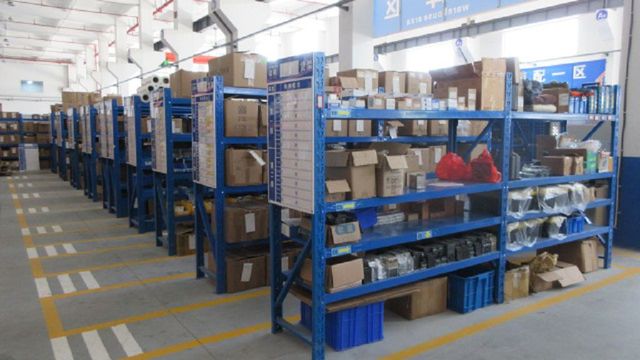
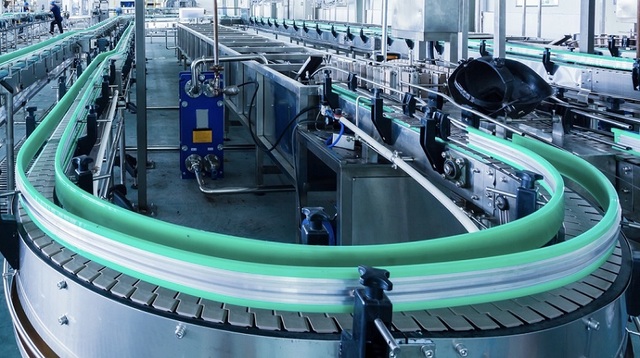
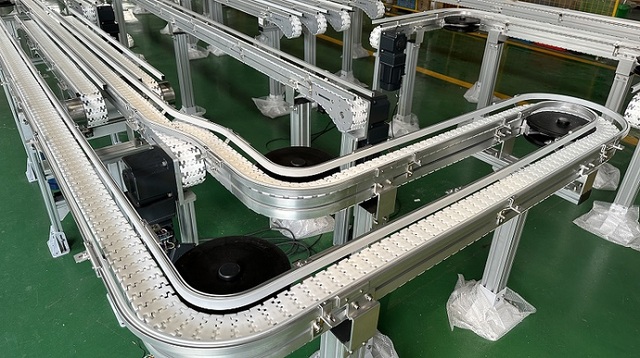
Why global supply chain leaders leverage Chinese industrial clusters for raw cardboard production, conveyor hardware fabrication, and intelligent control software development.
Southern China, particularly the Greater Bay Area surrounding Shenzhen, acts as a mega-hub for both heavy conveyor machinery and micro-packaging electronics. From precision-machined steel rollers to PLC microcontrollers and custom chemical-treated linerboards, every component of a carton transport project is sourced locally, radically cutting lead times.
Chinese engineering firms excel at rapid prototyping. Whether customized corrugated mailing boxes with cloud-pink digital printing layouts, or specialty sightseeing shuttles, designs are quickly translated into CAD files, stress-tested using FEA (Finite Element Analysis) software, and finalized in record time.
Top-tier Chinese factories build machinery in strict alignment with CE directives, OSHA guidelines, and ISO 9001 quality frameworks. Cardboard packaging conforms to international drop-test norms (ASTM D5276) and Edge Crush Test values (TAPPI T 811), assuring flawless acceptance worldwide.
Translating automated conveying and custom structural packaging into real-world industry applications.
E-commerce giants require rapid processing of millions of variable-dimension boxes. Standardized carton transport platforms use high-speed belt conveyors coupled with optical volume scanners and dynamic checkweighers to calculate real-time volumetric weight, dispatching parcels to designated sorting bins in under 2 seconds.
Moisture is the enemy of cardboard carton strength. Under cold storage environments, carton transport solutions dictate the use of wax-coated or polymer-infused corrugated board coupled with stainless-steel corrosion-resistant gravity roller systems. This layout ensures structural rigidity and system lifespan under high-humidity conditions.
Within large-scale commercial zones, resort clusters, and safari parks, standard transportation demands a blend of public electric shuttles and passenger cartoon-style city buses. These solutions deliver eco-friendly, zero-emission mass transit with highly recognizable themes, enhancing guest satisfaction and operational efficiency.
Key technical criteria, quality metrics, and performance standards to evaluate when auditing carton transport and conveyor manufacturers.
Verify that steel frame thicknesses for roller beds meet load expectations (minimum 3mm thick structural steel sheet). Roller bearings should be precision-ground, double-sealed ball bearings rated for at least 50,000 operational hours under full load. Look for premium polyurethane conveyor belt compounds to reduce wear and friction.
Automated sorting lines must run on standardized PLC architectures (such as Siemens S7, Allen-Bradley, or Mitsubishi) to enable easy local maintenance. The system must support industry-standard interfaces like Modbus TCP/IP, EtherNet/IP, or Profinet to integrate seamlessly with existing Warehouse Management Systems (WMS).
For raw packaging material procurement, check the Mullen Bursting Test ratings (expressed in kPa or PSI) alongside the Edge Crush Test (ECT) values. Ensure corrugated structures use starch-based adhesives containing water-resistance additives to withstand long transit cycles in maritime cargo containers.
How AI, advanced sensor integration, and sustainable materials are reshaping global distribution chains.
By using vibration sensors on conveyor drive motors and rollers, deep learning algorithms can predict component failures before a breakdown occurs, saving operators thousands of dollars in unscheduled downtime. Vision AI systems can automatically identify torn or misshapen cartons on the line, diverting them to manual inspection tables instantly.
Zero-waste corporate mandates are driving the shift toward 100% recyclable, bio-degradable corrugated fiberboards printed with organic soy-based inks. Closed-loop logistic systems are increasingly tracking and reusing heavy-duty structural carton mailing formats over multiple distribution loops.
The boundary between static conveyor belts and mobile robotics is blurring. Automated guided vehicles (AGVs) and AMRs are interfacing directly with conveyor output stations. These autonomous units load, transport, and stack pallets of sorted cartons inside the warehouse without human intervention, boosting facility flexibility.
Addressing the core technical, logistical, and commercial inquiries regarding Carton Transport Solutions.
 JK Logistics