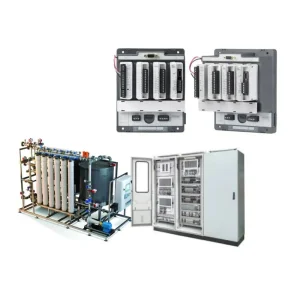
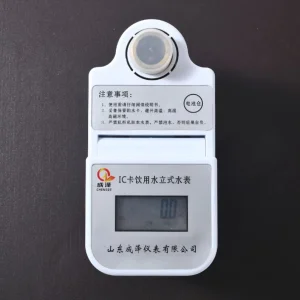
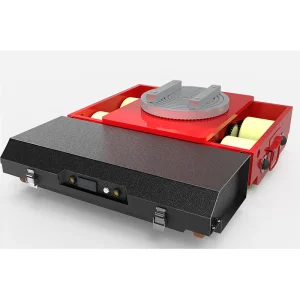
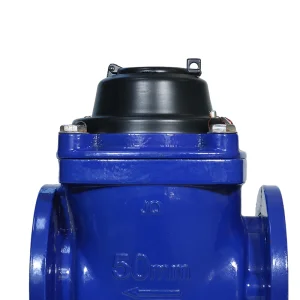
Explore our state-of-the-art telemetry instrumentation and bulk conveyance equipment engineered to run factory automation continuously and reliably.
In the contemporary industrial ecosystem, the line separating discrete logistics automation from process flow metrics has dissolved. Today's manufacturing enterprise must treat raw inputs, auxiliary fluids, bulk solids, finished goods, and packaging workflows not as isolated steps, but as a singular, unified material continuum. An integrated Material Flow Management System (MFMS) operates as the brain of this environment, coordinating movements between production cells, sorting hubs, and distribution vehicles while monitoring auxiliary resources such as gas, fuel, and water supplies.
As globally structured factories transition to Industry 4.0 paradigms, the role of a material flow manager or conveyor systems supplier expands. It is no longer sufficient to provide modular conveyors or stand-alone sensors. Modern operations require a complex synergy of cyber-physical machinery, Programmable Logic Controllers (PLCs), high-precision telemetry interfaces, and robust mechanical structures. These systems guarantee that materials—whether they are metric tons of bulk ore, high-velocity consumer goods, or process fluids—arrive at the exact right coordinate, in the correct quantity, and at the perfect time.
"True efficiency in a smart factory is not achieved by speeding up individual processes, but by eliminating latency and buffer variations between operations. Integrating discrete handling automation with inline resource monitoring is the cornerstone of contemporary throughput optimization."
Global industrial hubs are currently experiencing an unprecedented transformation driven by resource scarcity, surging labor costs, and the need for hyper-customized manufacturing (often referred to as mass customization). To maintain profitability, manufacturers are deploying multi-layered material flow environments where physical systems talk directly to execution layers. The key trends driving this revolution include:
Deploying sensors directly connected via LoRaWAN, Wi-Fi, or 5G allows real-time telemetry on material levels, fluid flow, and hardware status, bridging the physical-digital divide.
Modern conveyor controls run dynamic routing algorithms, automatically diverting goods based on real-time station workloads, preventing bottlenecks before they form.
By monitoring industrial water consumption, biogas flow, and natural gas usage, manufacturers decrease costs and ensure alignment with strict global ESG standards.
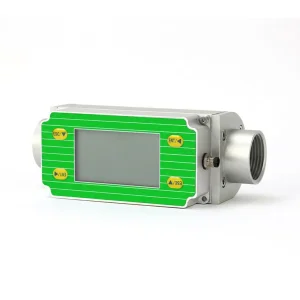
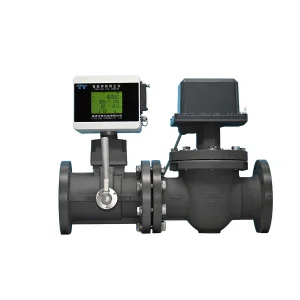
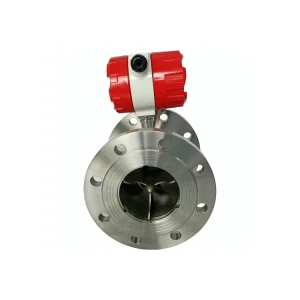
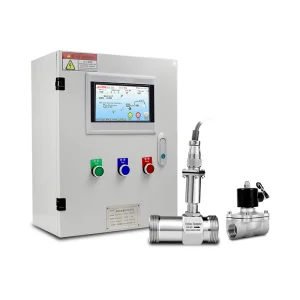
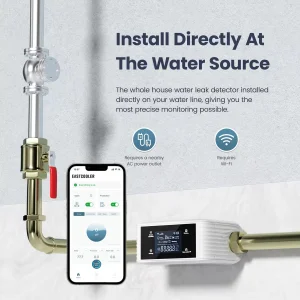
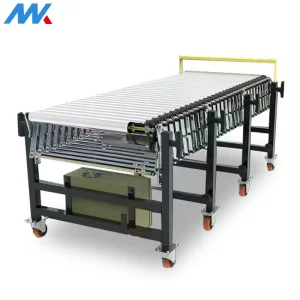
As dynamic factory automation develops, physical structures like automated roller conveyors and robotic palletizers must work in tandem with precise flow measurement systems. For example, in automated chemical processing or material extraction plants, measuring the physical weight of bulk materials on a belt is only half the equation; monitoring the gaseous emissions with specialized natural gas and biogas flow meters, or dosing liquid additives with *precision turbine flowmeters* are critical elements for system stabilization and regulatory reporting.
As a global hub for advanced manufacturing, China has been at the forefront of the Factory 4.0 transition. Leading manufacturers are moving away from modular material routing to integrated, turnkey ecosystems. At the heart of this regional power is Shenzhen JK Logistics Co., Ltd., a professional Warehouse Conveyor Systems Manufacturer specializing in material handling, sorting systems, and logistics automation solutions for modern warehouses, distribution centers, and industrial facilities.
Operating from Shenzhen, China’s primary hardware and technology innovation cluster, JK Logistics develops and manufactures intelligent automation systems designed to optimize operational efficiency, streamline material flow, and support the growing demands of global supply chains. With years of engineering expertise, the company delivers comprehensive, integrated solutions including:
China's approach to Supply Chain Resilience combines manufacturing capacity with engineering speed. This enables organizations like JK Logistics to quickly customize sorting networks, scale structures, and integrate complex telemetry modules—such as electromagnetic or turbine flow meters—into client infrastructures. Consequently, global buyers can access highly optimized, reliable systems that minimize maintenance overheads and eliminate operational downtime.
Procurement teams from Europe, North America, and South America face complex challenges when sourcing material flow systems. Sourcing criteria have shifted from looking at the cheapest initial purchase price to evaluating the **Total Cost of Ownership (TCO)**, safety metrics, and system adaptability. Key considerations for buyers include:
Modern factories operate with hardware from a mix of suppliers. Sourcing teams prioritize systems that support open, non-proprietary protocols like OPC UA, Modbus, MQTT, and Profinet. This guarantees that a newly installed automated roller conveyor can instantly share telemetry with existing PLCs, SCADA networks, and remote databases.
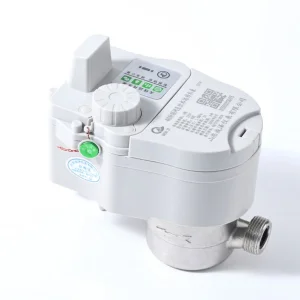
Whether dealing with high dust levels in mining bins or corrosive conditions in chemical processing, hardware must carry appropriate IP ratings. For instance, sensors and water flow meters designed with IP68 protection ratings are highly sought-after due to their resistance to water ingress and particulate damage.
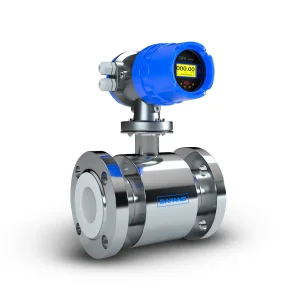
In process fluid piping networks, precise flow management requires instrumentation with high accuracy (such as +/-0.5% or +/-1% limits). Turbine flowmeters and magnetic flow meters must deliver consistent, repeatable readings under varying pressure thresholds. Similarly, bulk solid handlers depend on smart PLC-controlled flow aid devices to manage materials efficiently, ensuring smooth operations without blockages.
Industrial machinery must meet safety standards to protect workers and secure operation permits. Compliance with CE markings, UL certifications, ATEX directives for hazardous areas, and ISO quality standards is non-negotiable for high-end procurement pipelines.
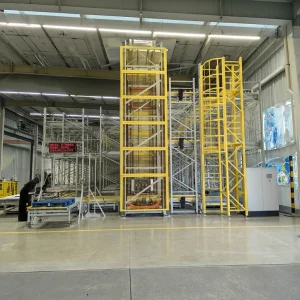
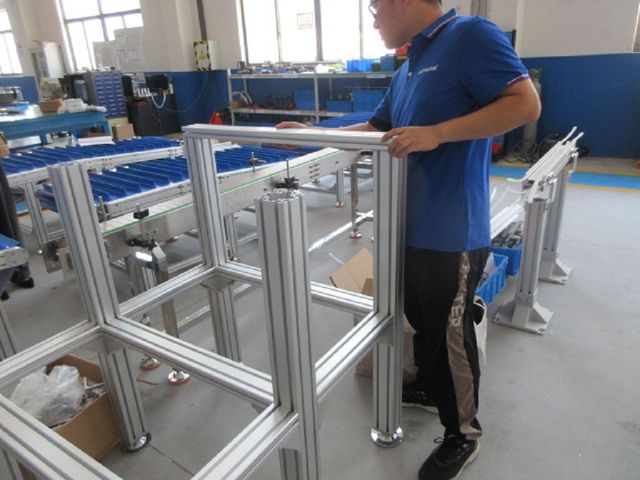
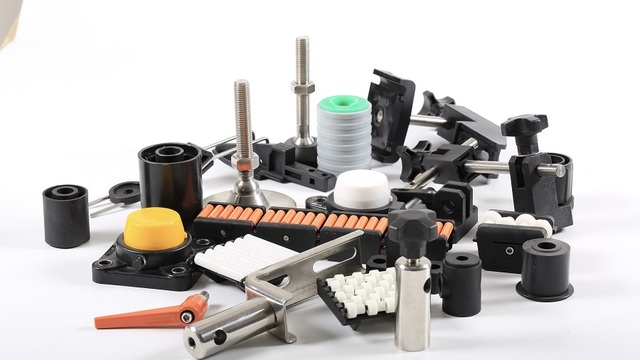
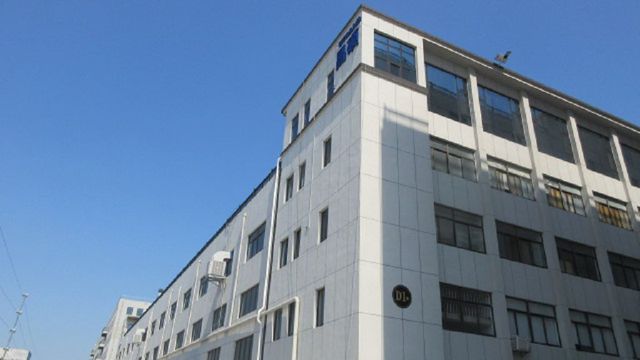
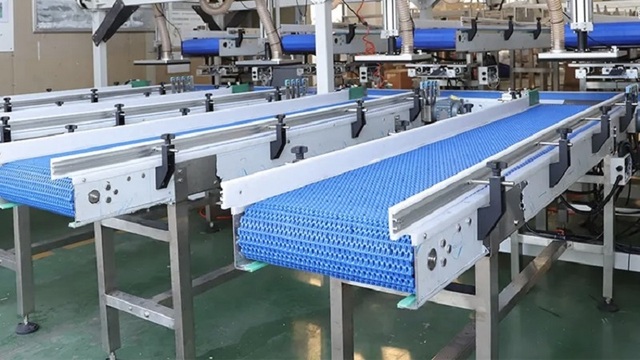
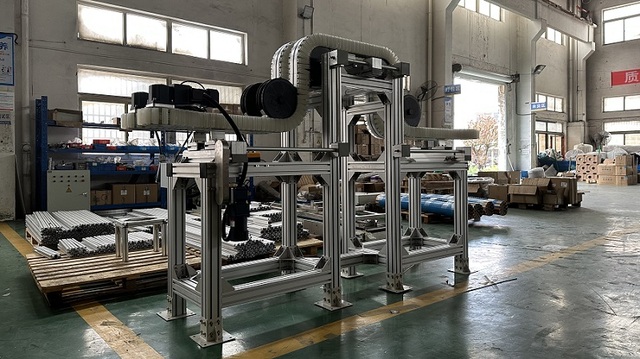
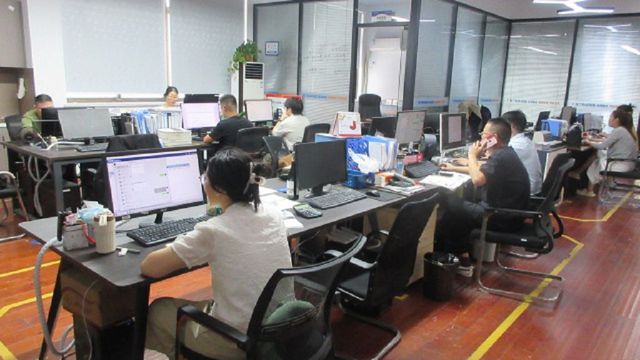
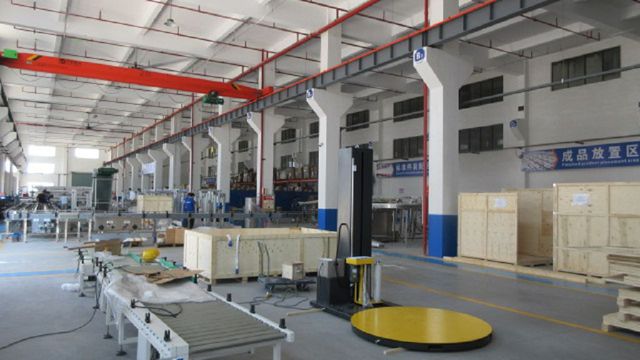
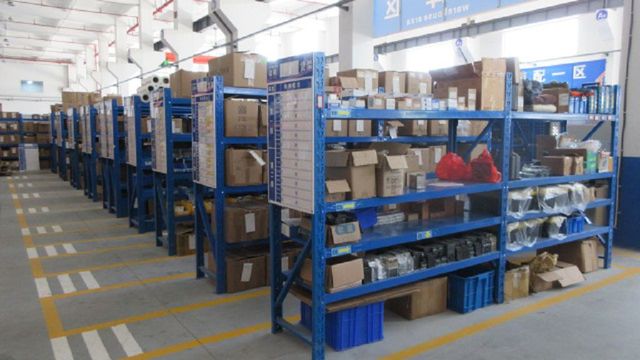
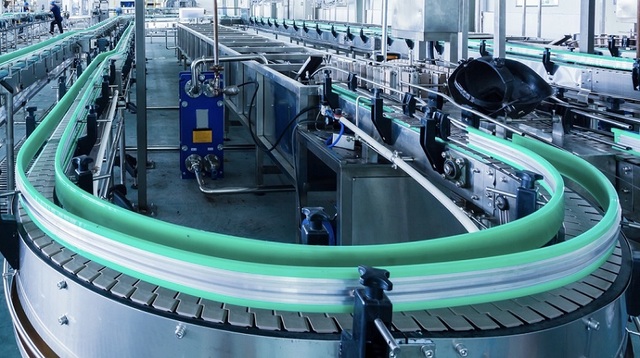
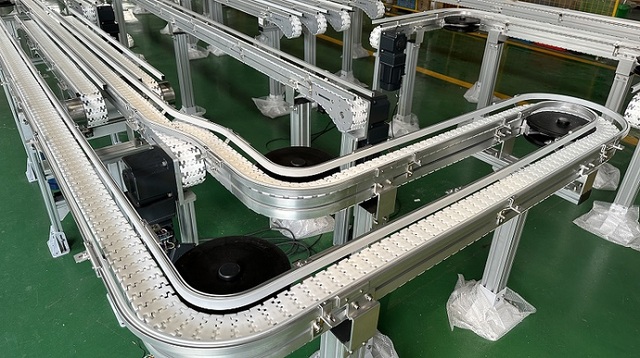
Shenzhen JK Logistics Co., Ltd. operates state-of-the-art manufacturing facilities designed to build and test high-capacity conveyor belts, automated sorting networks, and complex logistics equipment. The company maintains strict quality control measures from structural design to system testing. Here is a gallery displaying the company's manufacturing capability, engineering environments, and structural sorting designs:
Material Flow Management Systems must adapt to different operational settings. Below, we examine three specialized industrial use cases that demonstrate how discrete automation and process monitoring systems work together to optimize efficiency.
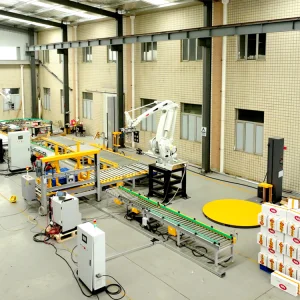
In large distribution centers, hundreds of thousands of packages are processed daily. JK Logistics conveyor lines, combined with robotic palletizers, ensure rapid, damage-free routing. Incorporating automated inline measurements at key points allows teams to monitor weight distribution and scan barcodes on the fly, preventing bottlenecks in shipping queues.
Mining and heavy industrial sites deal with difficult-to-handle bulk solids. Sourcing teams deploy PLC-controlled flow aid devices inside storage bins to prevent bridge formations. At the same time, turbine flowmeters monitor the water and chemical additives used in mineral separation, keeping raw material processing and fluid lines balanced.
Processing environments handling natural gas, biogas, or volatile fuels require highly precise monitoring. Multi-run flow computers and stainless steel digital flow meters track resource levels and detect leaks in real time. These process metrics connect directly to the facility's master control room, protecting operators and minimizing product waste.
In-depth responses to frequently asked technical questions regarding the planning, deployment, and optimization of material flow equipment.
Integration is handled via a Warehouse Control System (WCS) or a middleware interface. The WMS issues high-level inventory commands, which the WCS translates into physical routing operations. By using open fieldbus protocols and TCP/IP sockets, PLCs receive destination codes and route items along the conveyor system, matching physical flow with digital records.
Inline flow telemetry provides real-time visibility into gas and liquid usage across the facility. Integrating digital and electromagnetic flow meters directly into the plant SCADA system allows managers to track resource usage per manufacturing batch. This data makes it easier to optimize costs, identify leakages, and ensure compliance with environmental regulations.
A PLC processes signals from level indicators and load cells. If the program detects material flow blockages, it automatically triggers flow aids, such as air cannons or vibrating bin dischargers. This localized control prevents material bridging, ensures consistent output, and reduces manual maintenance needs.
JK Logistics uses high-grade structural steel, precision-engineered bearings, and wear-resistant roller shells. Our design process includes Finite Element Analysis (FEA) to confirm the structures can handle continuous operations under maximum load. We also apply anti-corrosive coatings and carry out dynamic load testing before system installation.
Smart meters offer clear advantages by eliminating moving parts, which minimizes mechanical wear and reduces pressure drops across the pipeline. They feature integrated communication protocols (like Modbus, LoRaWAN, or Wi-Fi) that send flow rate, temperature, and cumulative volume data directly to control systems, eliminating the need for manual readings.
Discover our second set of high-performance components designed to secure, monitor, and automate fluid distribution and warehouse processes.
 JK Logistics