Industrial-grade equipment engineered for extreme throughput, accuracy, and operational continuity.
Shenzhen JK Logistics Co., Ltd. is an industry-leading, professional Warehouse Conveyor Systems Manufacturer specializing in high-performance material handling, automated sorting systems, and complex logistics automation solutions. Operating out of China's technological epicenter, Shenzhen, the company leverages cutting-edge hardware design, integrated system architectures, and smart software protocols to optimize operational efficiency, streamline bulk material flows, and empower global supply chain operations.
With over a decade of domain expertise, JK Logistics engineers and delivers integrated portfolios that encompass advanced material handling conveyor networks, automated sorting nodes, end-to-end order fulfillment systems, dynamic pallet handling equipment, distribution center infrastructure, and smart IoT-based logistics platforms. Our systems serve as the operational backbone for global e-commerce sorting hubs, heavy-duty retail distribution loops, third-party logistics (3PL) centers, manufacturing assembly lines, and high-frequency parcel processing hubs.
Our engineering methodology focuses on custom scalability. We recognize that no two distribution centers are alike. By conducting structural consultations—mapping out client warehouse topologies, studying peak throughput spikes, analyzing physical parcel variations, and modeling future operational growth—our design division crafts custom hardware and WCS/WMS configurations that dramatically reduce manual touchpoints, boost tracking accuracy, and drive down per-parcel overhead costs.
Through robust manufacturing processes and comprehensive quality assurance systems, JK Logistics enforces military-grade fabrication, electrical, and structural engineering compliance at every phase—from initial CAD modeling and fabrication to physical assembly and factory acceptance testing (FAT). This dedication to reliable engineering enables global supply chain networks to adapt to the highly dynamic demands of the modern express fulfillment ecosystem.
The global logistics network is undergoing a critical phase of structural transformation. Driven by the explosive volume of cross-border e-commerce, the rapid contraction of customer order-to-delivery windows, and persistent labor shortages, logistics operators are transitioning away from manual processing to fully automated, data-driven fulfillment centers. In this high-stakes environment, material handling systems are no longer passive transport mechanisms; they are the core intelligence channels of modern distribution architecture.
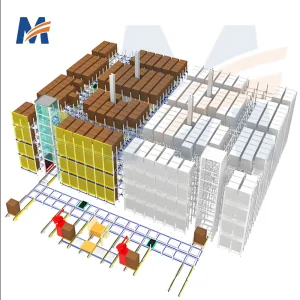
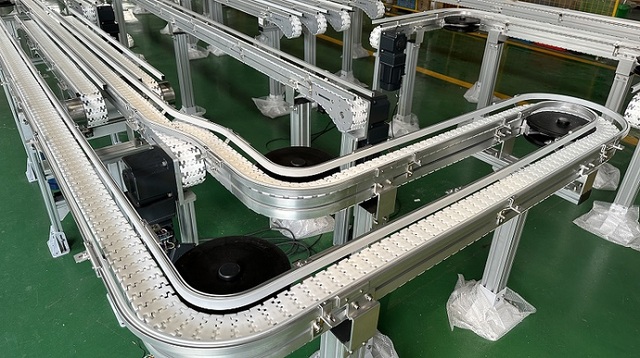
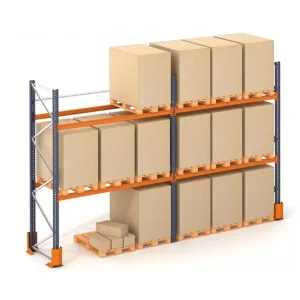
The shift towards micro-fulfillment centers requires ultra-dense racking layouts (ASRS) and highly compact, modular conveyor loops designed to maximize spatial efficiency.
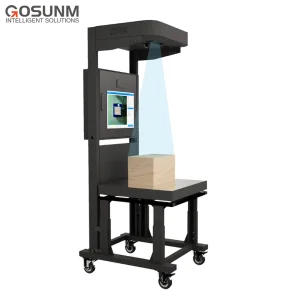
Real-time parcel diagnostics using high-frequency DWS scanners are crucial for dynamic shipping rate calculations and immediate sorting lane routing.
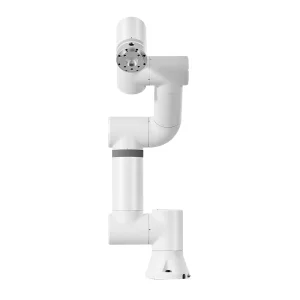
Robotic arms integrated with deep learning visual models automate complex tasks like box loading, high-speed stacking, and chaotic item pick-and-place operations.
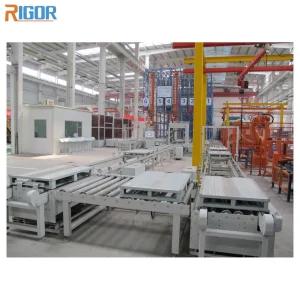
As a premier China exporter and systems supplier, Shenzhen JK Logistics develops integrated industrial solutions designed to resolve these macro challenges. By implementing automated conveyor configurations that sync with high-speed dynamic parcel sorters, operators can achieve steady throughput capacities exceeding 10,000 packages per hour, reducing operating overhead and eliminating error vectors associated with manual logistics management.
An efficient parcel delivery infrastructure is a synchronized ecosystem composed of structural steel, precision motors, optoelectronic sensors, and real-time computing units. Shenzhen JK Logistics engineers every subsystem to ensure absolute mechanical synchronization and data integrity.
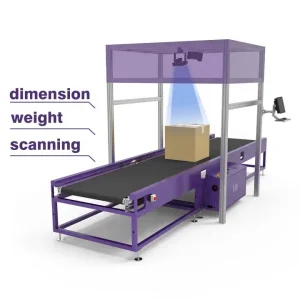
The DWS (Dimensioning-Weighing-Scanning) system is the primary sensory checkpoint in modern express networks. Utilizing high-resolution 3D laser-profile cameras, high-precision dynamic belt scales, and multi-directional overhead barcode scanners, the system captures a parcel's volume, weight, and label data in fractions of a second while it moves at speeds up to 2.5 meters per second.
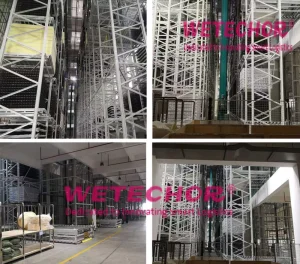
ASRS (Automated Storage and Retrieval Systems) replace traditional fork-truck storage with high-density vertical racking, stacker cranes, and automated shuttle fleets. The MRACKING ASRS platform operates within tightly optimized footprints, carrying high-payload pallets or tote-boxes up to heights of 24 meters, drastically reducing warehouse real estate requirements while ensuring immediate item accessibility.
Deploying complex warehousing hardware across international borders requires a meticulous approach to compliance, electrical engineering safety, and ongoing technical support. JK Logistics ensures all equipment meets the highest regulatory standards of the destination markets, including North America, the EU, South America, and APAC.
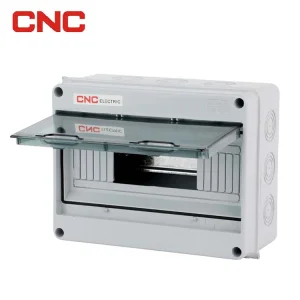
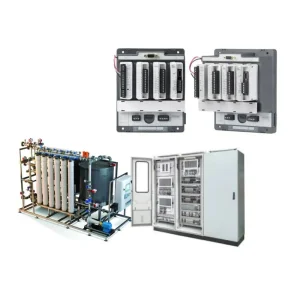
Our power distribution equipment, including MCB Panels and main distribution boxes, is built to meet international standards (IEC, UL, and CE certified components). We design control configurations that support regional voltage standards—ranging from 110V/220V single-phase for light commercial applications to 380V/480V three-phase systems for heavy-duty industrial conveyor hubs.
Fail-safe systems, emergency-stop loops (E-stops), and short-circuit protections are integrated directly into the hardware cabinets, safeguarding personnel and downstream components from operational grid fluctuations.
To address the challenges of international system deployment, JK Logistics provides comprehensive remote support, augmented reality commissioning guidance, and local installation partners. Standardized modular design allows conveyor segments to be shipped in pre-assembled, pre-wired blocks.
This modular plug-and-play architecture reduces commissioning times from weeks to days, allowing local maintenance technicians to manage and upgrade systems with minimal specialized training.
Our automation systems are designed to operate across diverse industries, each requiring specific configurations to optimize material handling and tracking workflows.
High-speed dynamic sorters integrated with automated packing lines process thousands of polybags and cartons hourly, reducing order cycle times during peak demand.
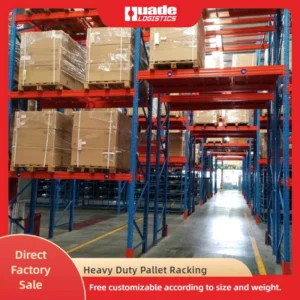
Adjustable multi-level pallet racking and high-speed conveyors manage rapid inventory rotations, resolving space limits for bulk seasonal items like toys, apparel, and consumer electronics.
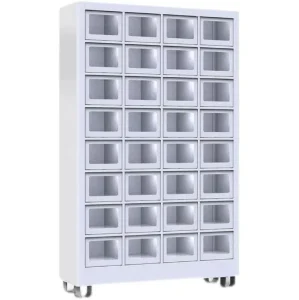
Stainless steel smart RFID cabinets automate tool tracking and management in aerospace, automotive, and high-tech manufacturing, preventing inventory loss on the assembly floor.
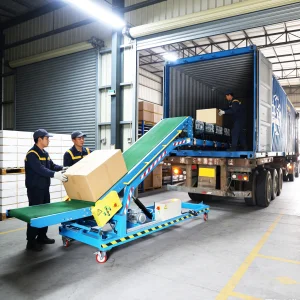
Our systems are engineered to handle diverse product categories. In standard warehousing setups, our mobile belt conveyors allow operators to easily adjust loading and unloading positions at dock doors, cutting container turn times in half and improving overall cross-docking efficiency.
The future of parcel logistics is defined by autonomous execution and deep edge-computing integration. As sorting networks grow more complex, systems must evolve from programmed automation to adaptive decision-making. Shenzhen JK Logistics' technical roadmap focuses on three primary development pillars:
By integrating high-speed collaborative robotic arms (such as our SWJD-M3 series) with OpenCV and AI vision processors, we enable automated systems to perform precise pick-and-place actions on unsorted, mixed-SKU logistics flows. This setup handles complex stacking tasks, item classification, and dynamic sorting without manual pre-sorting or alignment.
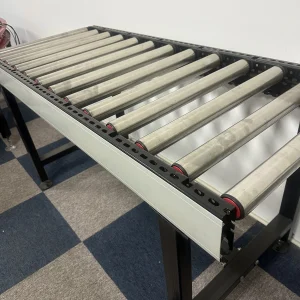
By integrating vibration, temperature, and current sensors into roller conveyor bearings and drive assemblies, we monitor system health in real time. Anomalies are flagged before mechanical failure occurs, allowing maintenance teams to schedule service during planned downtime and ensuring continuous facility operation.
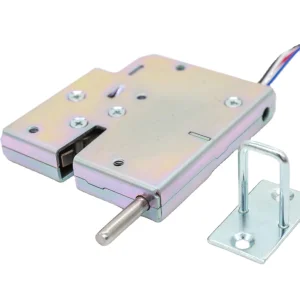
Transitioning sorting logic from a centralized PLC to smart, localized controllers allows systems to continue operating even if the primary server goes offline. Using secure RFID tags and smart lock components (like the AS6772 status feedback lock), parcel transit paths are verified at each node to protect against sorting errors and cargo loss.
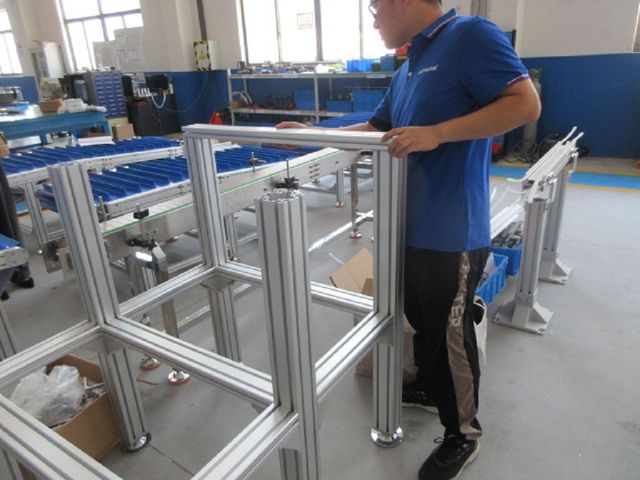
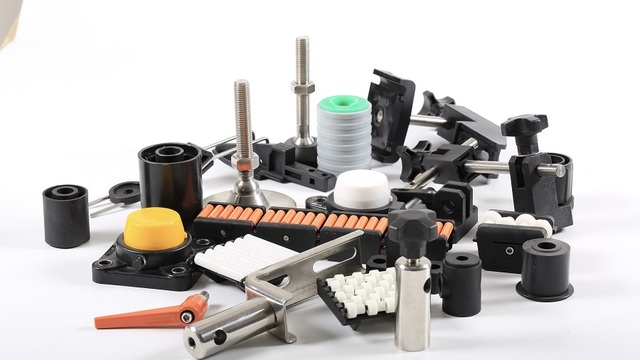
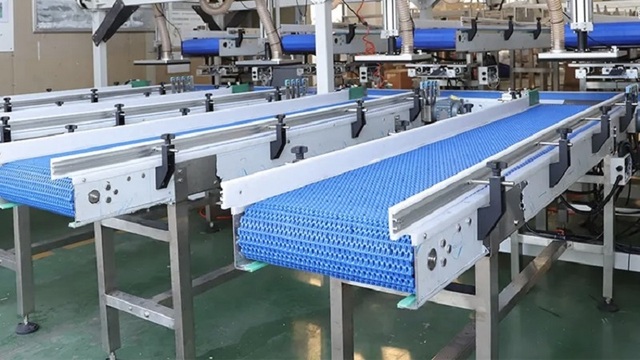
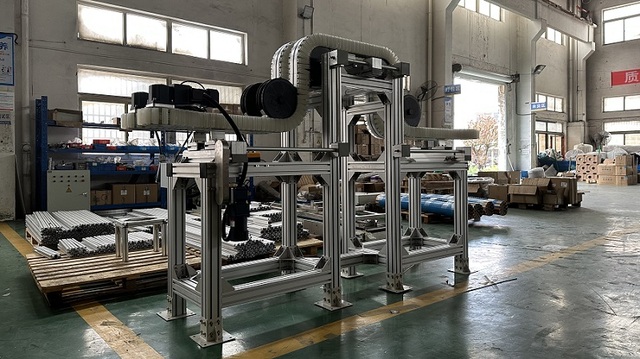
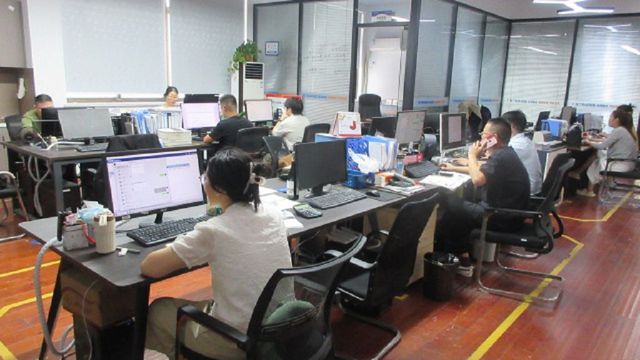
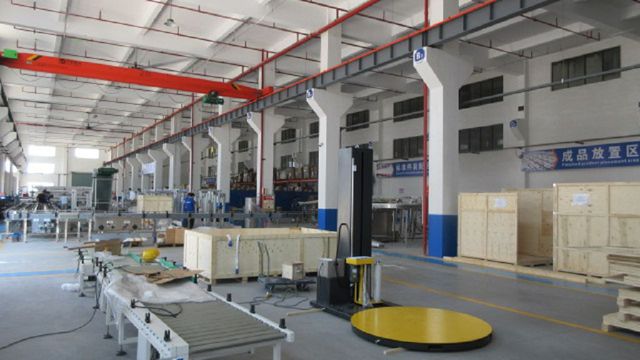
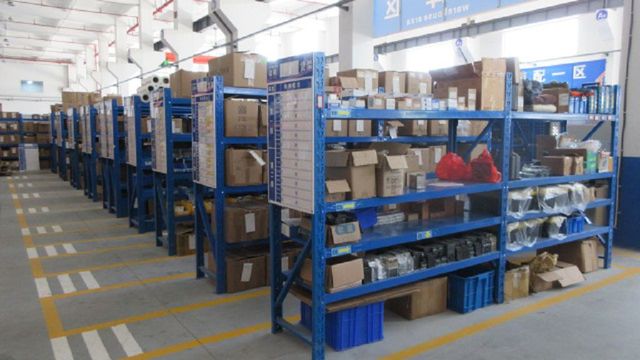
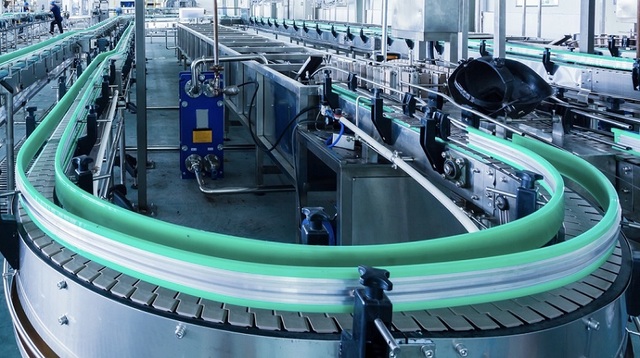
A look inside our advanced production workshops, quality testing zones, and assembly lines in Shenzhen, China.

Expert technical insights to help you optimize warehouse efficiency, select the right hardware configurations, and understand international supply chain integrations.
High-performance robotic stackers, dynamic tracking scanners, smart locker locks, and warehouse racking components.
 JK Logistics