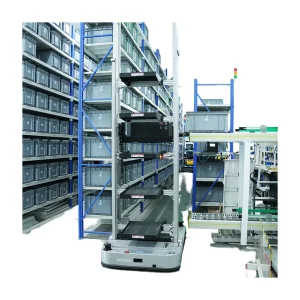
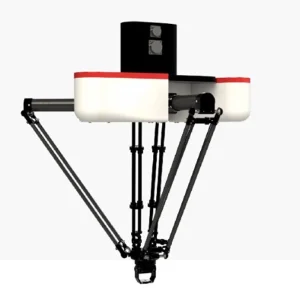
As Egypt accelerates its industrial footprint through the Suez Canal Economic Zone and major logistics hubs in Cairo and Alexandria, modern warehouse automation has transitioned from a competitive option to an operational necessity. JK Logistics delivers specialized machinery designed to withstand local climates while drastically reducing picking cycle times.
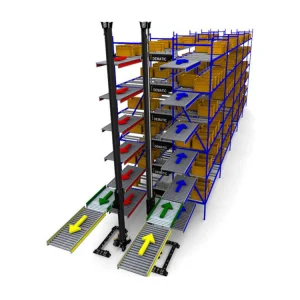
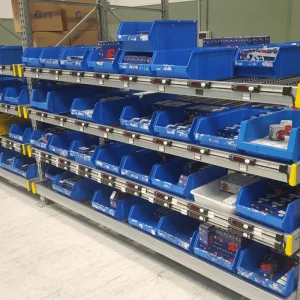
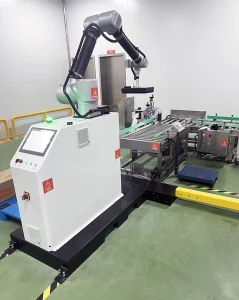
Egypt is positioning itself as the primary logistics gateway connecting the Mediterranean, the Middle East, and Africa. Driven by the government’s Egypt Vision 2030, substantial infrastructure upgrades are occurring in key zones like the Suez Canal Economic Zone (SCZONE), 10th of Ramadan City, and 6th of October City. This industrial boom has triggered a massive rise in demand for advanced automated material handling technologies.
E-commerce platforms such as Amazon Egypt and Jumia, combined with a rapidly expanding Fast-Moving Consumer Goods (FMCG) sector, require massive order fulfillment speeds. However, logistics operators in Egypt face unique environmental challenges. High ambient temperatures, seasonal sandstorms, and dust ingress call for specialized automated warehouse robotics featuring dust-resistant electronics, heavy-duty anti-corrosion metals, and highly robust electrical components.
To help Egyptian procurement departments plan their technological transitions over the next 5 to 10 years, JK Logistics highlights a clear progression pathway from manual warehouse systems to fully AI-driven autonomous installations:
Implementing Pick-to-Light and Put-to-Light technologies to guide human pickers. This minimal-disruption upgrade delivers immediate efficiency boosts and reduces human error rates to less than 0.1% in high-volume retail environments.
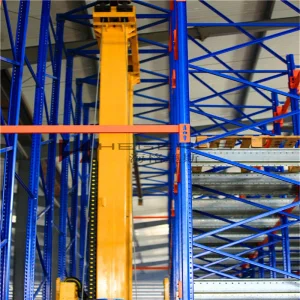
Deploying stacker cranes and heavy-duty ASRS networks capable of storing 1,000kg to 4,000kg loads. This maximizes vertical warehouse space, an essential upgrade for urban distribution centers in crowded industrial sectors like Giza and Qalyubia.
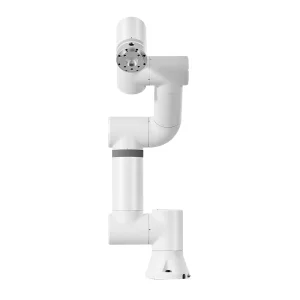
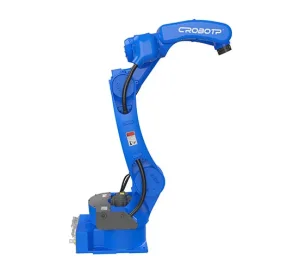
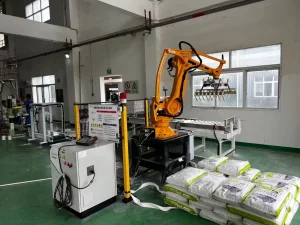
Integrating autonomous mobile platforms, 3D vision robotic arms, and intelligent sorting machines. These systems communicate directly via centralized WCS (Warehouse Control System) databases powered by 5G networks, ensuring continuous, lights-out automated fulfillment.
No single solution fits every facility. JK Logistics designs macro-level hardware and software automation networks suited to Egypt's unique commercial landscape:
Operating out of Shenzhen, China’s primary tech and logistics capital, Shenzhen JK Logistics Co., Ltd. integrates state-of-the-art production methodologies with high-grade materials to deliver superior value to the Egyptian market:
Expanding automated warehouse systems into Egypt requires deep compliance with local regulations and comprehensive technical support. JK Logistics ensures that all delivered systems meet the regulatory requirements of the Egyptian General Organization for Standardization and Quality (EOS), as well as holding standard international CE, ISO9001, and UL certifications.
We resolve post-purchase maintenance anxieties by offering a dedicated support framework:
Explore our complete selection of automated guided vehicles, robotic arms, sorters, and high-density storage solutions. Each system is fully customizable to suit the architectural constraints and operational demands of your warehouse facility in Egypt.
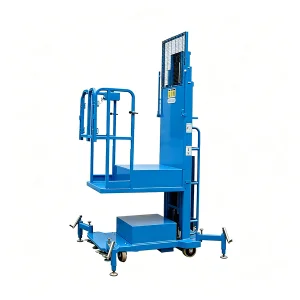
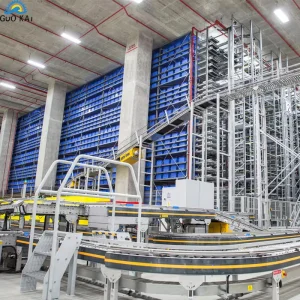

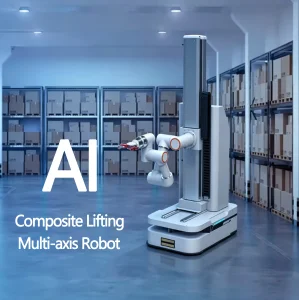

When selecting an automation supplier, procurement managers must evaluate several technical criteria to guarantee long-term operational success:
Can these automation systems withstand the dust and heat of industrial areas in Egypt?
Yes. All of our AGVs, ASRS components, and conveying machinery can be customized with IP54 or IP65 electrical cabinets, dust-sealed bearings, and thermal management systems to ensure continuous operation in temperatures exceeding 45°C.
How is technical installation and commissioning managed locally in Egypt?
JK Logistics offers comprehensive remote setup support, supplemented by engineering dispatch teams for on-site commissioning. We collaborate closely with local Egyptian installation crews to perform final testing and staff training.
What is the standard warranty and post-purchase replacement part logistics process?
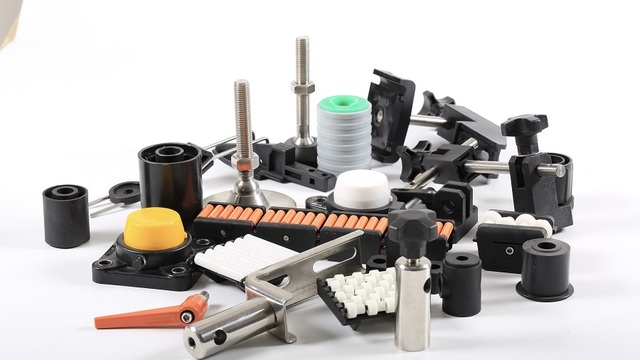
We provide a standard 12-to-24 month structural and electronic warranty. We maintain a stock of critical spare parts (such as PLCs, sensors, and motors) and offer express shipping options to Alexandria and Cairo airports to minimize operational downtime.
Do your systems integrate with global enterprise management software like SAP or Oracle?
Yes. Our control systems use open interfaces (TCP/IP, Modbus, OPC UA) allowing seamless connection with your current Warehouse Management System (WMS) or Enterprise Resource Planning (ERP) databases.
What makes JK Logistics a highly reliable partner compared to European OEM suppliers?
Located in Shenzhen, China, we offer superior supply chain integration. We combine high-end international components with cost-effective manufacturing, resulting in shorter lead times, highly competitive pricing, and robust construction quality.
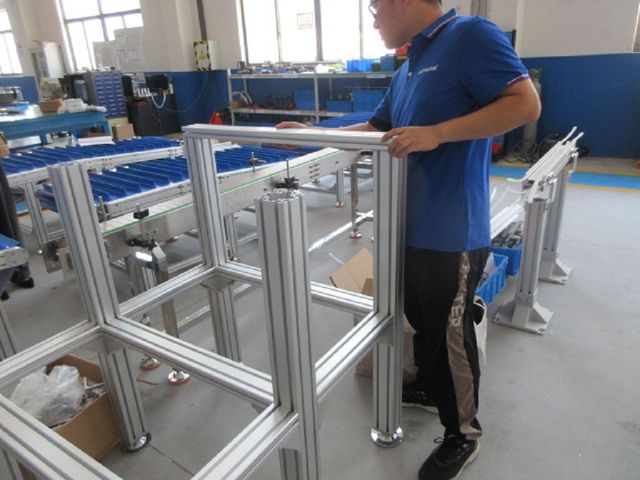
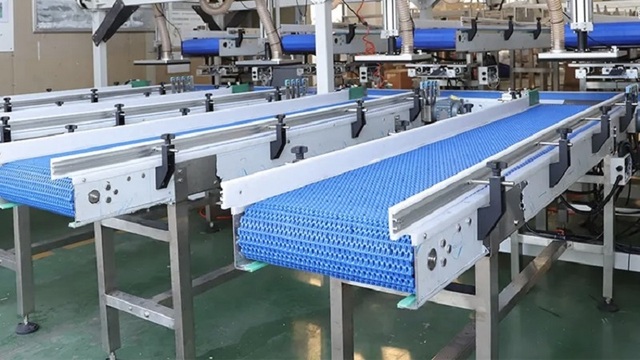
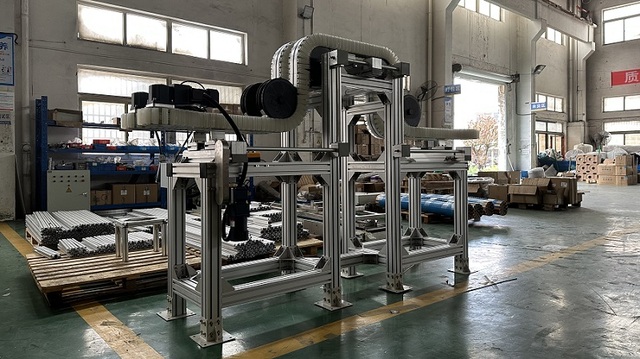
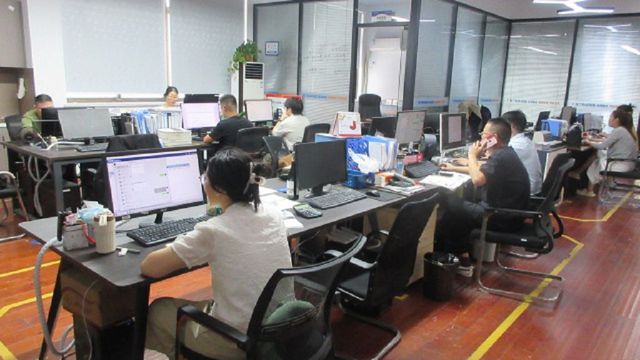
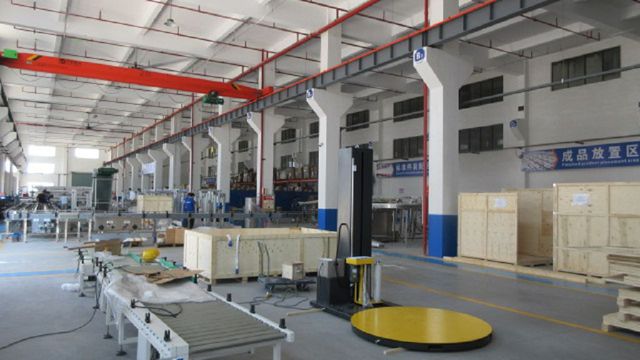
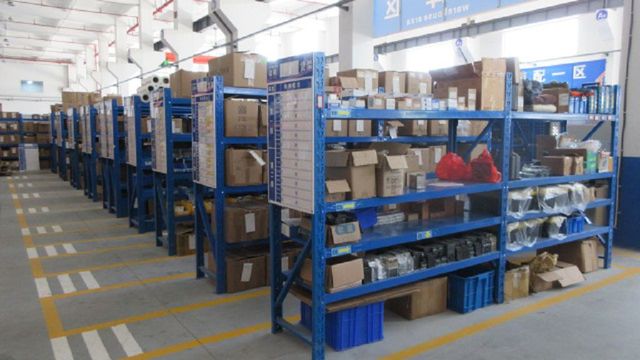
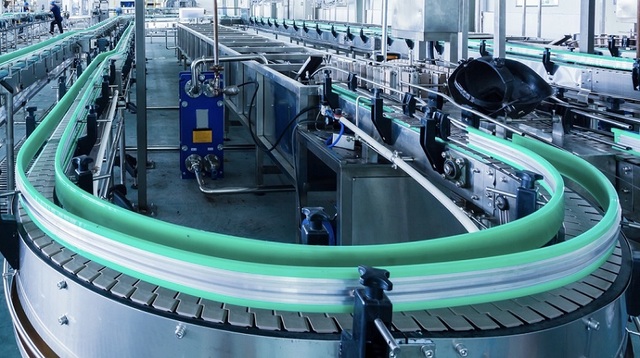
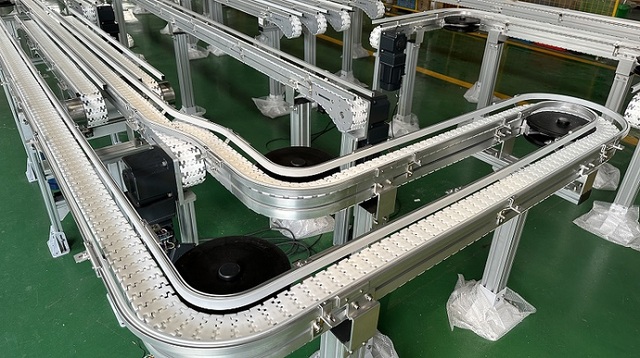
Explore our state-of-the-art production floors. Every system undergoes extensive stress testing, safety verification, and software synchronization before preparation for international export to Egyptian ports.

 JK Logistics