Deploy high-density automated hardware designed to maximize cubic storage volume and sorting efficiency.
Analyzing Industrial Megatrends, High-Density Warehousing Demands, and Spatial Constraints in the Tri-State Region
The New York-Newark-Jersey City metropolitan statistical area represents the densest consumer market in the United States, driving unprecedented transaction volumes for online merchants. However, logistics operators in the regional sub-markets—ranging from the industrial parks of central and northern New Jersey (along the I-95 corridor) to the urban infill micro-fulfillment sites in Brooklyn, Queens, and the Bronx—face a critical operational hurdle: extreme real estate scarcity and soaring lease rates. Prime warehouse space in the Tri-State area regularly exceeds national cost averages by over 100%, forcing enterprise distribution facilities to look upward rather than outward.
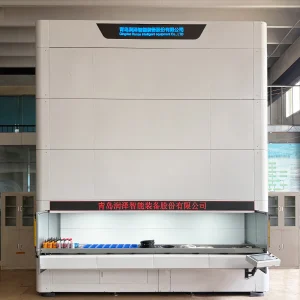
Consequently, horizontal footprint expansions are no longer financially viable. To stay competitive, distribution centers must deploy high-density vertical solutions such as Vertical Lift Modules (VLMs) and multi-tier automated storage systems. By leveraging vertical heights of up to 40 feet, logistics managers can shrink storage footprints by 85% while simultaneously improving inventory control, order-picking accuracy, and labor ergonomics.
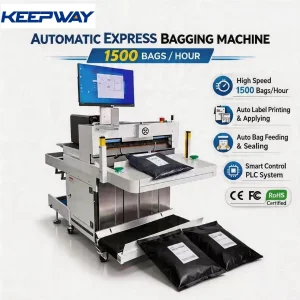
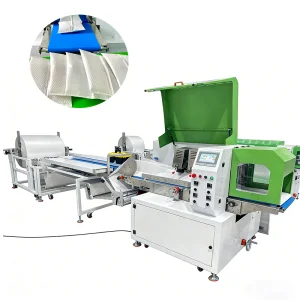
Operating a manual picking system in the Northeast industrial market comes with substantial financial liabilities. New York's competitive wage structure, combined with high labor turnover rates in manual warehousing environments, makes the automation of high-frequency tasks financially necessary. High-throughput parcel sorting systems, smart check weighers, and fully integrated automated bagging units dramatically lower the cost-per-touch on every outgoing shipment.
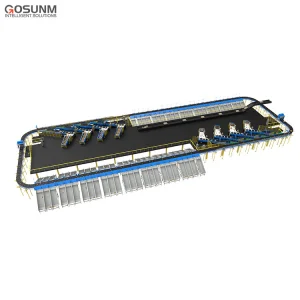
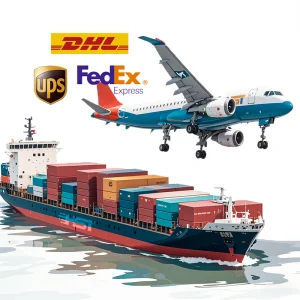
For operations shipping out of key nodes like JFK International Cargo facilities or Newark distribution networks, processing speeds must keep pace with rapid flight and carrier schedules. Incorporating high-speed cross-belt sorting machines and DWS (Dimensioning, Weighing, Scanning) systems ensures compliance with strict dimensional weight pricing models applied by national shipping carriers, protecting profit margins from unpredictable carrier chargebacks.
How Modern Distribution Centers Integrate Hardware, WMS Software, and IoT Sensors for Flawless Fulfillment Pipelines
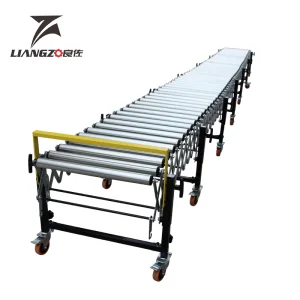
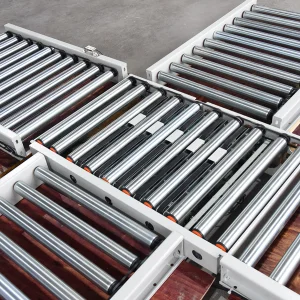
Utilizing high-performance 90-degree popup roller sorters and belt-driven diverters to manage multi-size cardboard packages, poly-mailers, and crates without interruption or skewing.
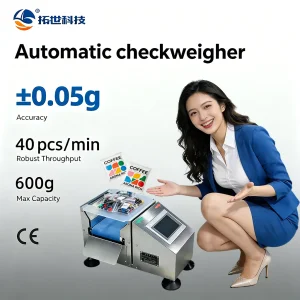
Precision dynamic check weighers with 0.05g resolution operate mid-line, cross-referencing package weights with product manifests to identify missing components or picking errors.
Relying on Siemens S7-1500 or Allen-Bradley ControlLogix processors, integrating EtherNet/IP or PROFINET interfaces for millisecond-level feedback loops from photoelectric sensors.
Modern procurement strategies demand a balanced trade-off between CAPEX savings and operational dependability. Enterprise buyers and global logistics exporters frequently source automation machinery from Shenzhen, China—the world's hub for advanced hardware engineering. Working directly with specialized manufacturers like Shenzhen JK Logistics Co., Ltd. allows buyers to bypass costly markups from domestic middle-tier system integrators while retaining access to high-quality components.
Crucially, global sourcing only succeeds when the machinery aligns with destination-market regulatory frameworks. Every piece of equipment shipped to New York, New Jersey, or the wider North American market must meet strict local engineering codes. This includes using UL 508A certified electrical panels, NEMA-rated enclosures, and maintaining structural compliance with OSHA safety standards, specifically regarding physical guarding, emergency stop systems, and optical safety light curtains.
Ensure smooth cargo movement, sorting, and storage across global networks and localized distribution facilities.
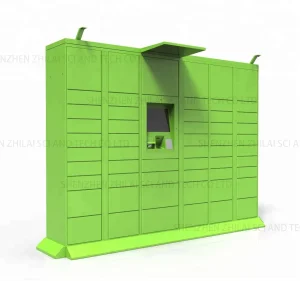
A Comprehensive Guide to Technical Roadmaps, Safety Rules, and Custom Engineering Standards in the Northeast US
The modern sorting facility is no longer just a mechanical highway. Rather, it operates as an intelligent, data-driven network. By integrating AI-based computer vision systems on high-speed scanning cross-belt sorting machines, logistics managers can achieve barcodes read rates exceeding 99.9%, even on wrinkled envelopes or plastic poly-mailers. These scanners feed real-time dimensional data into the facility's Warehouse Management System (WMS), enabling immediate dynamic lane assignment.
At the same time, predictive maintenance sensors on roller conveyors measure motor operating temperatures, vibration, and belt tension. By processing this telemetry at the edge, the system flags minor issues before they turn into expensive mid-shift mechanical failures. This transition from reactive repairs to predictive maintenance is essential for keeping high-throughput distribution hubs running smoothly through peak holiday shipping surges.
Deploying material handling equipment in New York and New Jersey requires strict compliance with safety codes. Any industrial automated sorting or packaging system must follow regulations monitored by the US Occupational Safety and Health Administration (OSHA). Key requirements include:
Industrial equipment designed for export must match local power grids. Standard configurations for US distribution centers include:
Shenzhen JK Logistics Co., Ltd. customizes every control panel and mechanical assembly to ensure seamless connection to US electrical systems without the need for external transformers.
A trusted partner for warehouse conveyor systems and logistics automation solutions, serving North American and international markets.
Based in Shenzhen, China, Shenzhen JK Logistics Co., Ltd. is a professional manufacturer specializing in material handling systems, sorting lines, and logistics automation solutions for warehouses, distribution centers, and industrial facilities. The company brings together advanced mechanical design, practical logistics expertise, and strict quality control processes to develop systems that improve operational efficiency, reduce manual handling, and streamline modern warehouse workflows.
Serving customers across North America, Europe, Asia, and the Middle East, our engineering teams collaborate closely with clients to analyze operational requirements, floor plans, and throughput goals. Below is a look inside our manufacturing processes, product assemblies, and international export packaging systems:
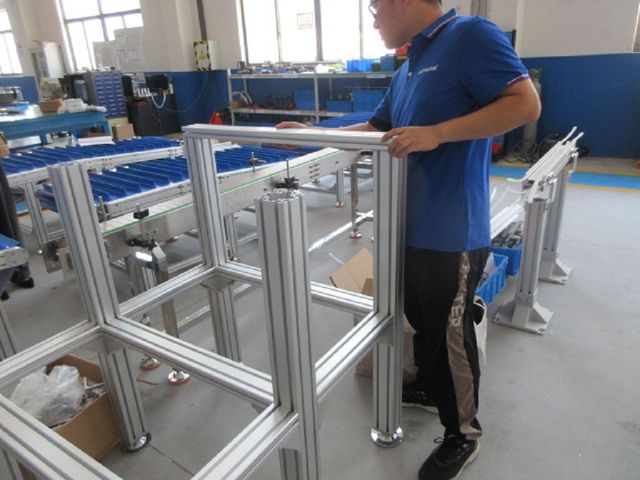
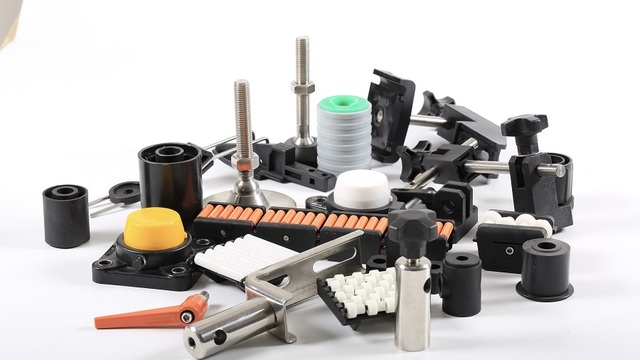

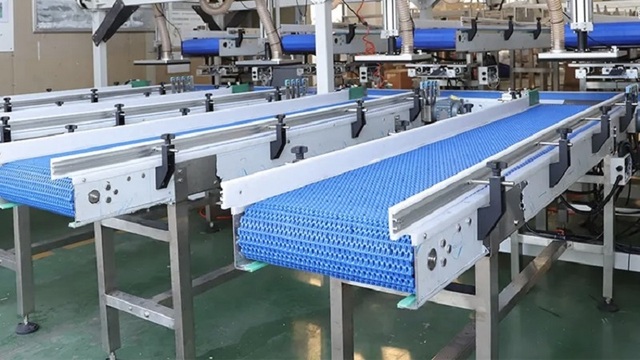
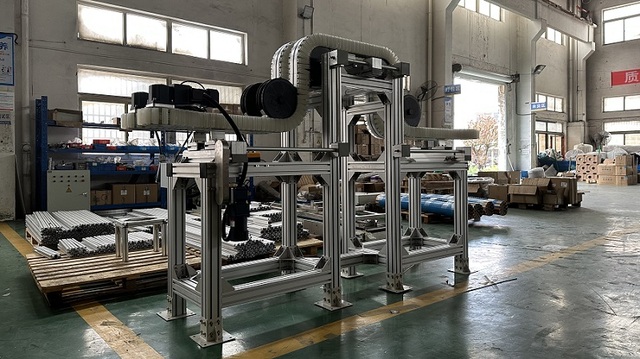
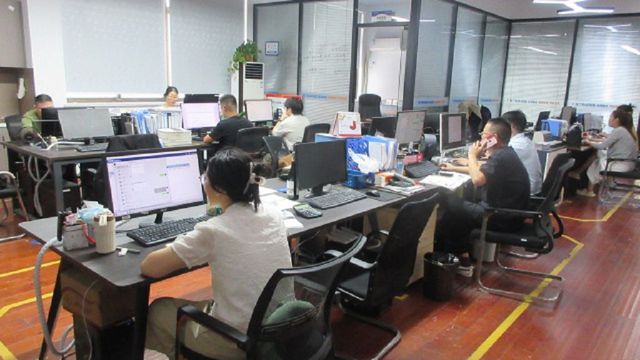
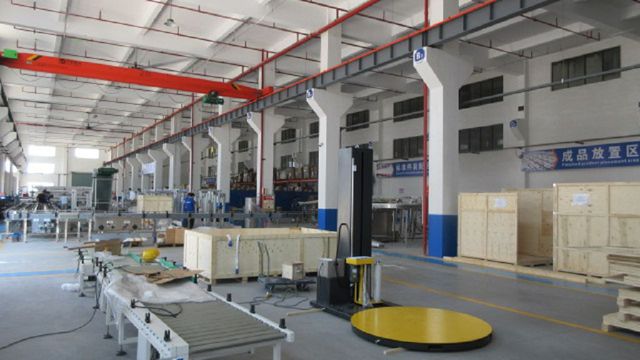
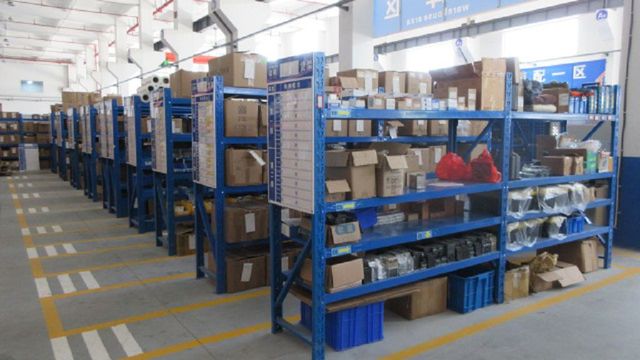
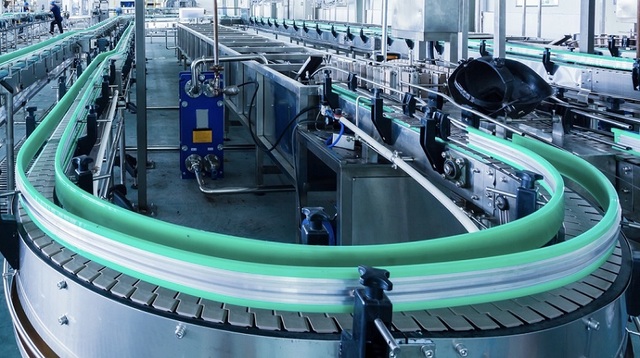
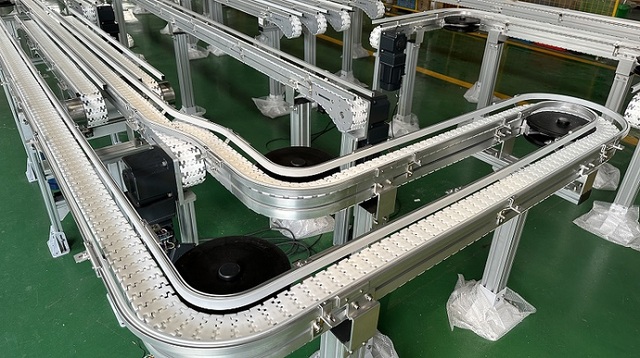
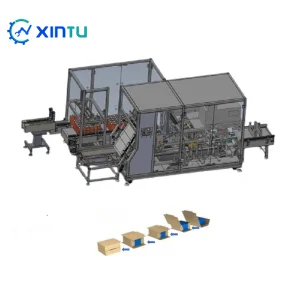
A comprehensive lineup of industrial machinery designed to build automated, high-output packaging and sorting lines.
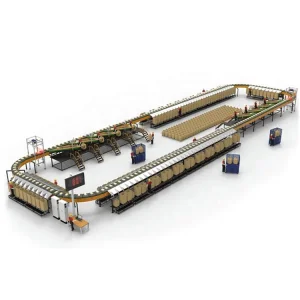
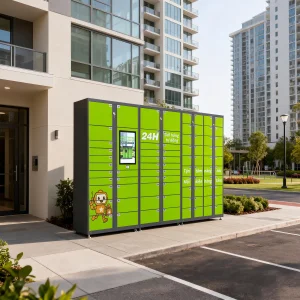
Detailed technical answers for engineering leads and procurement managers sourcing equipment for North American operations.
 JK Logistics