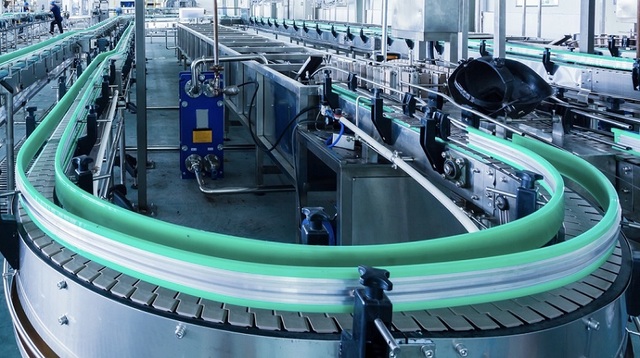
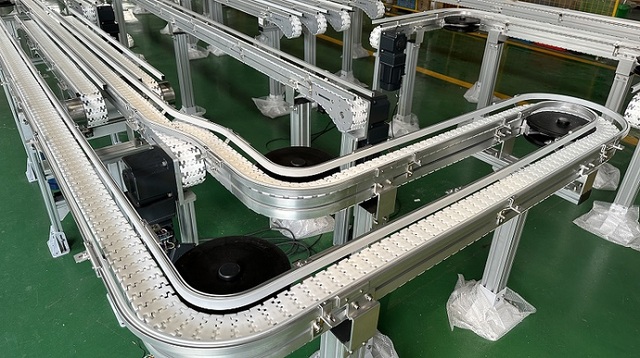
Deploying precision engineered hardware to scale operations, optimize warehouse footprints, and supercharge throughput times.
Sydney's industrial and logistics market is undergoing a major structural transformation. Driven by the expansion of the Western Sydney Aerotropolis and key hubs in Eastern Creek, Horsley Park, and Kemps Creek, demand for modern distribution space is at an all-time high. However, record-low vacancy rates and rising land costs in New South Wales require Sydney-based fulfillment companies to optimize every square meter of warehouse space.
Traditional flat racking layouts are quickly being replaced by automated, vertical warehousing configurations. E-commerce platforms, third-party logistics (3PL) providers, and retailers are transitioning to automated inventory storage and high-speed sortation to maintain quick delivery times. By implementing vertical storage modules and intelligent material handling equipment, Sydney operations can increase storage density by up to 85% while reducing dependency on manual labor in a highly competitive job market.
Exploring the technologies driving the next generation of fulfillment networks globally, adapted for the Australian market.
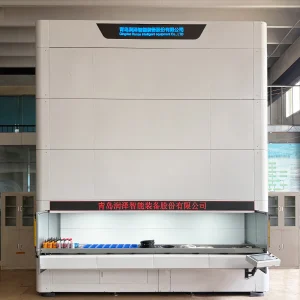
Using automated elevator systems, goods are brought directly to the operator (Goods-to-Person). This saves floor space and increases accuracy in picking and replenishing.
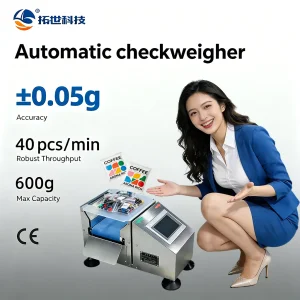
Integrated Dimensioning, Weighing, and Scanning (DWS) systems process parcels at high speeds, reading barcodes and measuring dimensions instantly to optimize logistics fees.
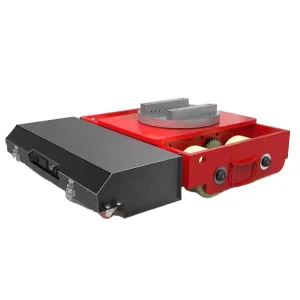
Next-generation AGVs and intelligent mobile conveyors coordinate transport between racking areas and packing zones, avoiding blockages in dynamic logistics systems.
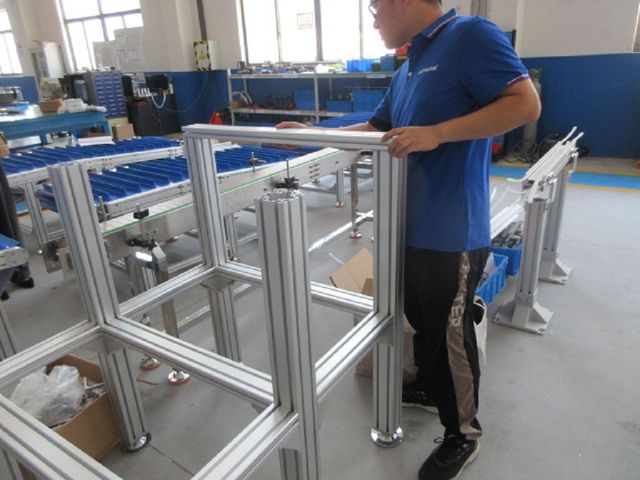
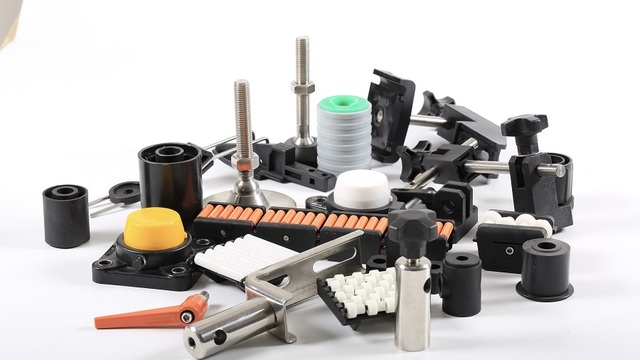
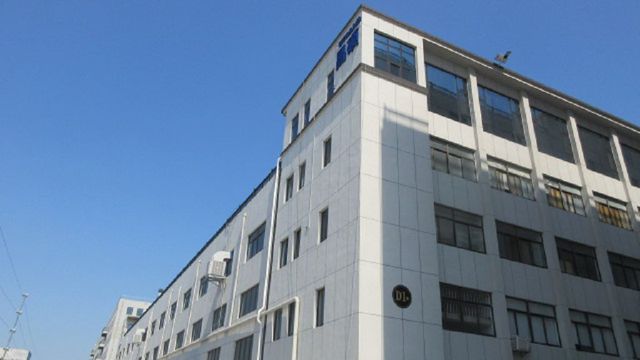
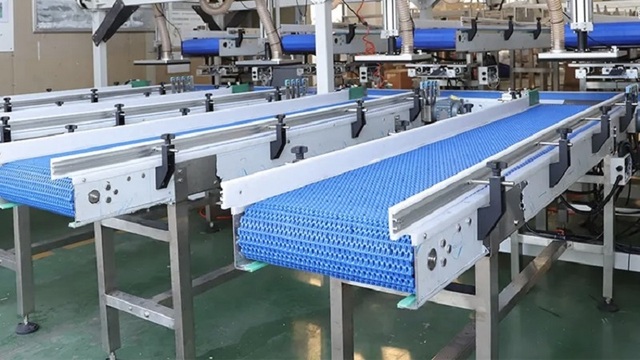
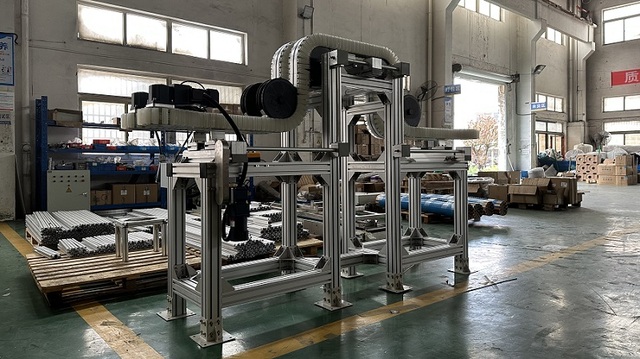
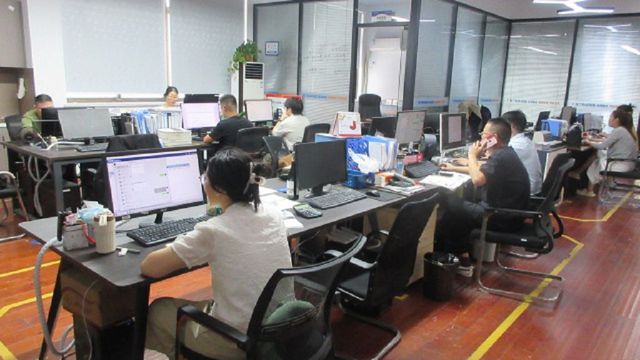
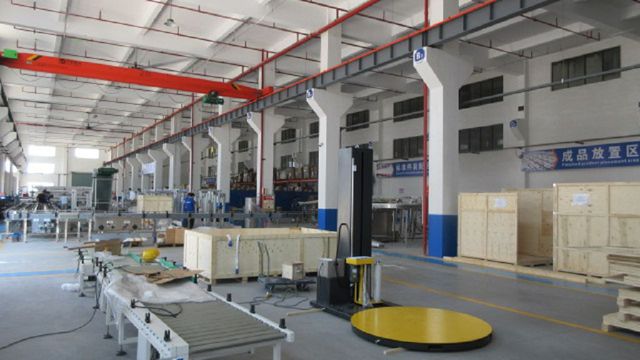
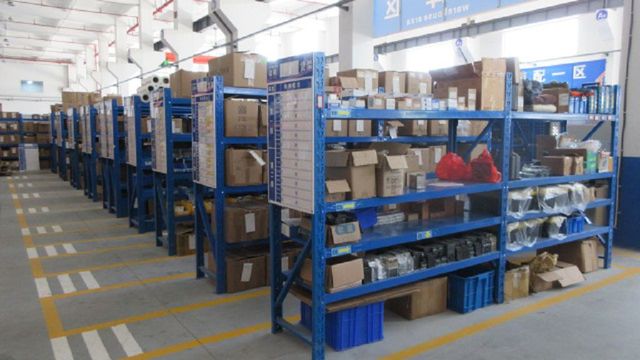
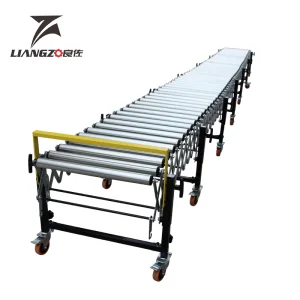
Shenzhen JK Logistics Co., Ltd. is a professional Warehouse Conveyor Systems Manufacturer specializing in material handling, sorting systems, and logistics automation solutions for modern warehouses, distribution centers, and industrial facilities. Based in Shenzhen, China, the company focuses on the development and production of intelligent automation equipment designed to improve operational efficiency, optimize material flow, and support the growing demands of global supply chains.
With extensive experience in warehouse and logistics automation, JK Logistics provides integrated solutions covering material handling systems, warehouse conveying equipment, automated sorting technologies, order fulfillment automation, pallet handling solutions, distribution center infrastructure, and smart logistics integration. These solutions are widely used in e-commerce fulfillment centers, retail distribution networks, third-party logistics operations, manufacturing facilities, and parcel processing hubs.
The company is committed to delivering reliable, scalable, and customized automation solutions that address the challenges of modern warehousing. Its engineering team collaborates closely with customers to analyze operational requirements, warehouse layouts, throughput objectives, and future expansion plans. By combining automation technology with practical logistics expertise, JK Logistics develops systems that improve productivity, reduce manual handling, enhance accuracy, and streamline warehouse operations.
Equipped with advanced manufacturing capabilities and comprehensive quality management processes, the company maintains strict standards throughout design, production, testing, and installation. Continuous investment in research and development enables JK Logistics to incorporate intelligent control technologies, data-driven automation, and flexible system integration into its solutions.
Serving customers across Asia, Europe, North America, South America, the Middle East, and other international markets, Shenzhen JK Logistics Co., Ltd. is dedicated to providing efficient warehouse conveyor systems and logistics automation solutions that help businesses improve operational performance, increase supply chain efficiency, and adapt to the evolving requirements of modern distribution and fulfillment environments.
Deploying large-scale logistics automation in New South Wales requires strict adherence to local regulatory frameworks. System designs must align with AS/NZS 4024.1 (Safety of Machinery) to protect operators while maximizing uptime. Electrical components require proper certifications to meet Australian standards, preventing integration bottlenecks or project delays.
JK Logistics provides tailored documentation, robust structural configurations, and compatibility engineering that simplify the commissioning process. By utilizing high-grade steel structures and standardizing component lists, we ensure your automation installations are built to last and comply with local requirements.
Our material flow designs utilize a structured three-tier architecture to manage sorting, storage, and dispatch operations:
Manages real-time equipment operations, tracking barcode scanning profiles and optimizing dynamic sorting routes.
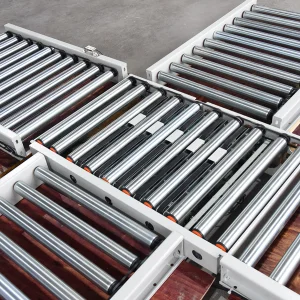
Provides high-speed control over motor drives and belt arrays, ensuring accurate sorting across different weight classes.
Monitors motor temperatures and operating metrics, enabling predictive maintenance schedules to minimize downtime.
How our automated material handling solutions address practical operational challenges in regional New South Wales hubs.
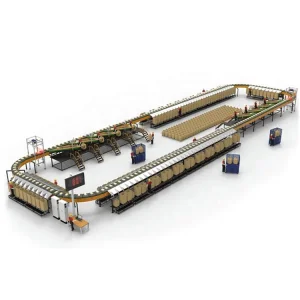
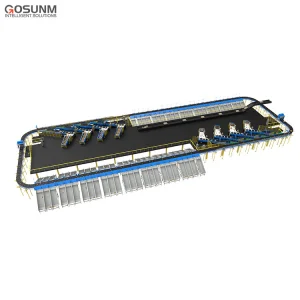
Designed for high-throughput distribution centers in Western Sydney. Our dynamic sorting systems process high parcel volumes per hour, helping operators meet next-day delivery targets.
Ideal for space-constrained fulfillment centers in inner-industrial areas. Vertical storage configurations maximize cubic space usage, allowing operators to keep SKU counts high without expanding their building footprint.
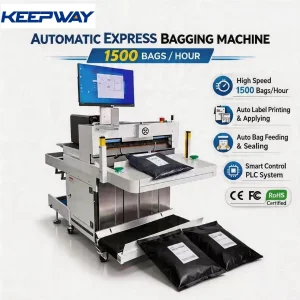
An integrated solution for multi-channel operations. Connects sorting conveyors, scanning modules, and packaging lines to automate workflow from receiving to dispatch.
Analyzing peak throughput requirements and warehouse layouts to design systems with optimized material flow.
Manufacturing robust structures, sorting systems, and control units designed for high-density operation.
Installing equipment and configuring control logic to match dynamic warehouse workloads.
As e-commerce demand continues to evolve, logistics infrastructure must adapt. Future warehouse setups will integrate hardware with intelligent diagnostic software to minimize downtime. Dynamic control systems analyze sensor data across the line to adjust speed and sorting pathways in real time based on package volume.
Predictive maintenance systems monitor conveyor motor metrics, detecting anomalies like temperature rises or vibration changes before they cause hardware failure. Additionally, modern sorting lines feature safety modules that reduce power during blockages or maintenance, keeping operations compliant with strict safety regulations.
By investing in modular, sensor-equipped material handling hardware today, Sydney logistics providers can build flexible foundations that support tomorrow's software-driven warehouse innovations.
Answers to common technical and operational questions regarding sorting systems and warehouse equipment deployment.
Automated sorting lines interface with local WMS and WCS systems through standard APIs and communication protocols (TCP/IP, Modbus, PROFINET). When a scanner reads a parcel's barcode, the data is queried in real time, and the sorting system receives instant routing commands to direct the parcel to the correct output chute.
Vertical Lift Modules (VLMs) utilize the overhead height of a facility. By storing items vertically on high-capacity trays and retrieving them using an automated lift, these systems recover up to 85% of standard floor footprint compared to conventional static shelving.
In Australia, conveyor systems must comply with AS/NZS 4024.1 (Safety of Machinery). This standard dictates requirements for physical guarding, emergency stop placement, and control-system safety ratings, ensuring safe operation during high-volume shifts.
DWS systems capture accurate parcel dimensions, weight, and identification data in milliseconds while items move along the conveyor. This data helps operators calculate shipping fees precisely, preventing unexpected carrier chargebacks.
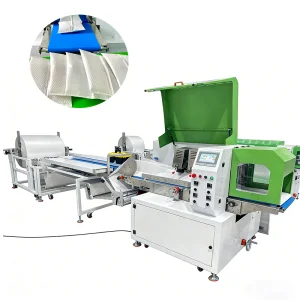
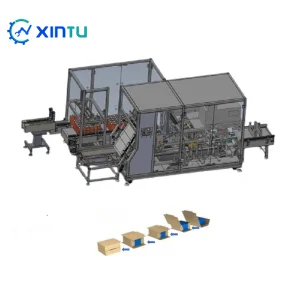
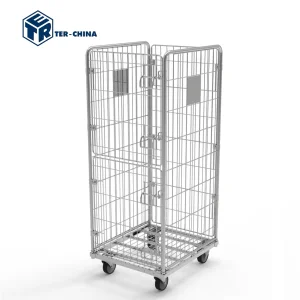
Explore our full line of automated material handling equipment, shipping integrations, and durable storage components designed for professional distribution setups.
Our engineering and design teams are ready to help customize an automation layout tailored to your facility's footprint, throughput requirements, and budget.
 JK Logistics