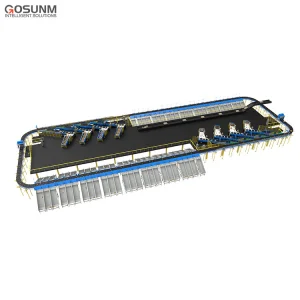
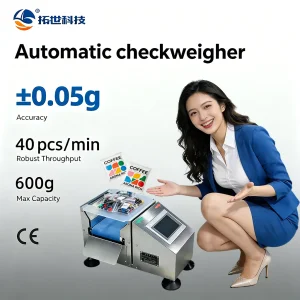
Featured smart sorting, vertical storage modules, and express delivery agents optimized for the domestic Serbian and cross-border Balkan logistics networks.
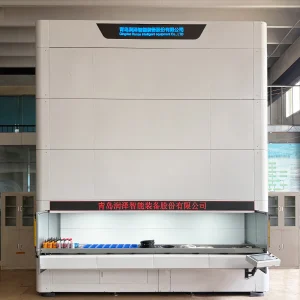
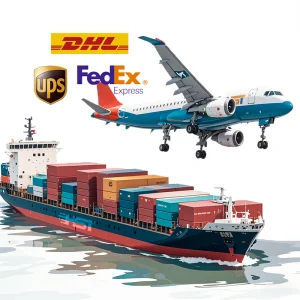
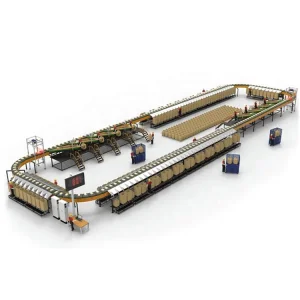
An in-depth whitepaper assessing the micro and macro-economic factors driving warehouse automation in the Balkans.
The geopolitical positioning of the Republic of Serbia has historically designated it as a primary gateway between Central Europe, the Mediterranean, and Western Asia. In the contemporary digital economy, this transit significance is translating rapidly into an e-commerce infrastructure boom. Governed by key infrastructure improvements, notably the reconstruction of the Pan-European Transport Corridor X and the ongoing development of the Belgrade-Budapest high-speed railway, international logistics stakeholders are focusing heavily on the Belgrade-Novi Sad industrial axis. This geographic hub is forming the backbone of the region's modernized supply chain.
According to regional logistics analyses, the domestic e-commerce transaction volume in Serbia has experienced double-digit compound annual growth rates (CAGR) over the past five years. Key localized marketplaces such as Ananas E-commerce, Limundo, and the expansion of traditional retail giants like Delhaize Serbia into online delivery networks have put extreme strain on traditional manual warehouse operations. Traditional fulfillment facilities face rising operational challenges: land scarcity in Belgrade's industrial zones, increasing manual labor overheads, and the necessity to meet the modern consumers' demand for next-day or same-day shipping. Consequently, industrial plants in Belgrade, Šimanovci, Stara Pazova, and Niš are transiting rapidly from standard pallet racking to fully automated and semi-automated intralogistics ecosystems.
Engineered logistics solutions designed specifically to address local infrastructure bottlenecks, customs clearance parameters, and operational frameworks.
To successfully integrate advanced automation equipment into Serbian distribution networks, factories must understand the regional operational pain points. Many fulfillment centers in Serbia act as regional Balkan hubs serving not only Serbia but also neighboring non-EU and EU states, such as Bosnia and Herzegovina, Montenegro, North Macedonia, Croatia, and Romania. This operational dynamic necessitates systems that can handle high-throughput cross-border parcel sorting and strict tracking compliance. Implementing integrated DWS (Dimensioning, Weighing, and Scanning) systems at inbound points ensures that weight anomalies are caught immediately—vital for compliance with customs clearance documentation at regional border checkpoints.
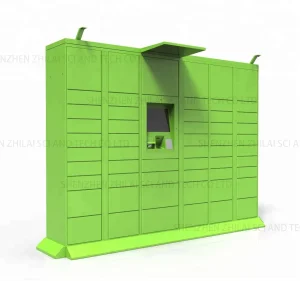
In addition, urban parcel delivery in dense city centers like Belgrade, Novi Sad, and Kragujevac has spurred the demand for last-mile infrastructure. Automated smart lockers equipped with robust outdoor PLC control systems and customized touch screens are being deployed in shopping centers, fuel stations, and residential districts. These smart lockers allow postal services like Pošta Srbije and private express carriers (D Express, Bex, City Express) to reduce delivery failures, reduce carbon footprints, and offer end-users flexible self-pickup capabilities.
Ensure seamless post-sorting processing, high-density secure bagging, and terminal parcel lockers customized for Serbian shipping profiles.
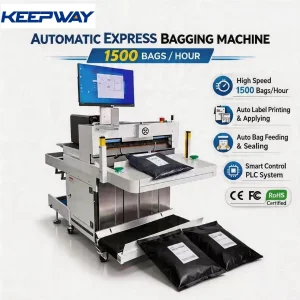
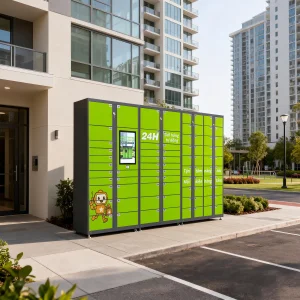
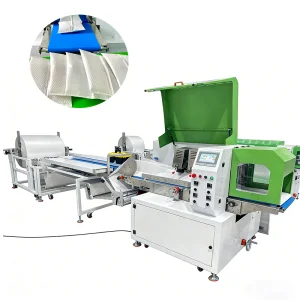
A strategic overview of industrial warehouse development trends and the Chinese manufacturing efficiency advantage.
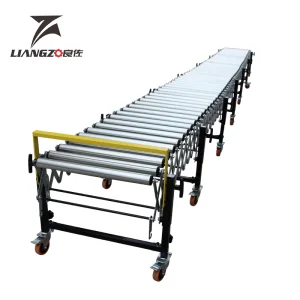
As logistics complexes scale globally, the technological roadmap is shifting towards software-driven hardware integration. In modern e-commerce sorting, static conveyors are giving way to intelligent modular matrixes, dynamic AGV/AMR fleets, and vertical robotic elevators. Industrial machinery must not only provide physical reliability but must also easily interface with Warehouse Management Systems (WMS) and Warehouse Control Systems (WCS) through standard API protocols (RESTful, MQTT, Modbus). At Shenzhen JK Logistics Co., Ltd., we prioritize structural modularity. This modular design ensures that whether you are installing a single telescopic conveyor or deploying a complex cross-belt sorting line, the system remains scalable and ready for future expansions.
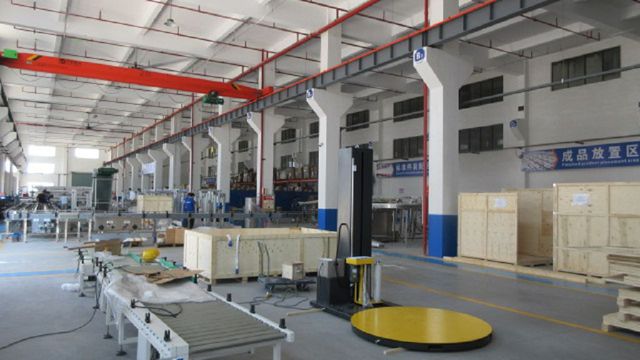
The manufacturing capabilities in Shenzhen, China, serve as a major driver for this technological deployment. With a highly integrated supply chain ecosystem, specialized raw material sourcing, and advanced assembly lines, Chinese factories produce logistics machinery that matches European performance metrics while offering significant cost efficiency. The integration of high-grade servo-drive systems, reliable PLC units (Siemens or Mitsubishi), and heavy-duty structural steel ensures that the machinery withstands round-the-clock sorting operations. Our production facilities maintain strict ISO9001 and CE certifications, assuring Serbian logistics operators that their imported machinery complies with European occupational safety and structural integrity standards.
Full support for WMS/WCS APIs, OPC UA industrial communication, and remote cloud diagnostic systems.
Easily expandable layout structures, allowing rapid hardware extensions without disrupting existing layouts.
Full CE certification, integrated safety light curtains, emergency stops, and SRPS-compliant configurations.
Key information regarding imports, technical integration, compliance, and custom configurations for Serbia-based operators.
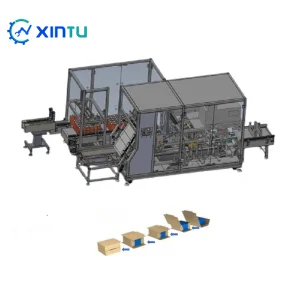
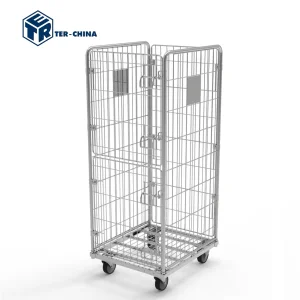
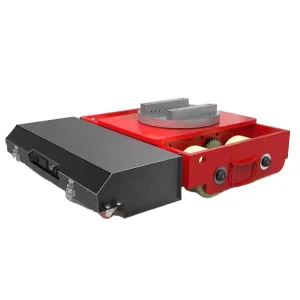
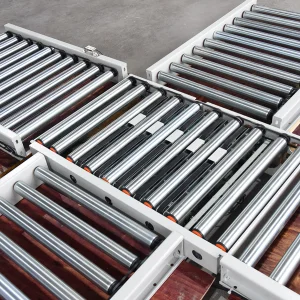
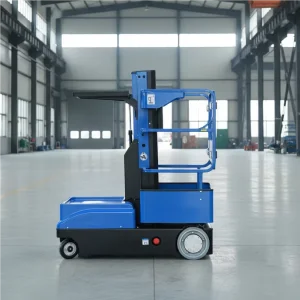
Complete your facility setup with heavy-duty material handling, automated packers, storage crates, and electric picker trolleys.
A leading globally recognized manufacturer of material handling and logistics automation infrastructures.
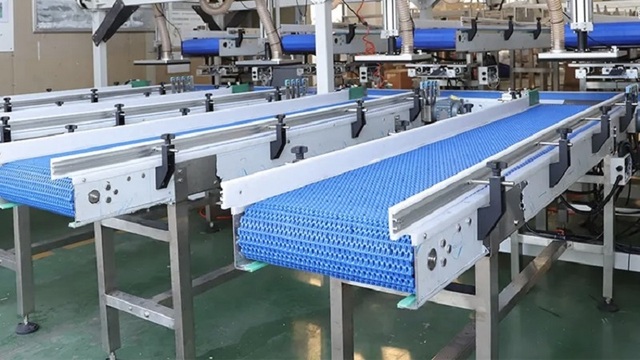
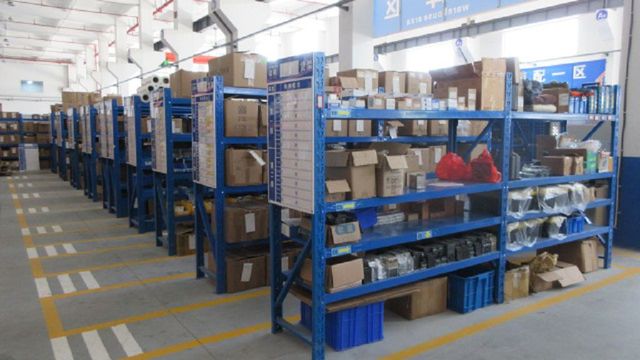
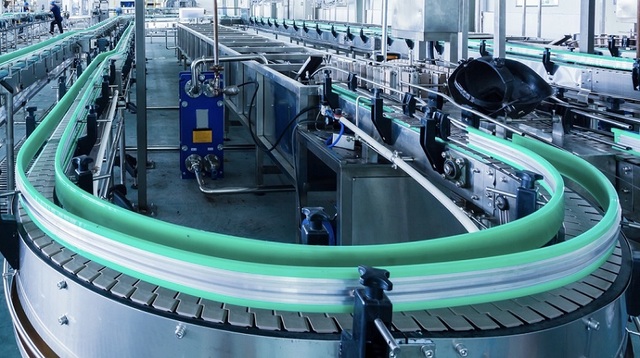
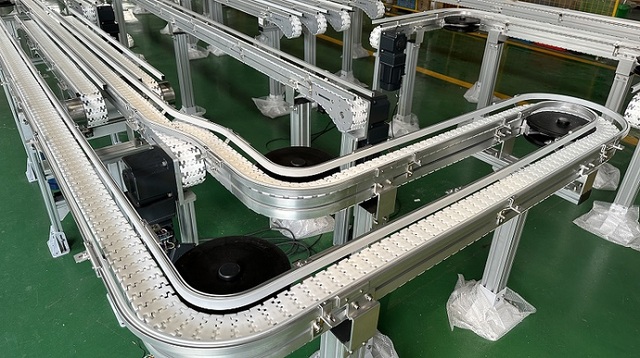
Shenzhen JK Logistics Co., Ltd. is a professional Warehouse Conveyor Systems Manufacturer specializing in material handling, sorting systems, and logistics automation solutions for modern warehouses, distribution centers, and industrial facilities. Based in Shenzhen, China, the company focuses on the development and production of intelligent automation equipment designed to improve operational efficiency, optimize material flow, and support the growing demands of global supply chains.
With extensive experience in warehouse and logistics automation, JK Logistics provides integrated solutions covering material handling systems, warehouse conveying equipment, automated sorting technologies, order fulfillment automation, pallet handling solutions, distribution center infrastructure, and smart logistics integration. These solutions are widely used in e-commerce fulfillment centers, retail distribution networks, third-party logistics operations, manufacturing facilities, and parcel processing hubs.
The company is committed to delivering reliable, scalable, and customized automation solutions that address the challenges of modern warehousing. Its engineering team collaborates closely with customers to analyze operational requirements, warehouse layouts, throughput objectives, and future expansion plans. By combining automation technology with practical logistics expertise, JK Logistics develops systems that improve productivity, reduce manual handling, enhance accuracy, and streamline warehouse operations.
Equipped with advanced manufacturing capabilities and comprehensive quality management processes, the company maintains strict standards throughout design, production, testing, and installation. Continuous investment in research and development enables JK Logistics to incorporate intelligent control technologies, data-driven automation, and flexible system integration into its solutions.
Serving customers across Asia, Europe, North America, South America, the Middle East, and other international markets, Shenzhen JK Logistics Co., Ltd. is dedicated to providing efficient warehouse conveyor systems and logistics automation solutions that help businesses improve operational performance, increase supply chain efficiency, and adapt to the evolving requirements of modern distribution and fulfillment environments.

 JK Logistics