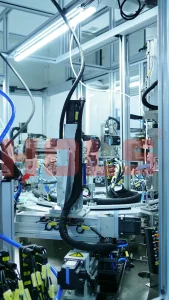
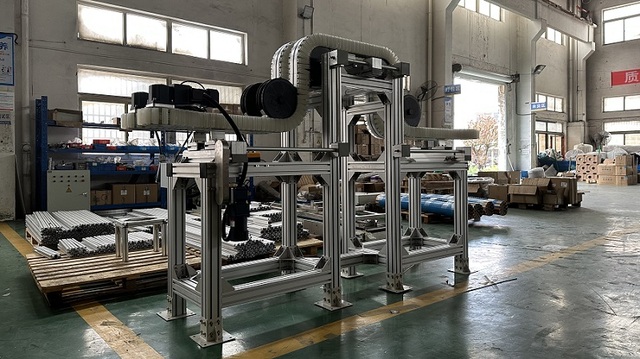
High-efficiency manufacturing & system integration production lines engineered for reliability, safety, and strict compliance with local operational environments.
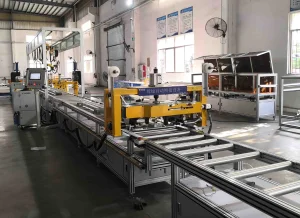
New Zealand’s power sector is undergoing a profound structural evolution. Anchored by the nation's ambitious legislative mandate to reach 100% renewable electricity generation by 2030 and a net-zero carbon economy by 2050, the pressure on the electricity distribution networks has reached historically unprecedented levels. Traditional grid layouts, which rely on centralized power generation and unidirectional energy flow, are proving insufficient under modern loads. The widespread integration of Distributed Energy Resources (DERs)—such as residential solar photovoltaics, localized battery storage, utility-scale wind farms, and the exponential rise of electric vehicle (EV) charging infrastructures—demands a paradigm shift toward active, automated, and intelligent grid management.
In New Zealand, the distribution sector is managed by 29 Electricity Distribution Businesses (EDBs), ranging from major urban network providers like Vector in Auckland and Orion in Christchurch to operators serving remote rural terrains like Powerco and Westpower. Each of these utilities faces unique geographic and environmental stress factors, including high seismic activity, intense wind loads, coastal salt spray, and isolated rural feeder lines. Implementing Distribution Line Automation (DLA) is no longer a luxury for grid resilience; it is a critical operational baseline. By deploying smart automatic circuit reclosers (ACRs), automated load break switches (LBSs), pole-mounted distribution switchgear, and advanced remote terminal units (RTUs), New Zealand utilities can dramatically reduce SAIDI (System Average Interruption Duration Index) and SAIFI (System Average Interruption Frequency Index) metrics.
"By deploying self-healing networks with Fault Location, Isolation, and Service Restoration (FLISR) capabilities, New Zealand EDBs can isolate feeder faults within milliseconds, protecting critical industrial dairy processing facilities, urban centers, and remote agricultural communities alike."
For international exporters and suppliers, entering the New Zealand grid ecosystem requires a sophisticated understanding of local commercial and technical nuances. The market demands highly robust, corrosion-resistant hardware combined with open-protocol software architectures (such as DNP3 over IP, IEC 61850, and IEC 60870-5-104) that interface seamlessly with legacy SCADA platforms. Furthermore, the procurement strategies of NZ utilities prioritize long-term asset lifecycle values, total cost of ownership (TCO), and carbon footprint tracking during the manufacturing process, making intelligent supply chain optimization and advanced production line automation essential criteria for any prospective vendor.
Bridging the gap between physical distribution hardware and digital intelligence for optimal grid reliability.
Enables real-time, automated fault isolation and network restoration, minimizing downtime in rural and rugged Kiwi landscapes.
Fully compliant with international communication standards for interoperable substation and distribution automation equipment.
Hardware built to withstand heavy earthquake activity (NZS 4219) and high-salinity maritime environments typical across NZ.
The automation of distribution lines is not merely a question of deploying smart reclosers along overhead power poles. It is a comprehensive technological matrix that spans from manufacturing precision to remote digital operations. The future roadmap of New Zealand distribution automation focuses on three primary pillars:
Modern distribution systems utilize decentralized intelligence at the feeder level. Instead of waiting for central SCADA systems to process fault telemetry and dispatch line crews, edge controllers mounted on distribution poles communicate peer-to-peer over high-speed cellular or mesh radio networks. This allows for dynamic load reconfiguration, voltage optimization (Conservation Voltage Reduction - CVR), and real-time phase balancing to handle the unpredictable output of distributed solar generation and the heavy loads of community EV charging clusters.
Substations act as the crucial nodes linking high-voltage transmission lines to medium-voltage distribution systems. Modernizing these nodes involves installing intelligent electronic devices (IEDs), non-conventional instrument transformers (NCITs), and gas-insulated switchgear (GIS) configured for environmentally friendly alternatives to SF6 gas, aligned with New Zealand’s environmental sustainability objectives. The production lines that manufacture these complex components must adhere to strict quality control, micro-tolerance welding, and comprehensive pressure-testing protocols.
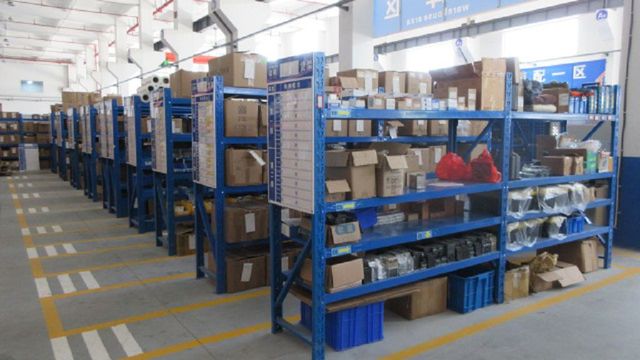
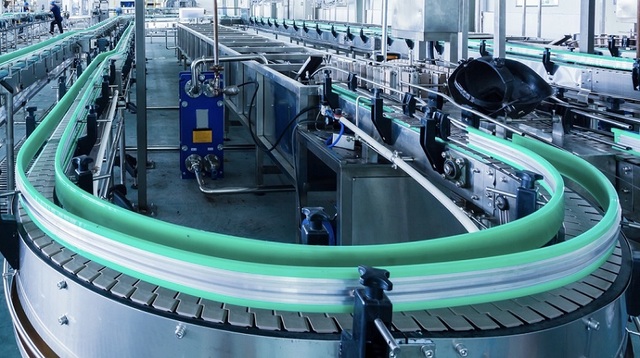
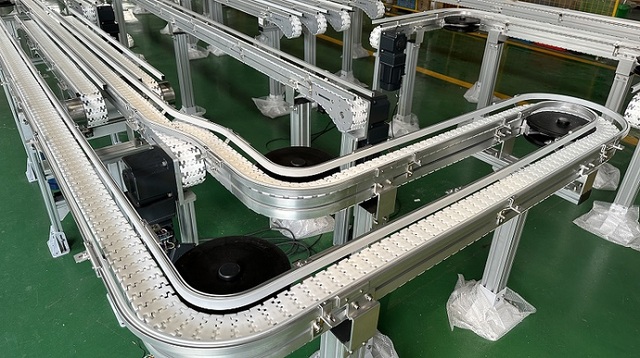
An often-overlooked factor in grid automation is the upstream supply chain. When storm events or natural disasters hit the islands, local grid operators rely on rapid access to replacement poles, switchgear, automated reclosers, transformers, and conductors. This is where high-load capacity warehouse logistics automation and smart conveyor sorting networks come into play. Seamless logistics integration at major utility storage hubs in Auckland, Tauranga, and Christchurch ensures that critical infrastructure equipment is deployed precisely when and where it is needed most.
Target Grid Reliability
Fault Isolation Latency
Ecological Standard Alignments
Supported Network Jurisdictions
To meet the soaring demands for infrastructure upgrades, New Zealand's utilities and engineering procurement firms must leverage the manufacturing powerhouse of China’s Industry 4.0 smart factories. Sourcing grid automation hardware and warehouse logistics systems from leading industrial centers like Shenzhen enables New Zealand buyers to achieve high structural margins, strict technical precision, and reliable lead times.
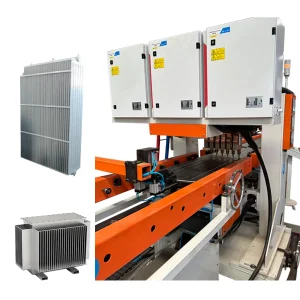
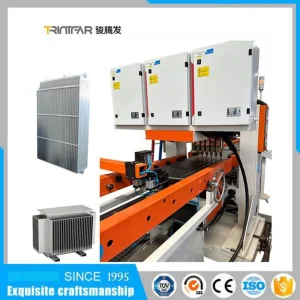
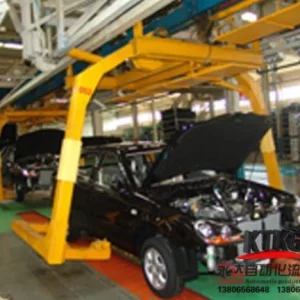
By integrating advanced production line robotics, laser-guided welding systems, automated quality testing benches, and real-time digital twin monitoring throughout the manufacturing process, Chinese exporters can deliver highly customized equipment built exactly to New Zealand standards. The use of automated production systems (such as specialized radiator fin welding lines for oil-immersed power transformers and automated PCB assembly lines for smart actuators) ensures consistent product quality and eliminates the manual manufacturing variances that can lead to early-stage equipment failures in the field.
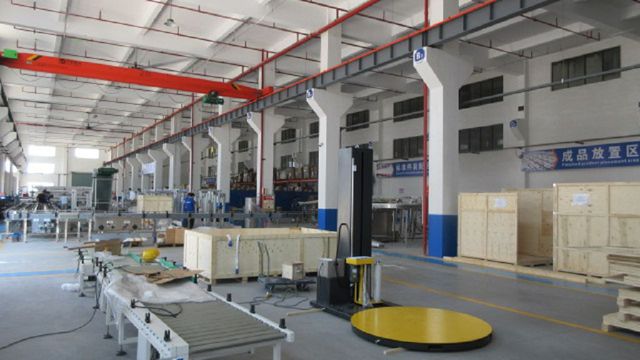
Furthermore, robust supply chain planning—supported by intelligent warehouse conveyors and automated sorting equipment—enables streamlined shipping logistics. Exporters can package, track, and dispatch complex heavy-duty grid equipment from major shipping hubs like the Port of Shenzhen directly to key New Zealand maritime entries (Auckland, Tauranga, Lyttelton), maintaining transparency and predictability in project timelines.
Shenzhen JK Logistics Co., Ltd. is a professional Warehouse Conveyor Systems Manufacturer specializing in material handling, sorting systems, and logistics automation solutions for modern warehouses, distribution centers, and industrial facilities. Based in Shenzhen, China, the company focuses on the development and production of intelligent automation equipment designed to improve operational efficiency, optimize material flow, and support the growing demands of global supply chains.
With extensive experience in warehouse and logistics automation, JK Logistics provides integrated solutions covering material handling systems, warehouse conveying equipment, automated sorting technologies, order fulfillment automation, pallet handling solutions, distribution center infrastructure, and smart logistics integration. These solutions are widely used in e-commerce fulfillment centers, retail distribution networks, third-party logistics operations, manufacturing facilities, and parcel processing hubs.
The company is committed to delivering reliable, scalable, and customized automation solutions that address the challenges of modern warehousing. Its engineering team collaborates closely with customers to analyze operational requirements, warehouse layouts, throughput objectives, and future expansion plans. By combining automation technology with practical logistics expertise, JK Logistics develops systems that improve productivity, reduce manual handling, enhance accuracy, and streamline warehouse operations.
Equipped with advanced manufacturing capabilities and comprehensive quality management processes, the company maintains strict standards throughout design, production, testing, and installation. Continuous investment in research and development enables JK Logistics to incorporate intelligent control technologies, data-driven automation, and flexible system integration into its solutions.
Serving customers across Asia, Europe, North America, South America, the Middle East, and other international markets, Shenzhen JK Logistics Co., Ltd. is dedicated to providing efficient warehouse conveyor systems and logistics automation solutions that help businesses improve operational performance, increase supply chain efficiency, and adapt to the evolving requirements of modern distribution and fulfillment environments.
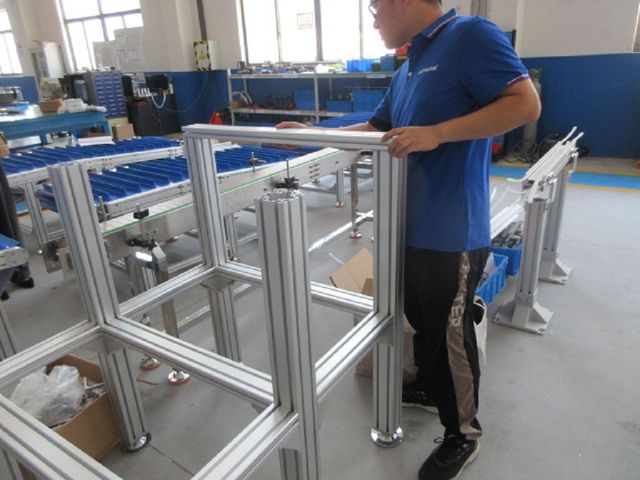
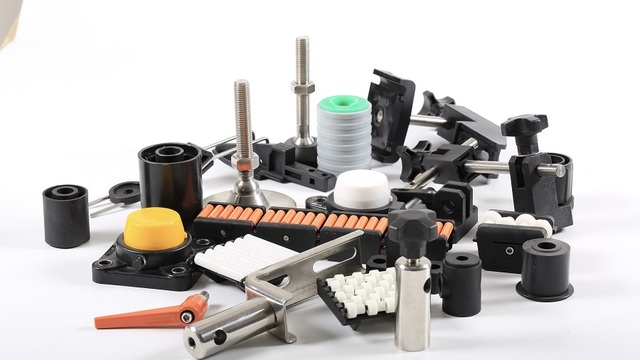

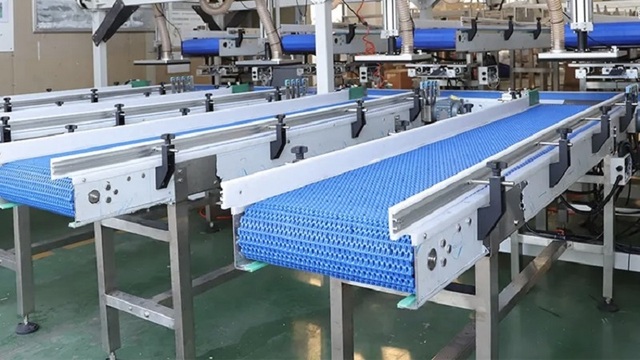
The regulatory terrain in New Zealand's electricity sector is governed strictly by the Electricity Authority (EA) and the Commerce Commission, with technical standards monitored closely by WorkSafe NZ. Any distribution automation hardware or software integrated into local networks must meet rigorous engineering requirements to prevent safety hazards and environmental contamination.
Equipment imported into New Zealand must be designed and certified to meet relevant AS/NZS (Australian/New Zealand Standards) guidelines. These include key directives such as AS/NZS 3000 (Electrical Installations / Wiring Rules), AS/NZS 60079 (for explosive atmospheres where switchgear may be located near petrochemical lines), and specific structural standards like NZS 4219 (Seismic Performance of Engineering Systems in Buildings and Substations). High-voltage testing, insulation coordination, and electromagnetic compatibility (EMC) compliance are non-negotiable prerequisites.
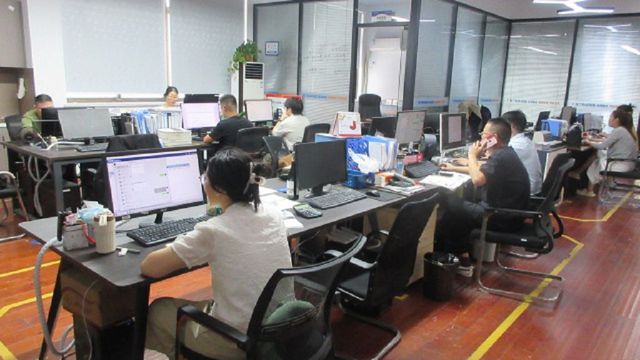
To ensure smooth installation and operations, overseas suppliers must offer comprehensive local engineering support models. This includes remote diagnostics, modular spare parts depots strategically situated near transport corridors, and structured technical training programs for local New Zealand line workers and field technicians. By establishing strong communication bridges between Chinese manufacturing hubs and New Zealand project managers, deployment risks are minimized and grid asset lifespans are maximized.
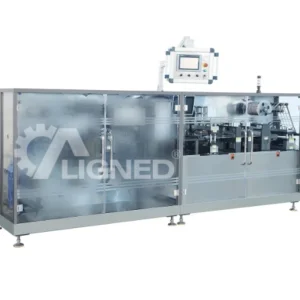
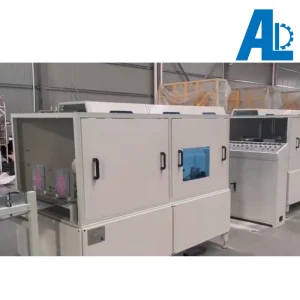
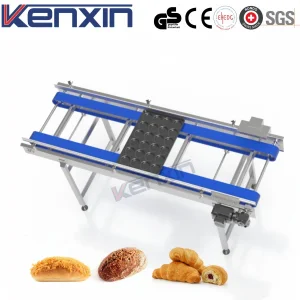
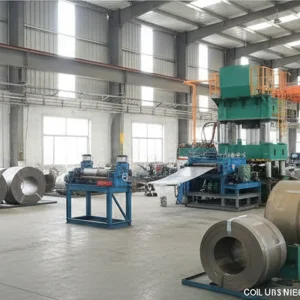
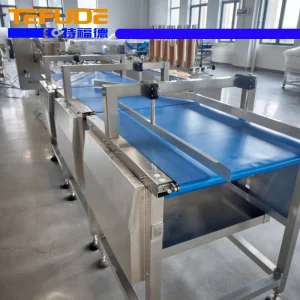
A comprehensive selection of production machinery, conveyors, and components supporting global utility and industrial operations.
Key technical and operational insights regarding grid distribution automation and logistics infrastructure in New Zealand.
 JK Logistics