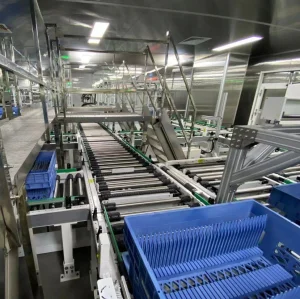
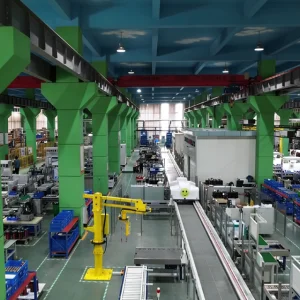
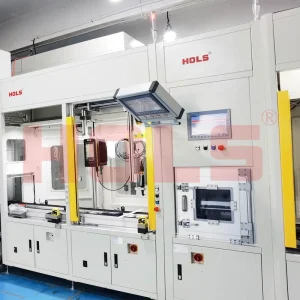
Explore our flagship industrial workflows, engineered for high-capacity parcel routing, precise measurement, and automated transport.
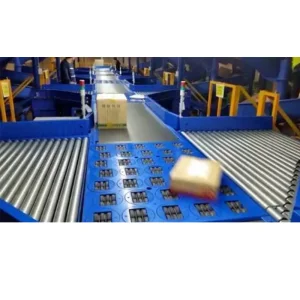
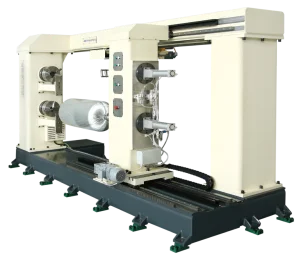
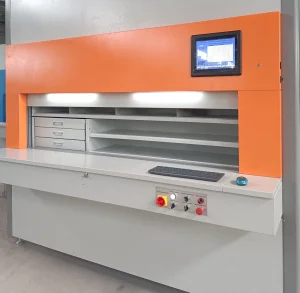
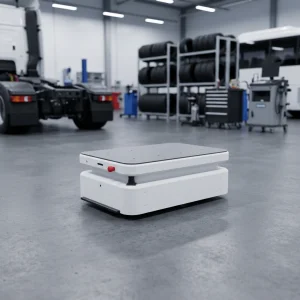
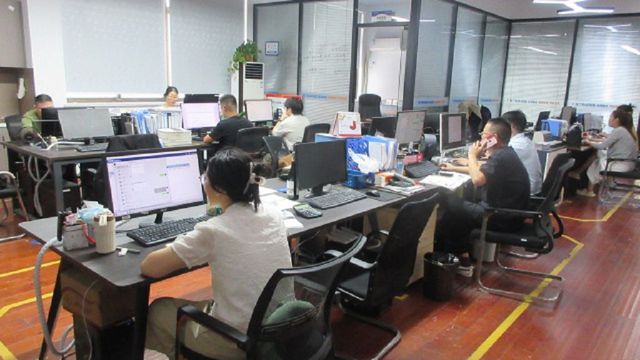
Shenzhen JK Logistics Co., Ltd. is a prominent, professional Warehouse Conveyor Systems Manufacturer specializing in the engineering, design, and manufacturing of material handling, sorting systems, and comprehensive logistics automation solutions. Our advanced product ecosystem is purpose-built to empower modern warehouses, distribution centers, and high-throughput industrial facilities. Based in Shenzhen, China's Silicon Valley of manufacturing and hardware innovation, the company centers its mission on developing intelligent automation equipment. This hardware and software combination optimizes operational efficiency, minimizes bottlenecks, streamlines complex material flows, and supports the evolving demands of global supply chains.
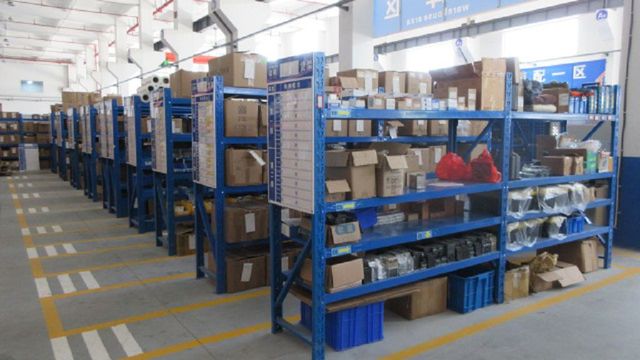
Backed by decades of domain expertise in warehouse layouts and smart logistics, JK Logistics offers a fully integrated suite of solutions. This ranges from basic material handling conveyances and high-speed automated sorting technologies to complex order fulfillment processes, automated pallet solutions, and complete distribution center infrastructure. Our equipment has seen extensive deployment in multi-national e-commerce fulfillment hubs, large-scale retail distribution networks, third-party logistics (3PL) providers, manufacturing facilities, and international parcel sorting nodes.
Procurement leaders inside Fortune 500 logistics, FMCG, and automotive conglomerates no longer source standalone machinery. The contemporary procurement landscape is dominated by the demand for integrated, scalable, and modular automation. As labor markets tighten and consumer demand patterns shift rapidly, businesses seek workflow solutions that offer rapid ROI, minimal downtime, and direct compatibility with existing Enterprise Resource Planning (ERP) and Warehouse Management Systems (WMS).
In North American and European corridors, procurement focus has shifted towards reducing total cost of ownership (TCO) and maximizing floor-space utilization. Consequently, solutions like vertical carousels, autonomous mobile robots (AMRs), and flexible boom conveyors have surged in adoption. In emerging markets across South America, the Middle East, and Asia-Pacific, the key driver is expanding capacity at pace. Manufacturers from China like JK Logistics satisfy these distinct demands by offering customized OEM/ODM services, supplying components built to withstand high operational stresses while adhering strictly to international safety and structural standards.
Automation must be tailored to the operational realities of specific industries. Standardized conveying systems rarely achieve optimal performance without industry-specific parameter adjustments:
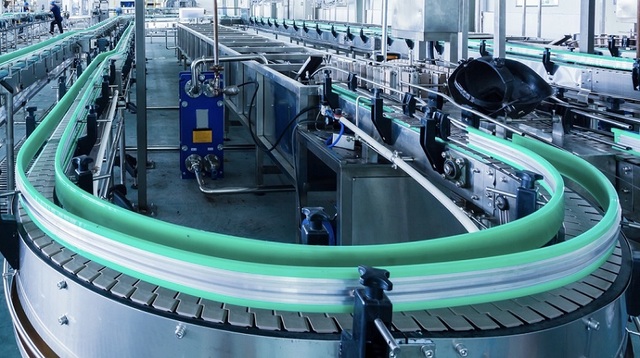
The next decade of logistics automation will be defined by software-defined hardware. JK Logistics' research and development roadmap focuses on incorporating smart sensor arrays, machine vision, and real-time edge processing directly into our physical conveyor networks. By using smart control nodes on conveyor segments, systems can dynamically self-adjust belt speeds and parcel gaps, reducing energy use and mechanical wear.
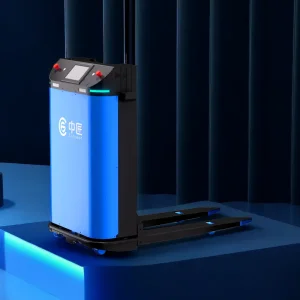
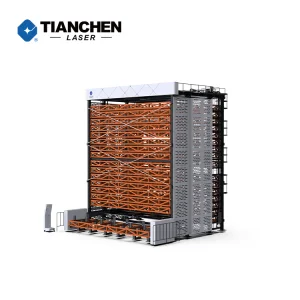
Furthermore, the deployment of AMRs (Autonomous Mobile Robots) with 1000W traction engines and latent lifting mechanisms represents a shift from fixed conveyor systems to dynamic, flexible paths. When integrated with vertical carousel systems, warehouses transition from static storage units to active, self-sorting, high-density hubs. These engineering developments ensure that any facility using JK Logistics solutions can easily scale its operations up or down as demand changes.
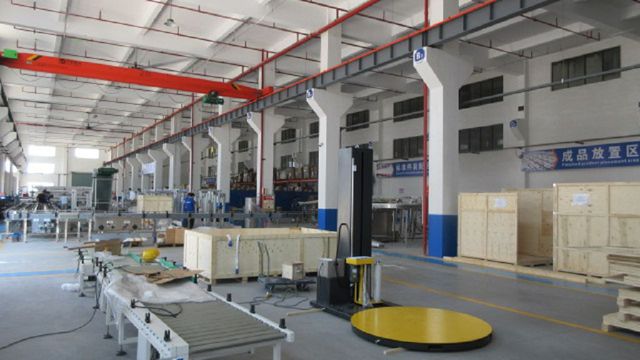
Our manufacturing plants utilize advanced metal fabrication, precise laser-cutting machinery, and automated welding cells to maintain strict quality standards. Continuous investment in research and development allows us to incorporate data-driven automation, smart control software, and flexible integration protocols into every custom system we deliver.
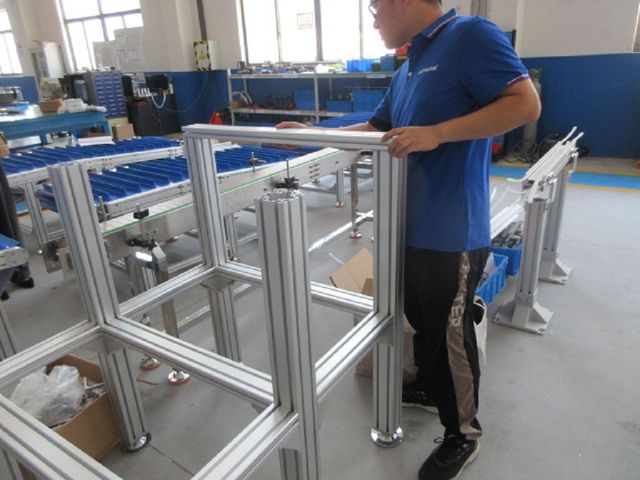
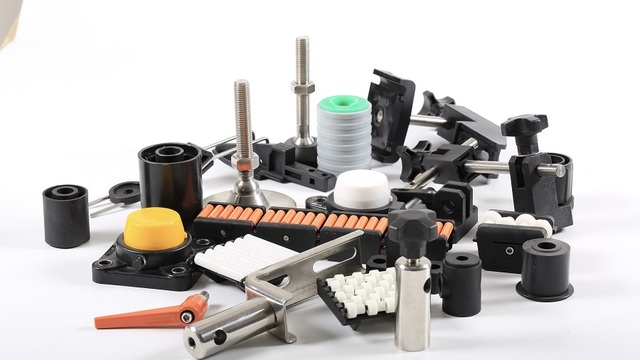
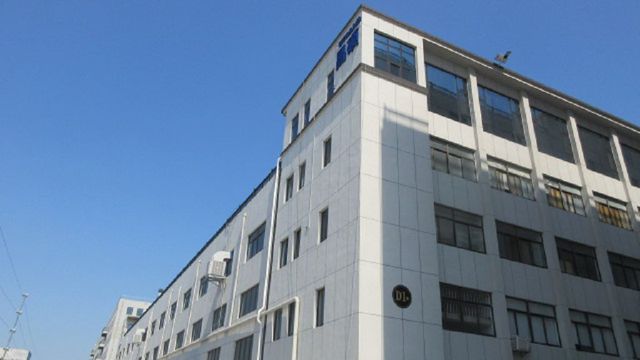
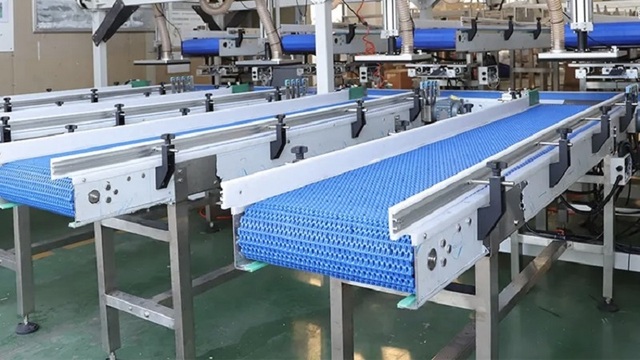
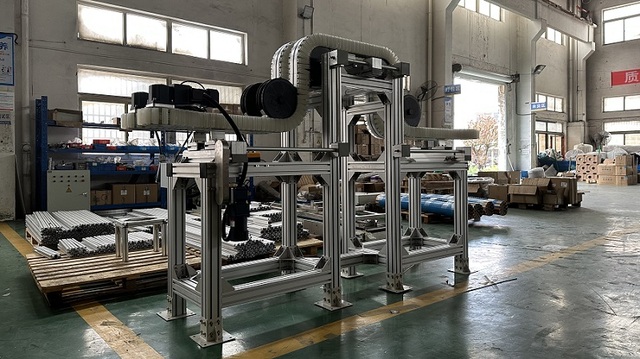
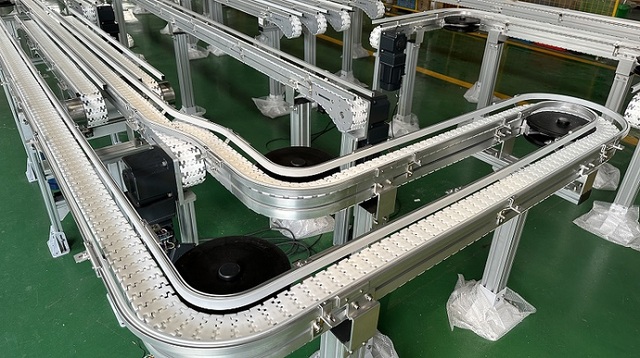
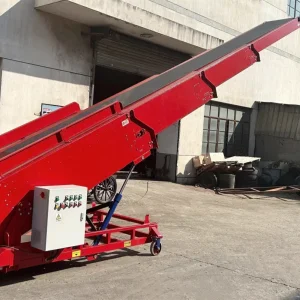
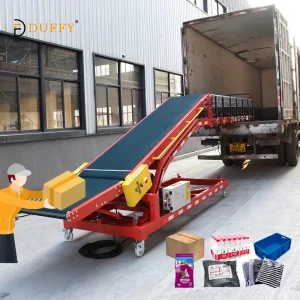
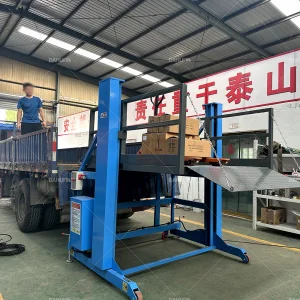
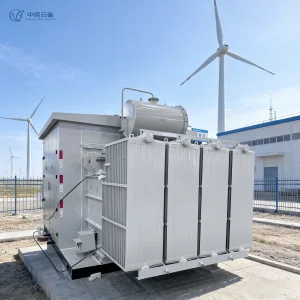
Deploying complex mechanical systems globally requires strict compliance with regional standards and codes. Every system designed by JK Logistics complies with relevant international directives, such as the CE Certification for European markets, UL regulations for North American electrical components, and ISO 9001 quality management procedures. Our container loading ramps, vertical carousels, and electrical compact substations undergo load, structural, and thermal testing before shipping.
Beyond manufacturing, we offer field support via engineering partners across Asia, Europe, and the Americas. From initial site measurements and CAD layout reviews to on-site testing, installation guidance, and WCS integration, our technicians ensure projects transition smoothly from shipment to active operations.
Our engineering team uses 3D CAD modeling to adapt the physical conveyor frame to your building's columns and clearance limits. We configure the system's layout, carrier sizes, and chute locations to match your sorting volume and space constraints.
Our systems support standard industrial protocols, including Modbus TCP, Profinet, and EtherNet/IP. These standard interfaces allow them to connect directly with your WCS (Warehouse Control System) and WMS (Warehouse Management System).
The AMR uses onboard sensors to monitor torque, load distribution, and center of gravity. The control system adjusts acceleration and deceleration curves in real-time, helping to prevent tip-overs and protect cargo while keeping travel speeds efficient.
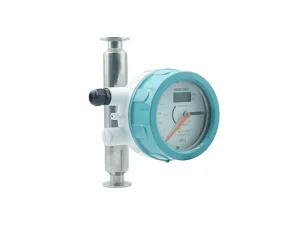
Our rotameters and flow meters go through multi-point pressure calibration and leak testing. We calibrate accuracy to ±1% tolerances and use certified materials (like Grade 316 Stainless Steel) to meet demanding industrial specifications.
We supply detailed installation drawings, wiring plans, and remote software setup assistance. For large installations, we can dispatch field engineers to supervise mechanical setup, calibrate sensors, and train local staff on maintenance.
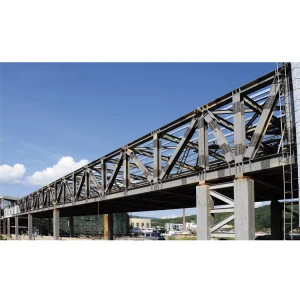
Heavy machinery, modular assembly setups, electrical substations, and loading platform solutions for manufacturing environments.
 JK Logistics