In the era of hyper-globalization, volatile consumer demands, and unpredictable macroeconomic disruptions, traditional static warehouse layout models are no longer sufficient. Modern Logistics Network Design (LND) has evolved from basic storage planning into a highly complex, dynamic, and multi-echelon network optimization field. High-performing supply chains require an integration of software modeling (Digital Twins) and robust, flexible automation hardware on the plant floor.
Industrial decision-makers now recognize that physical distribution centers are the nodes that link raw material extraction, high-efficiency manufacturing, and final-mile distribution. Designing these networks requires an intricate understanding of throughput capacities, sorting cycle times, and structural bottlenecks. When selecting top-tier logistics suppliers and manufacturing plants, global corporations look past simple catalog items; they seek engineering partners capable of deploying integrated ecosystems, starting from automated transport mechanisms to precise sorting equipment.
Utilizing high-end digital twins to model potential bottlenecks, traffic congestion in storage aisles, and system reaction limits before physical deployment.
Aligning manufacturing nodes with central hubs and regional centers to minimize total landed cost while meeting stringent customer SLAs.
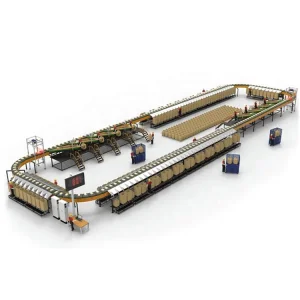
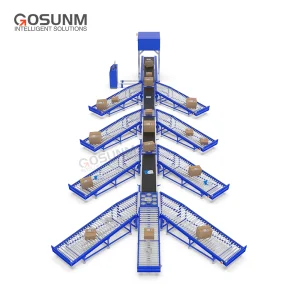
Employing high-speed sorting lanes, dynamic routing conveyors, and real-time WCS interfaces to adjust material flow instantly.
Shenzhen JK Logistics Co., Ltd. is a professional Warehouse Conveyor Systems Manufacturer specializing in material handling, sorting systems, and logistics automation solutions for modern warehouses, distribution centers, and industrial facilities. Based in Shenzhen, China, the company focuses on the development and production of intelligent automation equipment designed to improve operational efficiency, optimize material flow, and support the growing demands of global supply chains.
With extensive experience in warehouse and logistics automation, JK Logistics provides integrated solutions covering material handling systems, warehouse conveying equipment, automated sorting technologies, order fulfillment automation, pallet handling solutions, distribution center infrastructure, and smart logistics integration. These solutions are widely used in e-commerce fulfillment centers, retail distribution networks, third-party logistics operations, manufacturing facilities, and parcel processing hubs.
The company is committed to delivering reliable, scalable, and customized automation solutions that address the challenges of modern warehousing. Its engineering team collaborates closely with customers to analyze operational requirements, warehouse layouts, throughput objectives, and future expansion plans. By combining automation technology with practical logistics expertise, JK Logistics develops systems that improve productivity, reduce manual handling, enhance accuracy, and streamline warehouse operations.
Equipped with advanced manufacturing capabilities and comprehensive quality management processes, the company maintains strict standards throughout design, production, testing, and installation. Continuous investment in research and development enables JK Logistics to incorporate intelligent control technologies, data-driven automation, and flexible system integration into its solutions.
Serving customers across Asia, Europe, North America, South America, the Middle East, and other international markets, Shenzhen JK Logistics Co., Ltd. is dedicated to providing efficient warehouse conveyor systems and logistics automation solutions that help businesses improve operational performance, increase supply chain efficiency, and adapt to the evolving requirements of modern distribution and fulfillment environments.
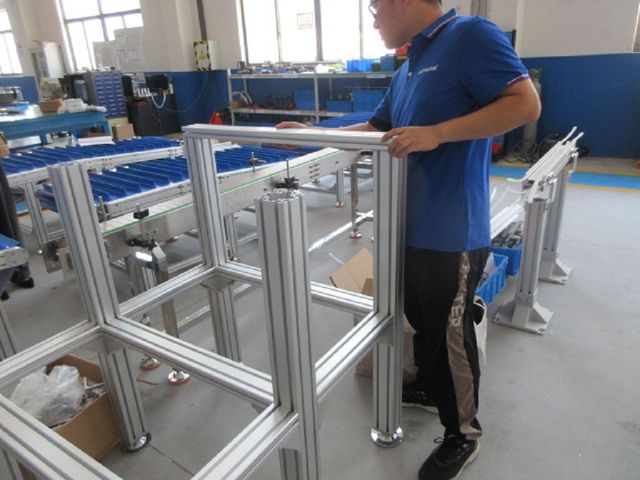
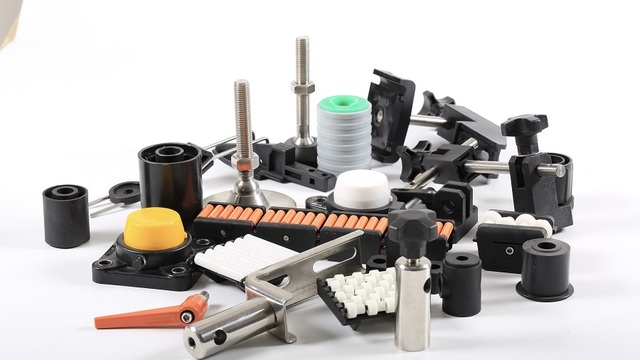

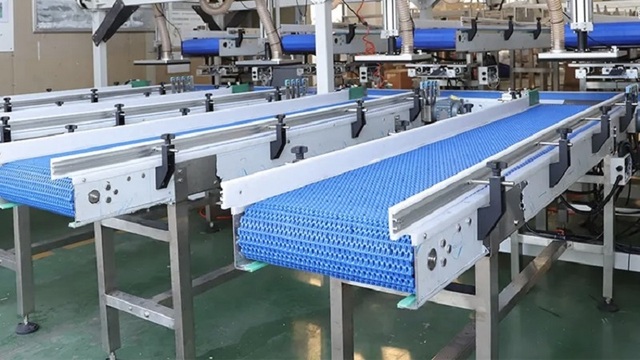
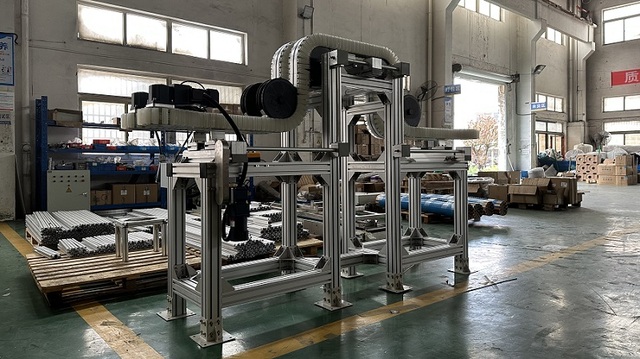
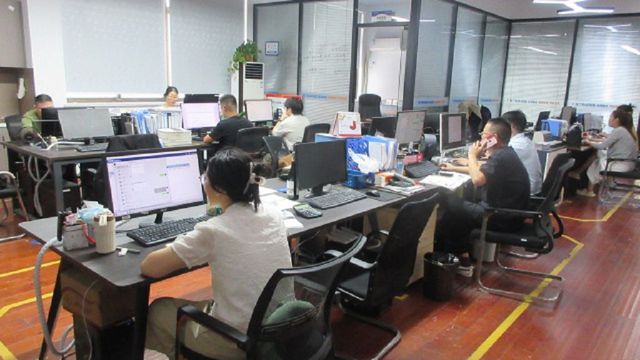
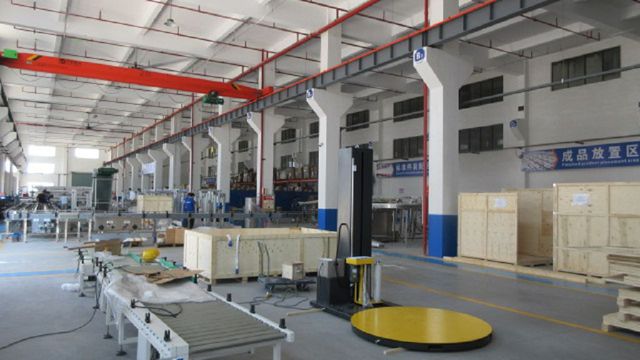
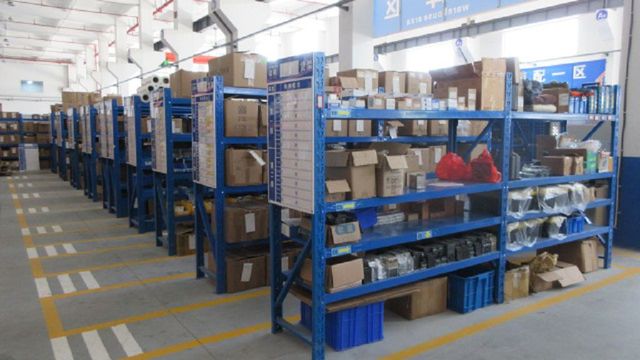
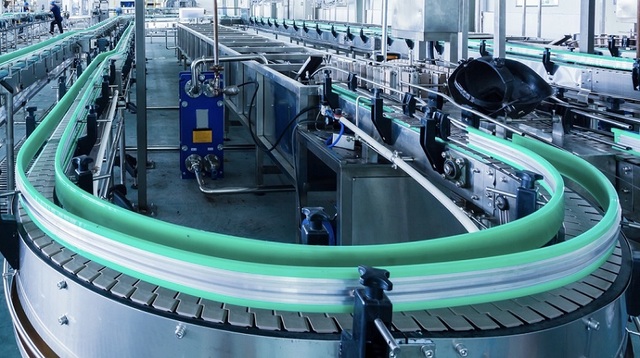
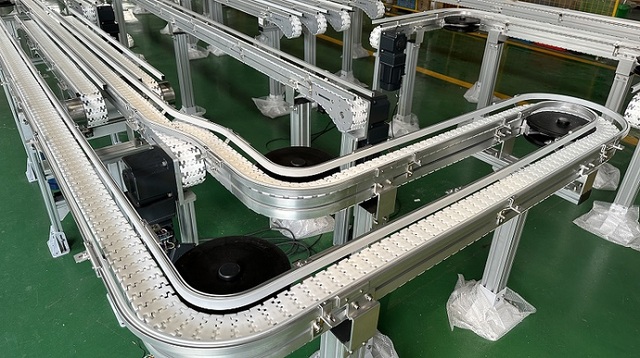
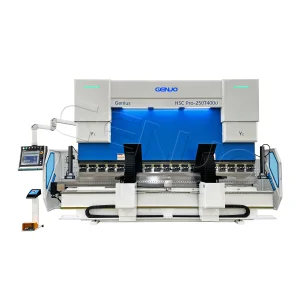
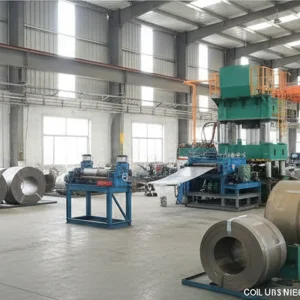
The global manufacturing paradigm has shifted. China’s logistics equipment factories have transitioned from high-volume manufacturing hubs to global centers of Factory 4.0 technology. By integrating Industrial IoT (IIoT), automated press brake cells, laser-welded structural components, and strict modular design principles, suppliers now deliver systems that match or exceed Western engineering benchmarks while offering significant capital expenditure (CAPEX) advantages.
This integration of smart manufacturing technologies translates to key capabilities:
Access to complete local component supply chains allows Chinese factories to customize conveyor lengths, sorting chutes, and heavy-duty frame structures within weeks instead of months.
Utilizing high-precision digital instruments, flow measurements, and robotic assembly cells to guarantee long-term operational uptime and structural integrity.
Developing pre-wired, standardized modular frames that reduce on-site installation time, enabling quick vertical integration with existing customer structures.
The convergence of physical hardware and cloud algorithms is shaping the next decade of material handling. Advanced warehouse networks no longer treat systems as isolated components, but as a coordinated fleet. Key technologies driving this transformation include:
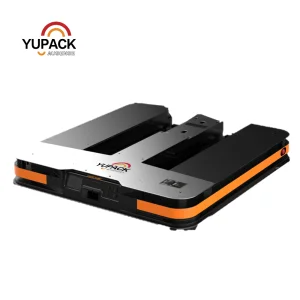
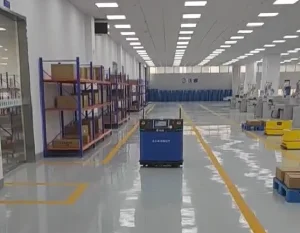
Moving from fixed-path AGVs to dynamic LiDAR-guided Autonomous Mobile Robots (AMRs) that adjust routes in real time based on path congestion.
Using cameras at sorting stations to read damaged 1D/2D barcodes, calculate volume (DWS), and recognize packaging anomalies instantly.
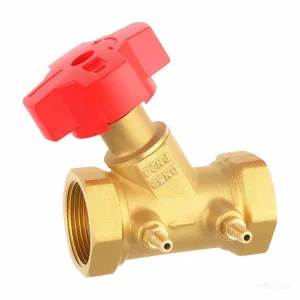
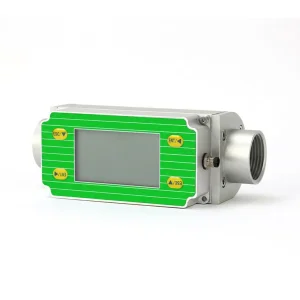
Using balance valves and digital flow meters to manage the heating, cooling, and safety of large-scale automated warehousing ecosystems.
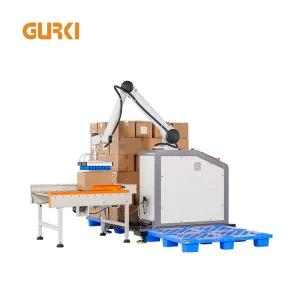
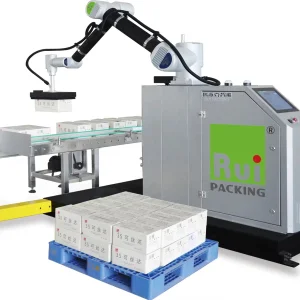
Replacing bulky industrial robots with collaborative systems that safely work alongside humans in tight regional hubs.
Every industry faces distinct constraints in its distribution channels. Top network suppliers develop targeted solutions that address the specific operational requirements of each sector:
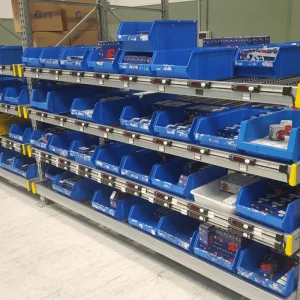
Requires cross-belt sorting systems capable of handling up to 10,000 parcels per hour, dynamic order consolidation, and integration with Pick-to-Light racks for optimized split-case fulfillment.
Requires components designed for sub-zero temperatures, condensation-resistant materials, and specialized monitoring valves to maintain temperature compliance throughout the storage cycle.
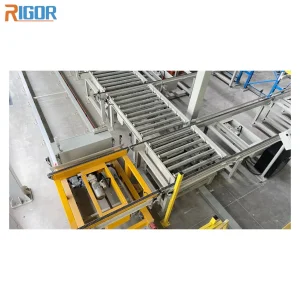
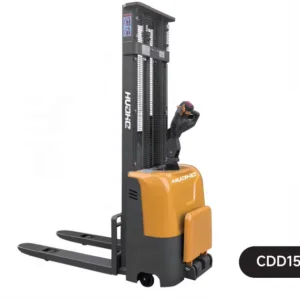
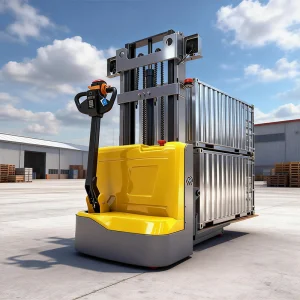
Requires high-payload chain conveyors, heavy pallet stacker trucks, and robust AGVs to move components between raw material yards and automated assembly stations.
Deploying material handling equipment globally requires strict adherence to international safety and engineering regulations. High-tier suppliers build systems that comply with local guidelines, including CE certifications for Europe, UL/OSHA standards for North America, and local environmental standards.
Additionally, reliable suppliers establish regional service networks and remote support systems to ensure prompt resolution of mechanical and software issues. By providing spare parts, remote technical support via virtual private networks (VPN), and localized training programs, modern factories help global procurement teams minimize operational risks and protect their investments.
Use the following checklist to evaluate potential logistics network design factories and equipment suppliers during your procurement process:
| Evaluation Parameter | Critical Criteria | Target Benchmark |
|---|---|---|
| Mechanical Engineering Standards | Steel grade specifications, laser cutting tolerances, and surface finishing quality. | ISO 9001 certified processes, CE and UL compliance certifications. |
| Automation Compatibility | Interface capability with major WCS, WMS, and ERP systems (e.g. SAP, Oracle). | Open API integration, OPC UA support, Modbus/Profibus support. |
| Lifecycle Support & Safety | Warranty terms, remote diagnostic capabilities, and availability of regional field engineers. | 24/7 remote technical support, guaranteed spare parts availability for 10+ years. |
| Throughput & Accuracy | Maximum sorting speeds, payload limits, and reading accuracy. | >3,000 parcels/hour per line, 99.9% read-rate accuracy. |
 JK Logistics