In an era dominated by hyper-speed e-commerce, global supply chain volatility, and shifting labor dynamics, the demand for sophisticated Integrated Warehouse Systems (IWS) has surged to unprecedented heights. Once characterized by standalone manual processes, modern warehouse operations now leverage complex, interconnected hardware and software ecosystems to drive throughput, minimize errors, and optimize spatial footprints. True optimization is no longer just about storage; it is about motion, intelligence, and data synchronization.
This comprehensive industry analysis evaluates the global supplier landscape, with a deep focus on key technological trends, the structural advantages of Chinese manufacturing hubs, and how engineering pioneers like Shenzhen JK Logistics Co., Ltd. are restructuring supply chain capabilities across Asia, Europe, and the Americas.
China has long moved past simple cost-efficiency; today, its industrial hubs—particularly the high-tech ecosystems of Shenzhen and Guangdong—lead global R&D in industrial automation, sensor systems, and smart mechanical design. The physical integration of IoT components, high-precision steel fabrication, and advanced control systems under one manufacturing roof provides several clear competitive advantages for global procurement teams:
Shenzhen JK Logistics Co., Ltd. stands as a premier example of this paradigm. Operating from Shenzhen's technology center, the company develops and manufactures customized conveying equipment, automated sorting technologies, and order fulfillment systems. By integrating local high-speed electronics development with rigorous physical quality management, they provide global markets with highly reliable, scalable solutions.
The warehouse automation sector is undergoing rapid transformation, propelled by technological advances and sustainability demands. Procurement and operations directors should monitor these critical trends closely when designing new facilities or upgrading existing hubs:
Dimensioning, Weighing, and Scanning (DWS) systems are shifting from simple barcode scanners to AI-driven computer vision. These modern systems analyze parcel volume, identify packaging damage, and optimize flow dynamically on the belt.
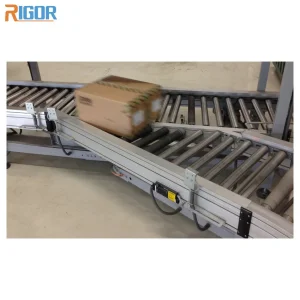
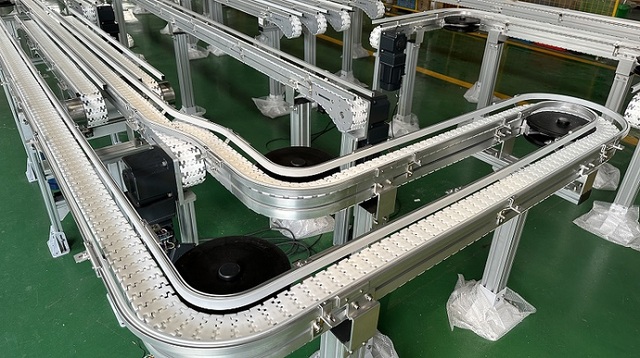
Fixed, rigid conveyor lines are giving way to modular architectures. Components like spiral vertical conveyors and plug-and-play smart merge conveyor modules allow rapid reconfiguration as business requirements shift.
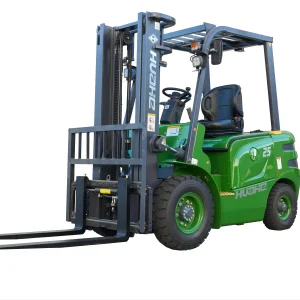
From lithium-powered all-terrain forklifts to energy-saving robotic palletizers, modern facilities prioritize systems with low power consumption and high regenerative efficiency, saving significant long-term operating costs.
Every distribution network has unique constraints depending on geography, product profiles, and volume. Implementing an effective integrated system requires mapping the right technology to the specific localized operational scenario:
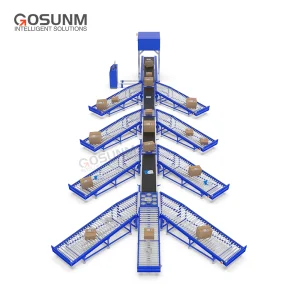
In micro-fulfillment and regional sorting centers, speed and parcel categorization are the dominant metrics. Here, high-speed Automated DWS Weigh Belt Conveyors running at adjustable speeds are paired with Smart Merge Conveyors. This combination ensures that parcels coming from different picking zones merge seamlessly into primary sortation loops without collisions, reaching throughput speeds exceeding 3,000 units per hour.
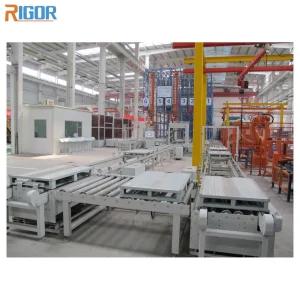
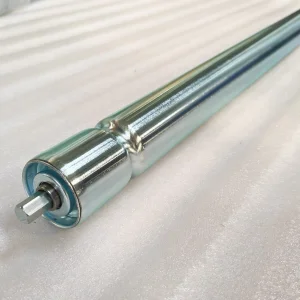
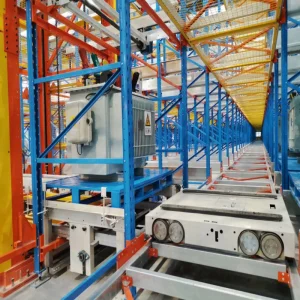
For industrial manufacturers handling heavy raw materials or bulky finished goods, the focus shifts to load stability and capacity. This scenario is best served by Siemens PLC Controlled Radio Shuttle Systems working in tandem with heavy-duty Advanced Roller Conveyors. These radio shuttles slide deep into racking structures to store and retrieve loads up to 2,000kg with minimal human intervention, maximizing storage density while protecting fragile inventory.
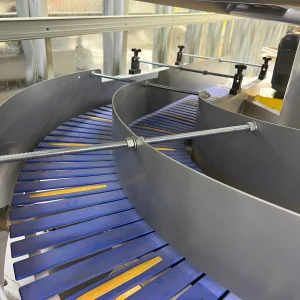
Urban micro-hubs face severe space constraints, rendering traditional horizontal conveyors impractical. To bypass this, operators implement Modular Spiral Conveyors for efficient vertical material flow. Elevating or lowering products across mezzanine levels using spiral geometries saves up to 60% of floor space compared to incline conveyor ramps.

Purchasing integrated warehouse machinery from overseas factories demands strict due diligence. Global procurement officers must look beyond purchase price and focus on integration compatibility, regulatory alignment, and lifetime support costs. Here is a baseline technical evaluation checklist:
Ensure the system utilizes globally accessible controller units (such as Siemens, Beckhoff, or Allen-Bradley). This allows local technicians to perform routine updates and troubleshoot code without waiting for overseas support.
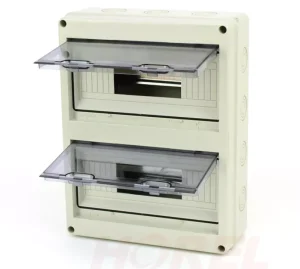
Confirm certifications (CE, UL, FCC) match the destination country's safety and electrical grid protocols. Indoor power distribution networks and custom control boxes must use robust materials with high ingress protection (IP) ratings.
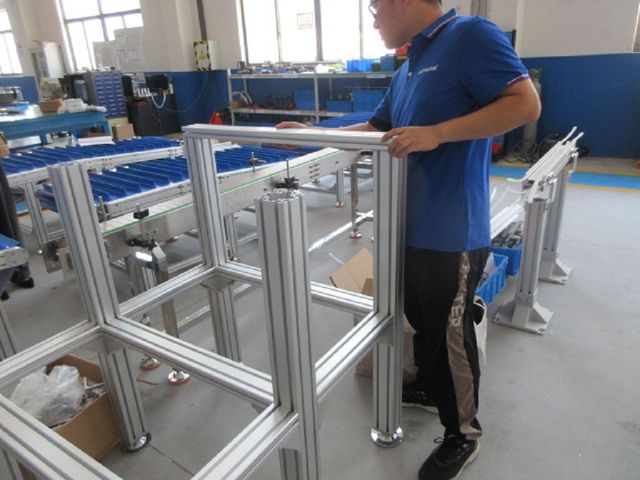
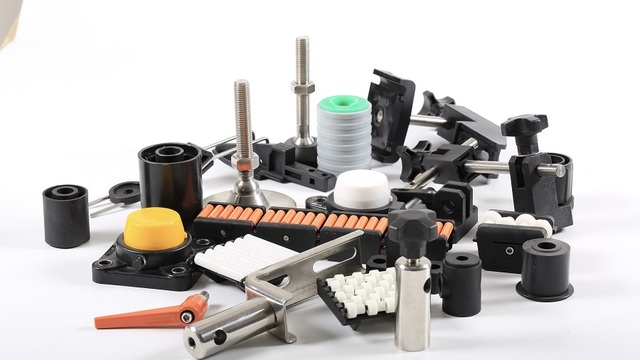
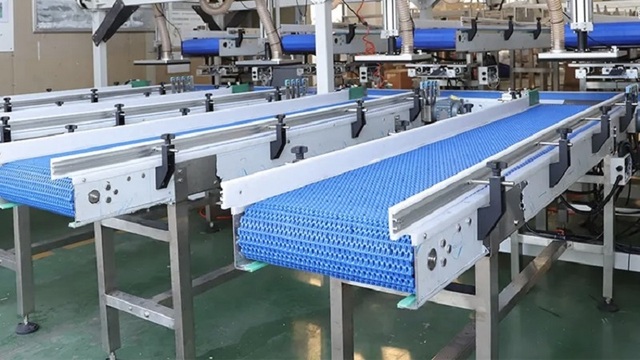
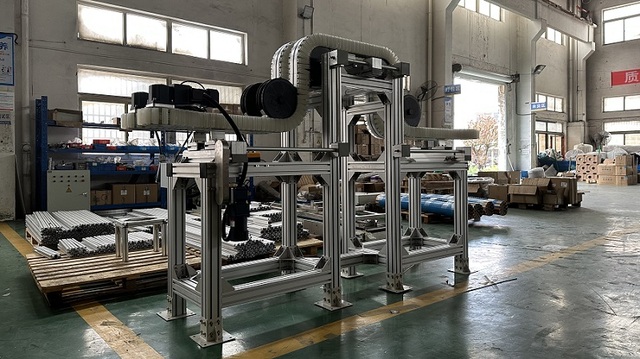
Insist on modular frame structures. Standardized structural components, like V-grooved drive rollers and drop-in o-ring belts, reduce spares inventory and accelerate replacements when wear occurs.

 JK Logistics