Explore high-performance material handling, robotic controls, and power distribution modules engineered for smart logistics networks.
The global logistics landscape is undergoing a paradigm shift driven by e-commerce acceleration, labor shortages, and the critical need for operational resilience. Automated Inventory Systems (AIS) and Automated Storage and Retrieval Systems (ASRS) have evolved from luxury capital expenditures into vital infrastructure components. Modern warehouses demand precision, high throughput, and seamless integration between physical hardware and digital software architectures.
Shenzhen JK Logistics Co., Ltd. stands as a professional Warehouse Conveyor Systems Manufacturer specializing in material handling, sorting systems, and logistics automation solutions for modern warehouses, distribution centers, and industrial facilities. Based in the global technology and electronics manufacturing hub of Shenzhen, China, the company focuses on the development and production of intelligent automation equipment designed to improve operational efficiency, optimize material flow, and support the growing demands of global supply chains.
By integrating state-of-the-art PLC architectures, heavy-duty structural engineering, and responsive software protocols, modern manufacturers are enabling global enterprises to minimize overhead while maximizing throughput. This whitepaper analyzes the top global manufacturers shaping this space, detail the mechanics of industrial system optimization, and examine how emerging market supply chains are driving down the barriers to entry for advanced warehouse logistics.
Data source: Industry Analysis of Automated Storage and Retrieval Systems (ASRS) & Intelligent Conveying Logistics Systems.
Global Tier-1 Manufacturers
Operational Cost Savings
International Standard Certifications
Automated Order Fulfillment
A comparative analysis of the leading global authorities in industrial warehouse automation and logistics solutions.
Headquartered in Japan, Daifuku is a premier global provider of material handling systems, offering extensive ASRS, automated sorting, conveying systems, and cleanroom automation. Their high-speed storage cranes and unit-load systems are the gold standard for large-scale automotive manufacturing and high-throughput cold chain operations.
As a global leader in intelligent supply chain solutions, Dematic designs, builds, and supports automated system architectures for retail, e-commerce, food and beverage, and manufacturing. Their proprietary Dematic iQ software platform provides deep operational visibility, enabling seamless communication between warehouse management systems (WMS) and physical conveyor layouts.
German engineering prowess characterizes SSI SCHAEFER. They specialize in high-density storage solutions, modular shelving, automated shuttle systems, and custom conveying lines. Known for their robust structural hardware, SSI SCHAEFER is a dominant provider of automated mini-load systems and integrated waste management logistics.
A key player in the North American market, Honeywell Intelligrated combines robust material handling machinery with sophisticated software control platforms. Their solutions feature high-speed line-shaft conveyors, sliding shoe sorters, and robotic palletizing systems, integrated with Honeywell's advanced Momentum software suite.
Swisslog specializes in robot-driven and data-driven warehouse automation. Famous for integrating AutoStore systems and designing customized pallet shuttle technologies like CarryPick, Swisslog is a leading provider for pharmaceutical fulfillment and temperature-controlled food distribution where space efficiency is paramount.
Based in the manufacturing and technology center of Shenzhen, China, JK Logistics is a rapidly rising global manufacturer specializing in warehouse conveyor systems, sorting machinery, and smart material handling integrations. The company provides customized automation solutions covering order fulfillment, automated sorting, and smart logistics integration for clients in Asia, Europe, North America, and the Middle East.
Vanderlande is a global market leader in baggage handling systems for airports and sorting systems for parcel distribution networks. Their high-capacity line-sorting systems and cross-belt sorters are engineered to handle millions of parcels daily, making them the preferred partner for global express delivery services.
Austria-based Knapp AG specializes in micro-fulfillment and intelligent warehouse logistics. With their flagship OSR Shuttle Evo system, they have revolutionized split-case picking. Knapp dominates the healthcare, cosmetics, and fashion sectors, providing pick-it-easy workstations that merge ergonomics with machine precision.
Murata Machinery is renowned for high-speed overhead hoist transport (OHT) and automated material handling systems used extensively in semiconductor cleanrooms and textile industries. Their ASRS cranes and cleanroom-compliant automated systems boast unparalleled positioning accuracy and structural longevity.
A global industry partner for dynamic storage and retrieval systems, Kardex is a market leader in Vertical Lift Modules (VLM), vertical carousels, and storage software. Their systems optimized for small-parts storage are widely used in industrial manufacturing, automotive parts distribution, and aerospace maintenance facilities.
How physical sorting systems, heavy-duty structures, and advanced PLCs interface to form intelligent logistics ecosystems.
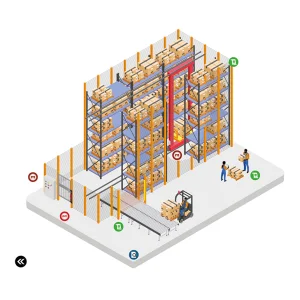
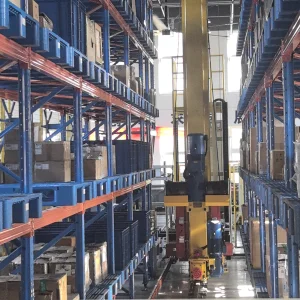
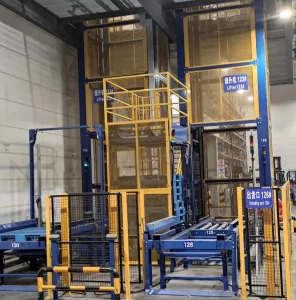
Automated Storage and Retrieval Systems (ASRS) combined with smart radio shuttles allow high-density deep lane storage. By utilizing computerized cranes and rail-guided shuttles, companies eliminate wide forklift aisles, maximizing vertical space utilization up to 80% compared to traditional racking.
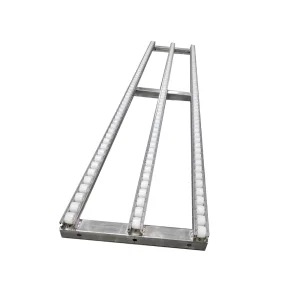
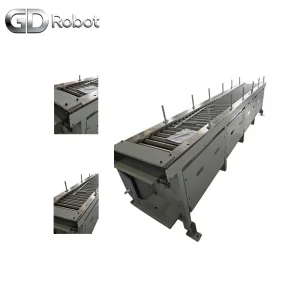
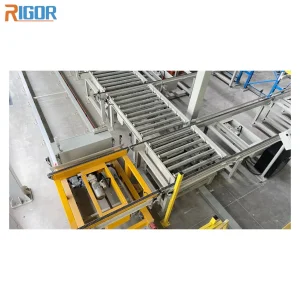
From gravity-fed carton flow racks to high-load motorized roller conveyor lines (RGV systems), high-speed sortation mechanisms are vital. They systematically route products, packaging materials, and pallets across the warehouse floor, reducing manual handling and transit times to near-zero.
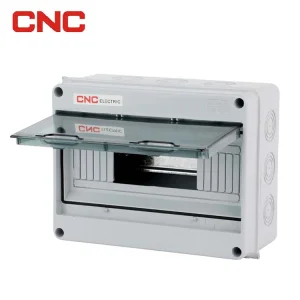
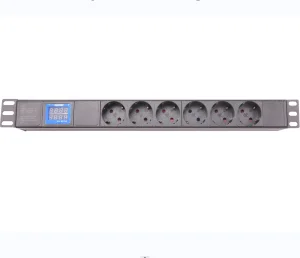
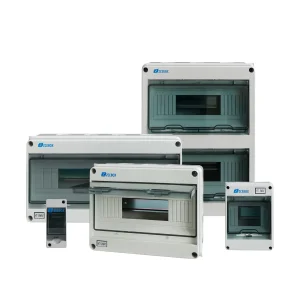
Programmable Logic Controllers (PLCs) combined with reliable surface-type MCB panels, aluminum alloy PDUs, and variable frequency drives coordinate the mechanical movements of motors, sensors, and actuators. This physical network operates in real-time coordination with high-level Warehouse Control Systems (WCS).
The concentration of advanced raw material processing, custom tooling, and electronic component manufacturing in China creates a unique operational ecosystem. At the center of this ecosystem is Shenzhen, which offers logistical and engineering flexibility that is difficult to replicate elsewhere.
By positioning manufacturing centers in Shenzhen, companies like JK Logistics capitalize on a robust technology industrial cluster. This strategic localization allows for high capital investment in Research & Development. It enables the incorporation of intelligent control technologies, data-driven automation, and flexible system integration into warehousing solutions.
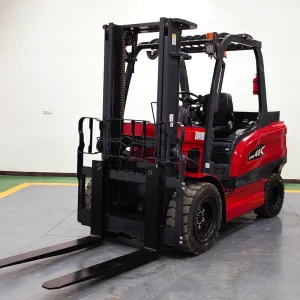
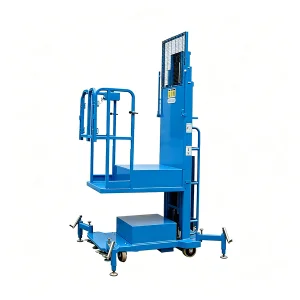
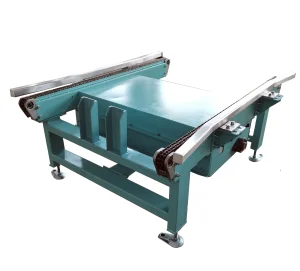
Furthermore, the domestic tooling ecosystem reduces the cost profile of heavy-duty transport tools, electric pallet movers, hydraulic order pickers, and modular chain conveyors. These cost efficiencies are passed directly to international end-users, permitting small and medium enterprises (SMEs) to purchase industrial-grade ASRS technology at highly competitive price points.
Ensuring cross-border operational consistency, strict structural safety, and long-term field support.
Industrial machinery must conform to regional standards. High-tier conveyor systems are engineered with CE, UL, and RoHS compliance. Electronic components like distribution boxes and power distribution units feature IP65 protection, flame resistance, and high-load brass components, meeting rigorous EU and North American standards.
Global operations require prompt engineering support. Modern manufacturers maintain remote diagnostic capabilities, utilizing IoT-connected PLCs to troubleshoot sorting lines from offsite hubs. They partner with localized maintenance service companies to provide on-site technical assistance, preventative maintenance schedules, and rapid spare-parts deployment.
System configurations must adapt as businesses grow. Solutions are structured with modular chain conveyors, scalable conveyor roller segments, and adjustable carton flow racks. This plug-and-play modularity ensures components can be expanded, reconfigured, or relocated with minimal disruption to existing facilities.
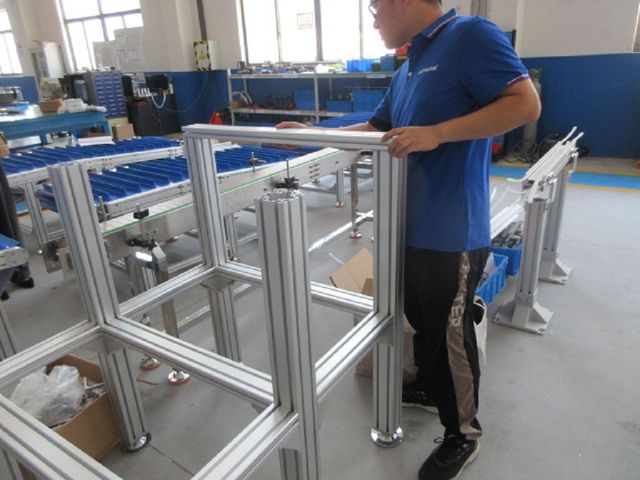
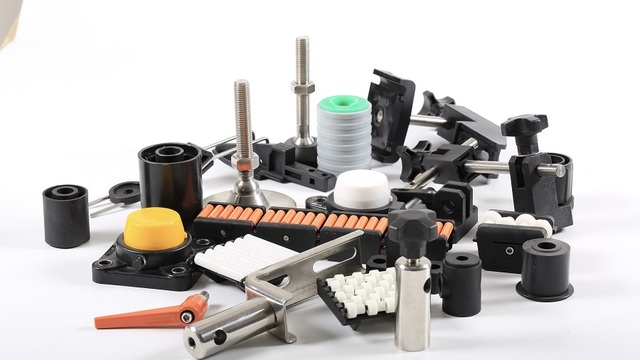
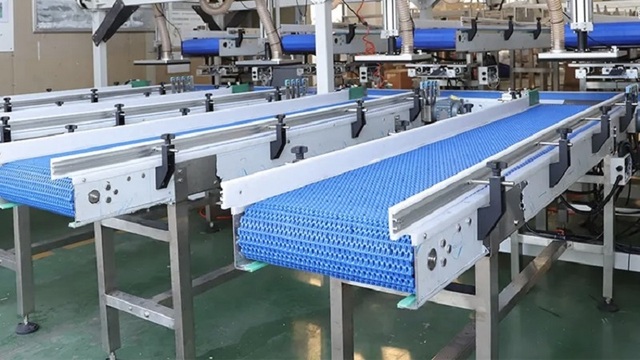
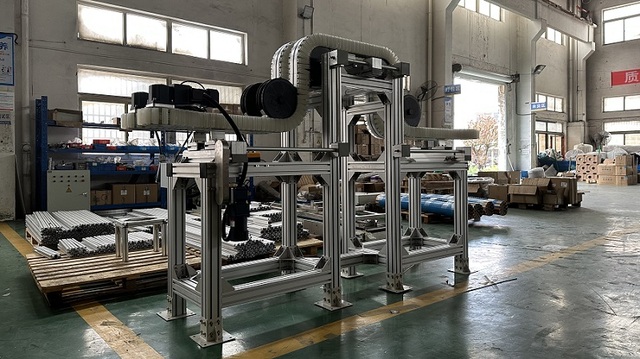
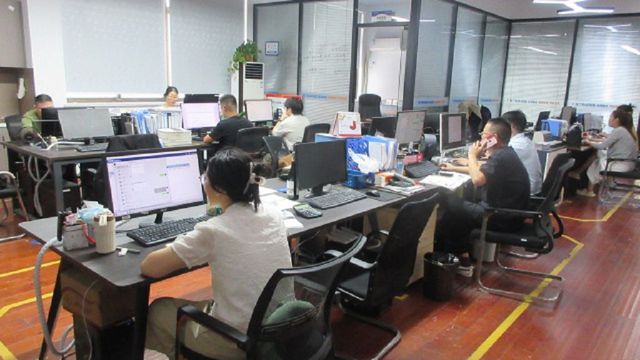
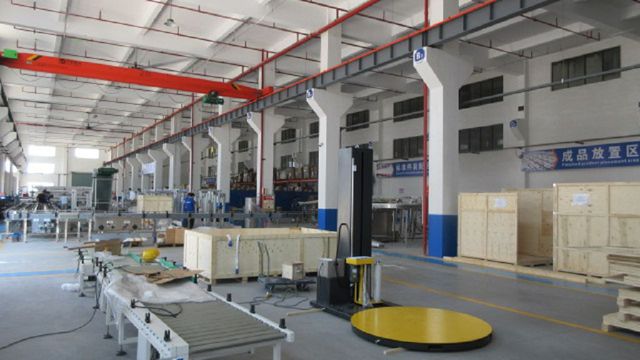
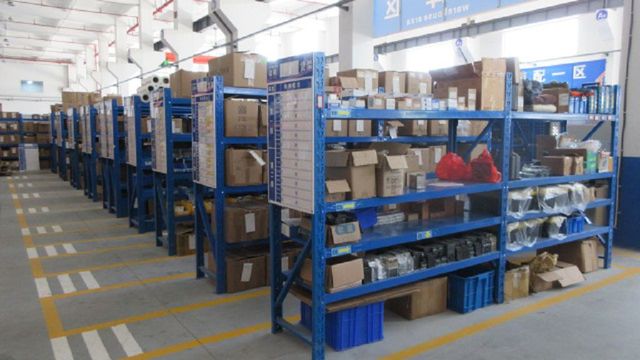
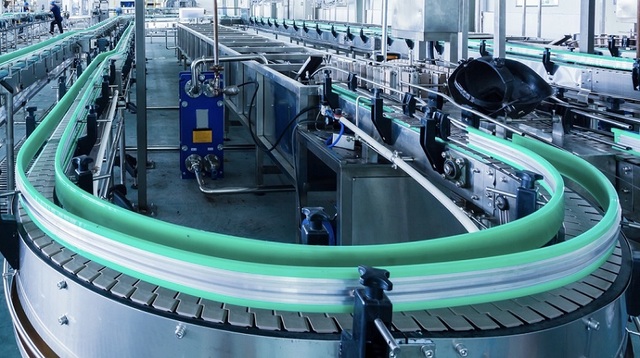
A visual insight into the advanced production quality, structural testing, and manufacturing setups of our industrial logistics solutions.

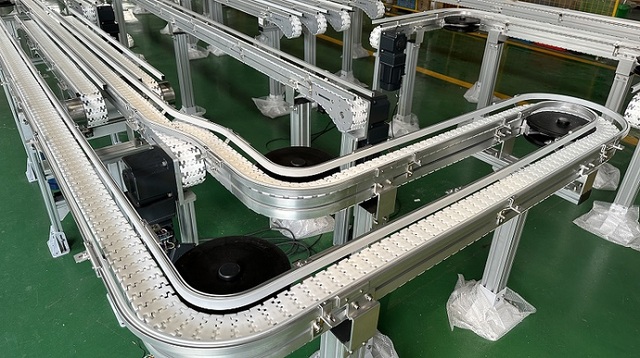
Key financial and technical metrics that corporate buyers evaluate during automated warehouse tenders.
When global companies source logistics automation systems, they evaluate indicators beyond mechanical speed. Key decision criteria include:
Implementing automated conveyor lines and ASRS structures leads to clear operational improvements:
Tailoring automation technology to the strict operational and temperature conditions of specific industries.
Pharmaceutical cold chain logistics require temperature compliance and zero-touch handling. Integrated ASRS radio shuttle systems work down to -25°C, ensuring sensitive vaccines and biological medicines remain intact and are systematically tracked from storage to shipment.
High-volume e-commerce relies on picking accuracy and speed. High-performance cross-belt sorting systems, gravity-fed carton flow racks, and electric order pickers allow logistics centers to fulfill same-day delivery promises for thousands of SKUs daily.
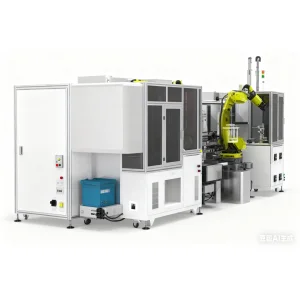
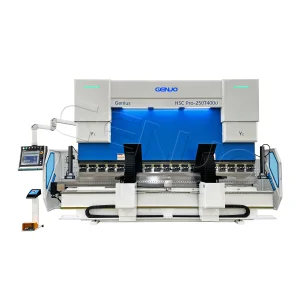
Modern factories require precise delivery of parts to production lines. Heavy-duty pallet conveying lines, robotic bending cells, and automated press brakes streamline manufacturing sequences, connecting the factory floor with back-end raw material storage.
The next frontier: Artificial Intelligence, Autonomous Mobile Robots (AMRs), and Green Logistics.
Modern logistics is shifting from fixed conveyor structures to dynamic, autonomous systems. The integration of Artificial Intelligence (AI) and machine learning algorithms allows Warehouse Control Systems (WCS) to forecast order volumes and dynamically adjust conveyor line speeds, optimizing energy usage.
Additionally, Autonomous Mobile Robots (AMRs) and AGVs (Automated Guided Vehicles) are operating alongside traditional ASRS installations. By combining AMR mobility with the high vertical density of ASRS, companies can design flexible storage layouts that easily adapt to changing facility workflows.
Sustainability is also increasingly important. Forward-thinking manufacturers are incorporating regenerative braking technologies into ASRS crane structures and conveyor motor controllers. These systems capture excess kinetic energy and convert it back into electrical power, lowering the facility's carbon footprint.
High-resolution industrial cameras and machine vision algorithms automate sorting and identify product packaging damage, reducing human sorting error rates to near zero.
Multi-directional shuttles travel on X, Y, and Z axes without relying on rigid conveyor belts, providing resilient sorting paths if a single mechanical section requires maintenance.
Variable-frequency drives and lightweight high-tensile alloys reduce overall system mass, yielding energy savings of up to 30% during constant-operation cycles.
Expert insights on automated inventory systems, global supply chain considerations, and system maintenance.
Explore heavy-duty conveyors, distribution components, electric pallet jacks, and automated bending cells.
 JK Logistics