In the era of Industry 4.0, dock management has evolved from a simple loading bay into the digital nerve center of the warehouse. Globally, the demand for CE-certified dock solutions is surging at a CAGR of 12.5%, driven by the need for synchronized throughput and safety compliance in EU and North American markets.
Modern automated dock solutions reduce truck turnaround time by up to 45%. By integrating IoT sensors and real-time scheduling, manufacturers can eliminate the "bottleneck effect" that often occurs at the interface between yard and warehouse.
Safety is non-negotiable. CE Certification ensures that every dock leveler, vehicle restraint, and shelter meets rigorous European health, safety, and environmental protection standards, mitigating legal risks for exporters and operators alike.
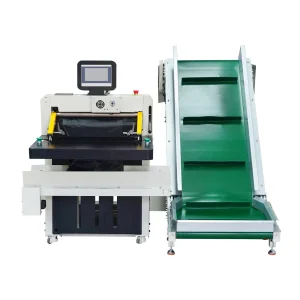
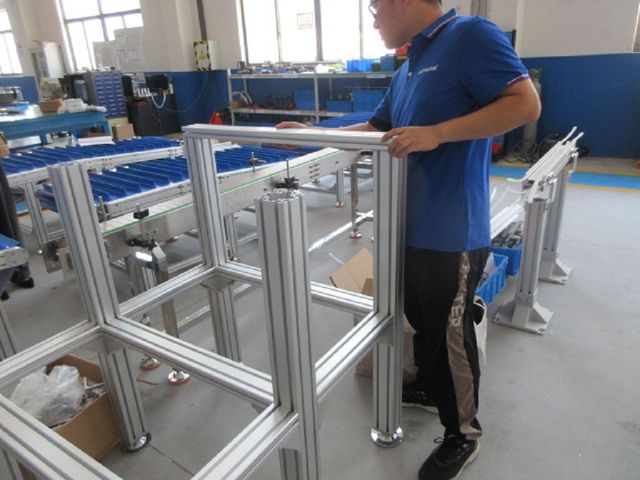
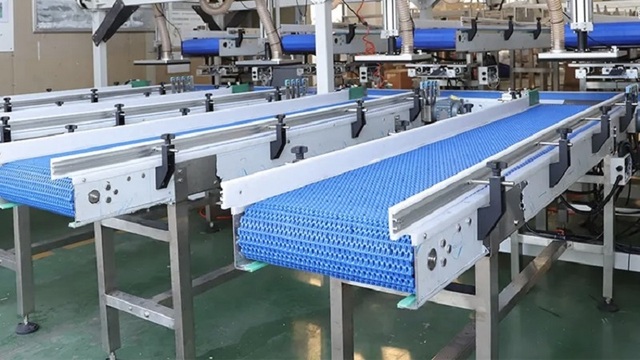
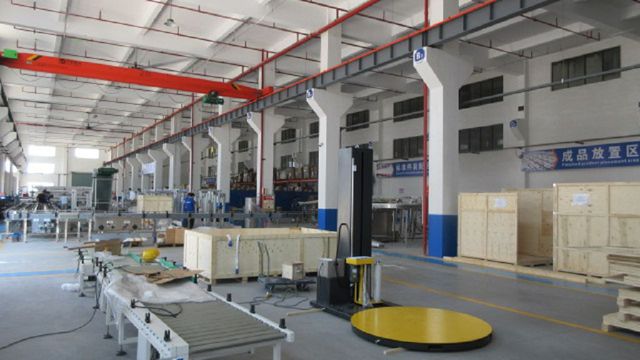
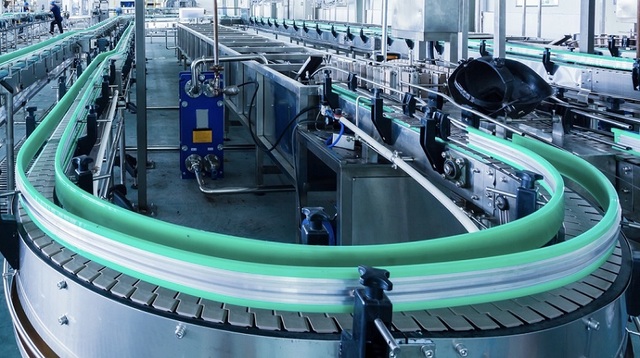
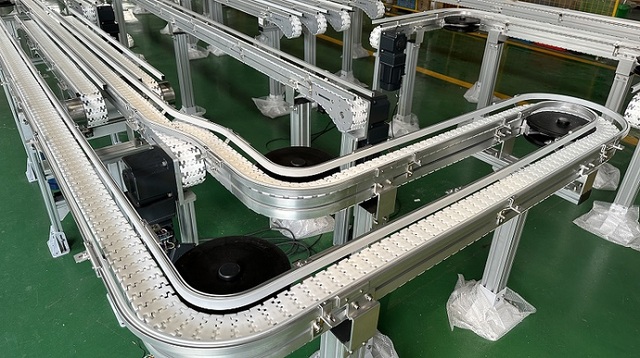
Shenzhen JK Logistics Co., Ltd. is a professional Warehouse Conveyor Systems Manufacturer specializing in material handling, sorting systems, and logistics automation solutions for modern warehouses, distribution centers, and industrial facilities. Based in Shenzhen, China, the company focuses on the development and production of intelligent automation equipment designed to improve operational efficiency, optimize material flow, and support the growing demands of global supply chains.
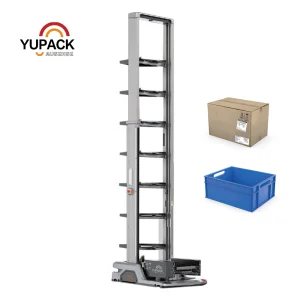
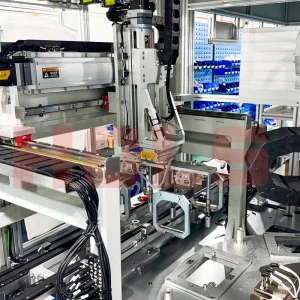
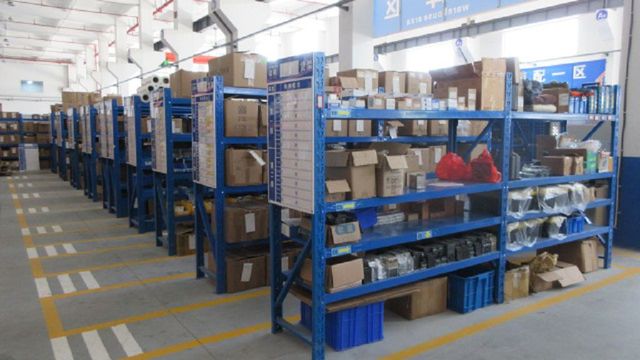
With extensive experience in warehouse and logistics automation, JK Logistics provides integrated solutions covering material handling systems, warehouse conveying equipment, automated sorting technologies, order fulfillment automation, pallet handling solutions, distribution center infrastructure, and smart logistics integration. These solutions are widely used in e-commerce fulfillment centers, retail distribution networks, third-party logistics operations, manufacturing facilities, and parcel processing hubs.
The company is committed to delivering reliable, scalable, and customized automation solutions that address the challenges of modern warehousing. Its engineering team collaborates closely with customers to analyze operational requirements, warehouse layouts, throughput objectives, and future expansion plans. By combining automation technology with practical logistics expertise, JK Logistics develops systems that improve productivity, reduce manual handling, enhance accuracy, and streamline warehouse operations.
Equipped with advanced manufacturing capabilities and comprehensive quality management processes, the company maintains strict standards throughout design, production, testing, and installation. Continuous investment in research and development enables JK Logistics to incorporate intelligent control technologies, data-driven automation, and flexible system integration into its solutions.
Serving customers across Asia, Europe, North America, South America, the Middle East, and other international markets, Shenzhen JK Logistics Co., Ltd. is dedicated to providing efficient warehouse conveyor systems and logistics automation solutions that help businesses improve operational performance, increase supply chain efficiency, and adapt to the evolving requirements of modern distribution and fulfillment environments.


Implementation of predictive maintenance algorithms and bay-level occupancy sensors to optimize dock scheduling dynamically.
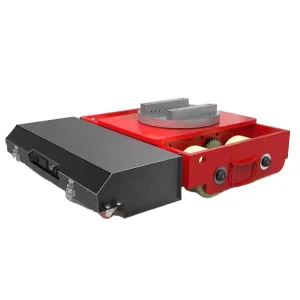
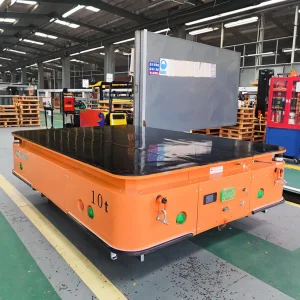
Collaborative integration between AGVs (like the MRT Pallet Piggyback) and automated dock levelers for a seamless, human-free loading experience.
Total virtualization of the dock environment, allowing global managers to simulate and optimize loading patterns in a 3D digital twin before execution.
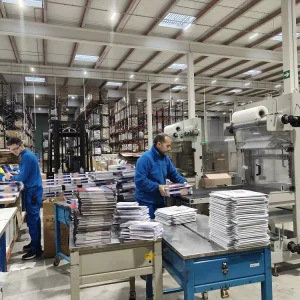
Customizing high-performance logistics for international fulfillment and return management in Madrid and Barcelona regional ports.
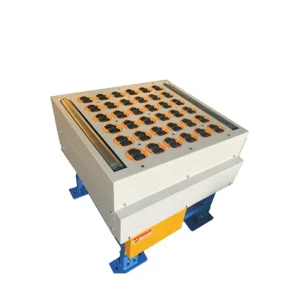
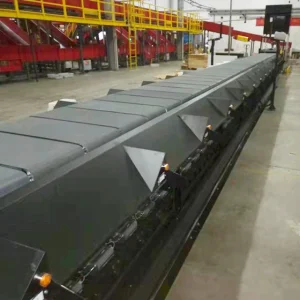
Large-scale cross-belt sorters and tote shuttles to handle the high throughput required for Black Friday and peak retail seasons.
Compact AGV solutions for space-constrained manufacturing facilities in Singapore and Vietnam, optimizing inter-facility material handling.
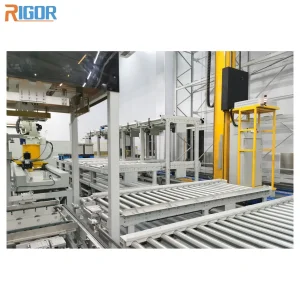
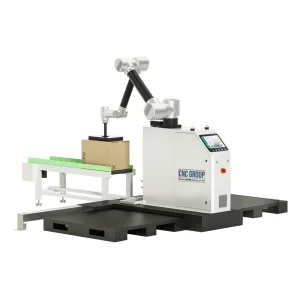
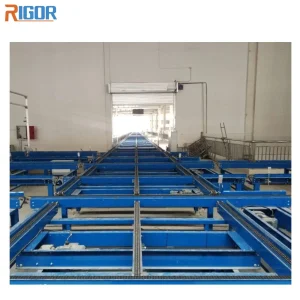
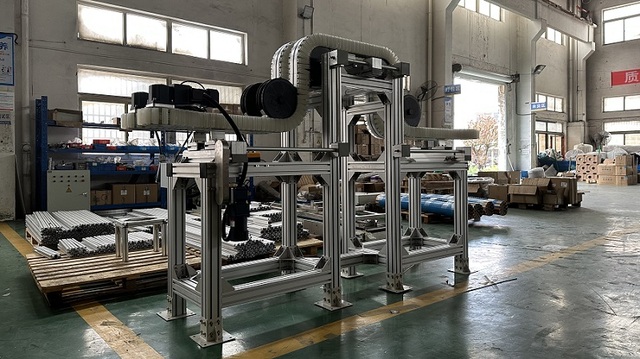
High-capacity palletizing robots and heavy-duty roller conveyors for the automotive and solenoid valve manufacturing sectors.
CE certification serves as a "passport" for the European market, signifying that the product complies with strict EU safety directives. It guarantees that the equipment has undergone rigorous testing for structural integrity and operator safety.
Integration is achieved through a Warehouse Management System (WMS). Sorters pre-stage parcels based on their outbound dock assignment, ensuring that the right goods are at the right bay exactly when the truck arrives.
Yes, our MRT Pallet Piggyback AGV robots are designed with a lithium battery and laser SLAM navigation, supporting load capacities up to 20 tons for heavy-duty material handling applications.
We recommend a predictive maintenance schedule using integrated sensors that monitor vibration, temperature, and motor load to prevent downtime before a failure occurs.
Absolutely. Our modular design allows for "plug-and-play" automation, meaning you can start with a single line and expand as your business grows without replacing the entire infrastructure.
Most clients see a full return on investment within 18 to 24 months through reduced labor costs, minimized detention fees, and significant decreases in product damage during handling.
 JK Logistics