Warehouse automation is transforming the way goods are handled and processed. So, what is warehouse automation and how does it work? This process harnesses technology to streamline operations. It involves using various automated systems to increase efficiency and reduce human error. These systems can include robotics, conveyor belts, and software solutions.
The rise of e-commerce has made automation crucial. Warehouses must adapt to meet increased demand. Automated systems can manage inventory, sort products, and fulfill orders more quickly than manual methods. However, implementing these systems isn't without challenges. Companies must invest in technology and training. The learning curve can be steep, and the initial costs may deter some businesses.
Despite these hurdles, many organizations find substantial benefits. Automated warehouses can operate around the clock. They reduce labor costs and improve order accuracy. Companies that embrace automation often see increased productivity. Yet, there are still aspects that require human intervention. Striking the right balance between technology and human roles is vital for success in warehouse operations.
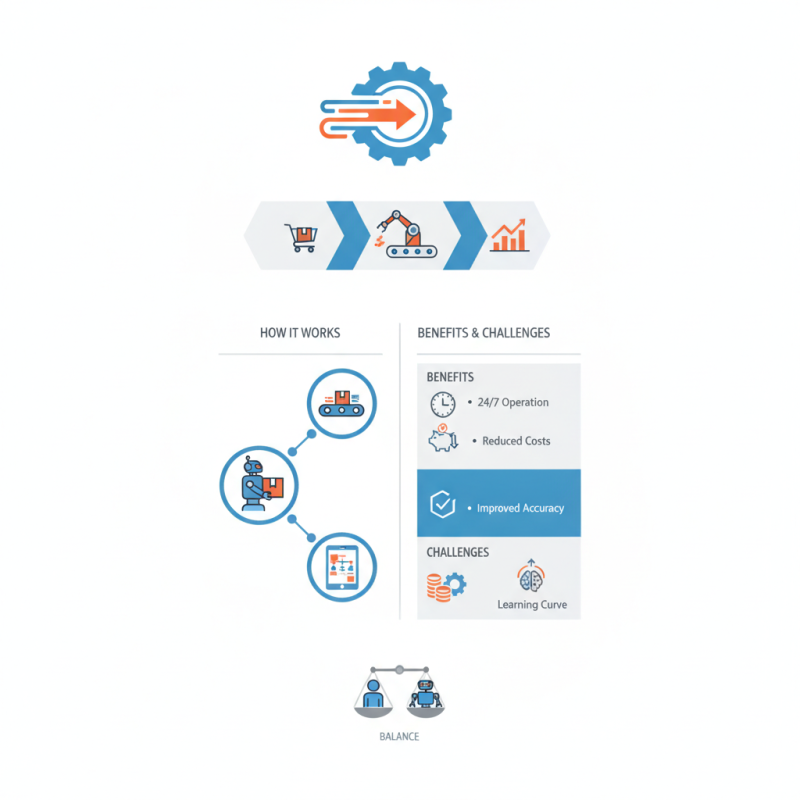
Warehouse automation is transforming logistics. It's a blend of technology and operational strategies. Understanding key concepts is vital for grasping its significance.
One core aspect of warehouse automation is the use of robotics. Automated guided vehicles (AGVs) can move goods efficiently. They reduce human error but may face limitations, like navigating complex layouts. Automation also involves warehouse management systems (WMS). These systems streamline operations but require skilled personnel for effective use. Improper configuration can lead to inefficiencies.
Another important concept is inventory control. Automation tools provide real-time data on stock levels. This helps prevent overstocking and stockouts. However, reliance on technology can sometimes create mistakes, such as data entry errors. Lastly, integrating automated systems can improve workflow, yet it necessitates ongoing training and adaptation. Without proper training, employees may struggle with new processes, highlighting the need for a balanced approach to implementation.
Warehouse automation is transforming logistics with various technologies. Understanding these types is crucial to optimizing operations.
One prevalent technology is Automated Guided Vehicles (AGVs). AGVs navigate through the warehouse, transporting goods without human intervention. They enhance efficiency and reduce labor costs. Another key technology is the Warehouse Management System (WMS). A robust WMS streamlines inventory control, improving accuracy in order fulfillment.
Tips: Investing in staff training for automation technologies boosts productivity. Encourage employees to share feedback. Implementing simple adjustments can lead to significant improvements.
Robotic arms in picking systems are also noteworthy. They can handle repetitive tasks, reducing the risk of injury. However, reliance on automation can lead to challenges. Maintenance requires careful planning. A lack of skilled technicians can cause disruptions.
Tips: Regularly review automation processes. Analyze performance data for continuous improvement. Having a contingency plan for downtime is essential to maintain workflow.
Warehouse automation has become a key player in modern supply chain efficiency. Implementing automation solutions can significantly reduce operational costs. These technologies streamline processes like inventory management and order fulfillment. When machines take over repetitive tasks, human workers can focus on more complex responsibilities. This shift leads to greater job satisfaction and productivity.
One notable benefit is improved accuracy. Automated systems minimize human error, ensuring that orders are picked and shipped correctly. This accuracy translates to enhanced customer satisfaction. Moreover, automation can lead to faster processing times. Products reach customers quickly, giving businesses a competitive edge. However, integrating new systems can pose challenges. Organizations must train staff effectively to adapt to these changes.
Additionally, automation enhances data visibility within warehouses. Real-time tracking helps managers make informed decisions. However, the initial investment can be daunting for smaller businesses. It requires careful consideration and planning. Despite these challenges, the long-term advantages often outweigh the obstacles. The key lies in balancing technology and human efforts to create a harmonious work environment.
Warehouse automation offers remarkable benefits, but it also presents unique challenges. One significant concern is the initial investment needed for technology. A considerable amount of capital goes into purchasing and integrating automated systems. Companies must weigh this cost against potential savings over time. Employees may also feel uncertain about job security. As machines take over repetitive tasks, workers could worry about their roles. Effective communication is crucial in addressing these fears.
Another challenge lies in system compatibility. Existing warehouse infrastructure may not seamlessly integrate with new automation technologies. Companies often face unexpected delays during implementation. Training staff to use these systems efficiently is vital. Many workers may require skill upgrades to interact with advanced machines. Concerns about data security also arise. Automated systems often handle sensitive information that must be protected against breaches.
Maintenance is an ongoing consideration. Automated systems can require regular updates and repairs. Downtime can disrupt processes, impacting productivity. Companies must plan for these interruptions. They should also evaluate their need for reliable maintenance support. These factors highlight the complexity of warehouse automation, requiring careful planning and consideration.
| Aspect | Description | Challenges | Considerations |
|---|---|---|---|
| Automation Types | Robotic systems, conveyor belts, automated storage | High initial investment, integration complexity | Scalability needs, system compatibility |
| Efficiency Gains | Increased speed in picking and packing, reduced human error | Training staff to adapt to technology | Continuous improvement processes |
| Data Analytics | Real-time tracking of inventory and shipments | Data security and privacy issues | Data management infrastructure |
| Maintenance | Regular updates and servicing of equipment | Downtime during maintenance | Predictive maintenance strategies |
| Future Trends | AI and machine learning integration | Keeping pace with rapid technological advancements | Long-term planning and investment |
Warehouse automation is evolving rapidly. The integration of advanced technologies reshapes how goods move and are processed. Robotics, AI, and IoT are at the forefront. These innovations enhance efficiency and reduce human error. Companies increasingly rely on automated systems to streamline operations. However, this transition is not flawless.
Future trends indicate a rise in collaborative robots. These machines work alongside humans, improving safety and productivity. With AI-driven analytics, warehouses can optimize inventory management. Predictive analytics also helps in forecasting demand. While these advancements boost efficiency, they bring new challenges. Workforce adaptation is crucial in this changing landscape. Employees may feel threatened by automation. It’s essential to provide reskilling opportunities.
Sustainability is another emerging focus. Eco-friendly practices in warehouse operations are gaining traction. Energy-efficient equipment and waste reduction strategies are important. However, businesses must also address the initial costs of implementing green technologies. Balancing profits with sustainable practices will test many companies. Automation offers substantial benefits, yet it requires thoughtful implementation to ensure long-term success.
: Warehouse automation reduces operational costs and improves efficiency. It streamlines inventory management and order fulfillment processes.
Automation allows workers to focus on complex tasks. This shift can increase job satisfaction and overall productivity.
Automated systems reduce human error, ensuring more accurate order processing. This accuracy leads to better customer satisfaction.
Initial investment costs can be high. There may also be concerns about job security among employees.
Effective training is crucial for staff to adapt to new systems. Many workers may need skill upgrades for advanced machines.
Robotics and AI enhance efficiency and reduce errors. They are key players in modernizing warehouse operations.
Yes, automated systems handle sensitive information. Protecting this data from breaches is a significant concern.
Businesses should consider eco-friendly practices. Energy-efficient equipment and waste reduction strategies are vital, but costs can be challenging.
Regular maintenance is essential to avoid downtime. Companies must plan for updates and repairs to maintain productivity.
The rise of collaborative robots and AI-driven analytics is expected. Businesses will need to adapt to these changes and provide reskilling.
Warehouse automation refers to the use of technology to streamline and enhance warehouse operations, improving efficiency and reducing manual labor. It encompasses various technologies, such as automated storage and retrieval systems, robotics, and artificial intelligence, which collectively enable faster and more accurate processing of inventory. The benefits of implementing warehouse automation solutions include increased accuracy, decreased operational costs, and improved safety for workers.
However, challenges such as integration with existing systems, high initial investment costs, and the need for employee training must be carefully considered. As businesses continue to seek ways to improve their logistics operations, future trends in warehouse automation are expected to focus on enhanced data analytics, the Internet of Things (IoT), and sustainability practices. Understanding what is warehouse automation and how it works is essential for companies looking to stay competitive in an increasingly automated industry.

JK Logistics